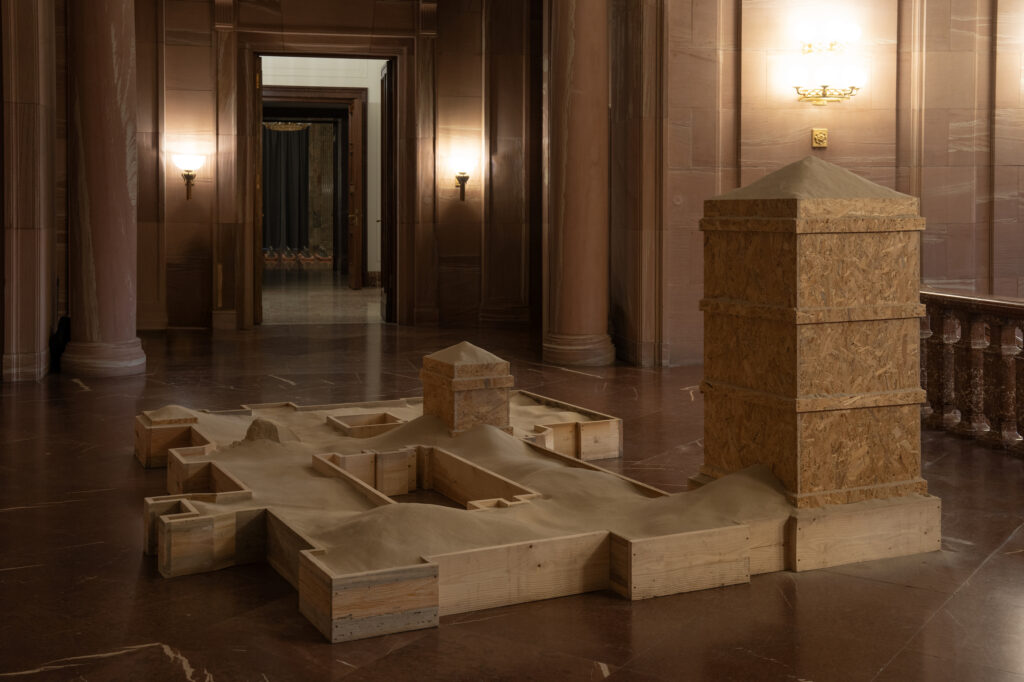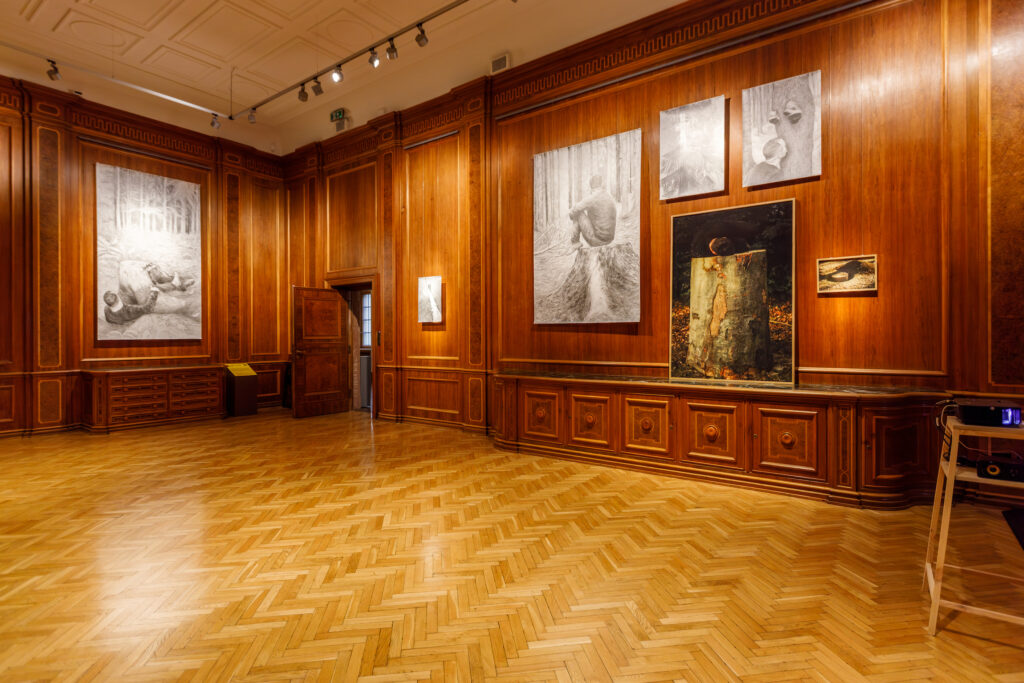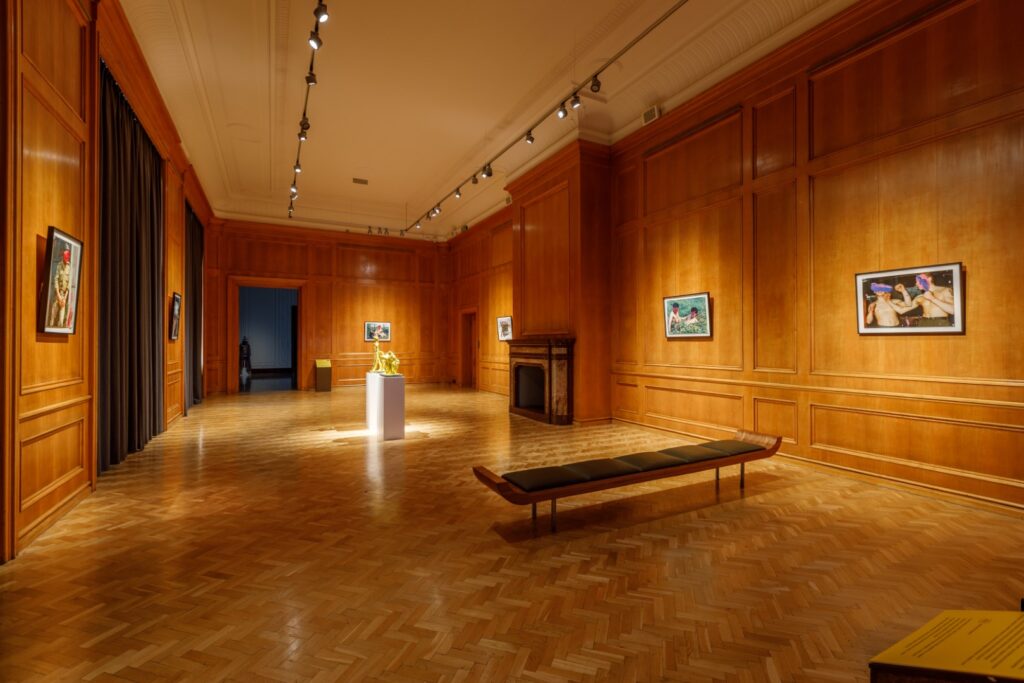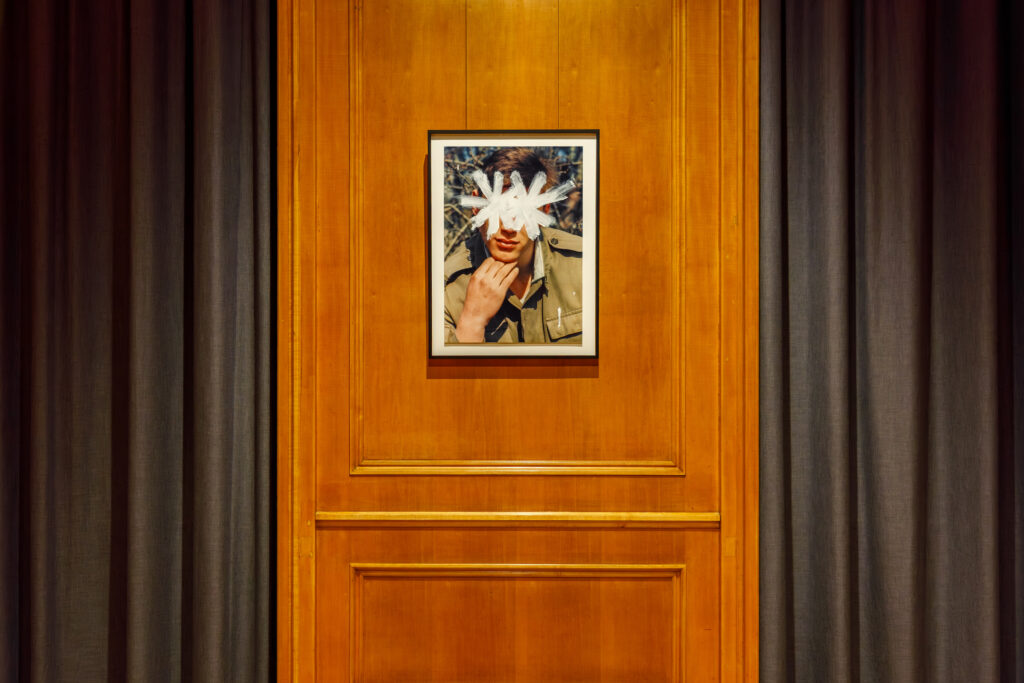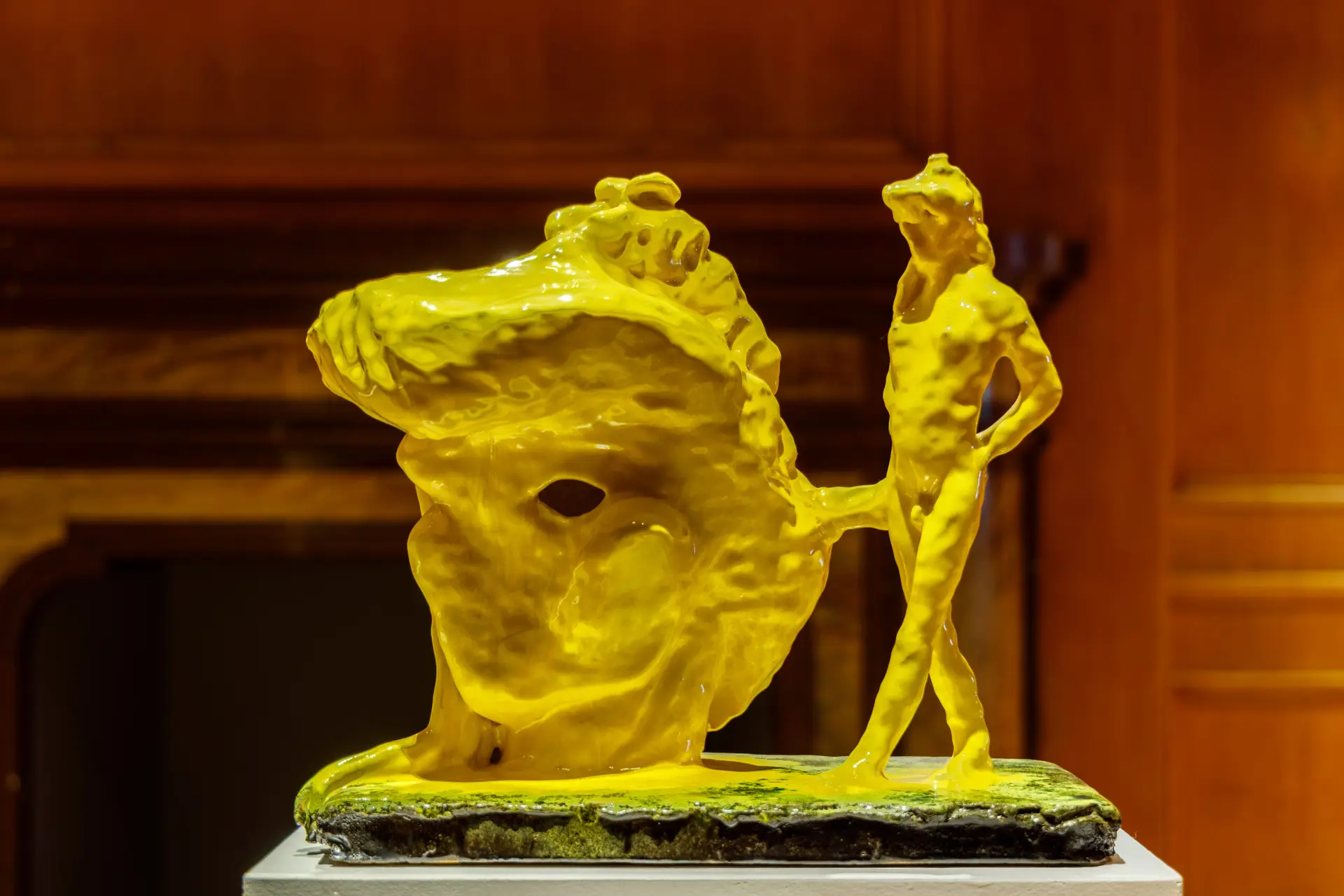
Artists: Ernest Borowski, Olaf Brzeski, Krystian Daszkowski, Arti Grabowski, Krzysztof Maniak, Dorota Nieznalska, Karol Radziszewski, Sonia Rammer, Aleksandra Ska, Magdalena Starska, Iza Tarasewicz, Sławomir Toman, Honza Zamojski
Title: The Lumberjack. Storieas about Masculinity
Curator: Przemysław Jędrowski

Stereotypical, toxic, sensitive.
What is masculinity today and how is it changing?
What are itsnarratives and social roles?
And do we even want to talk about it?
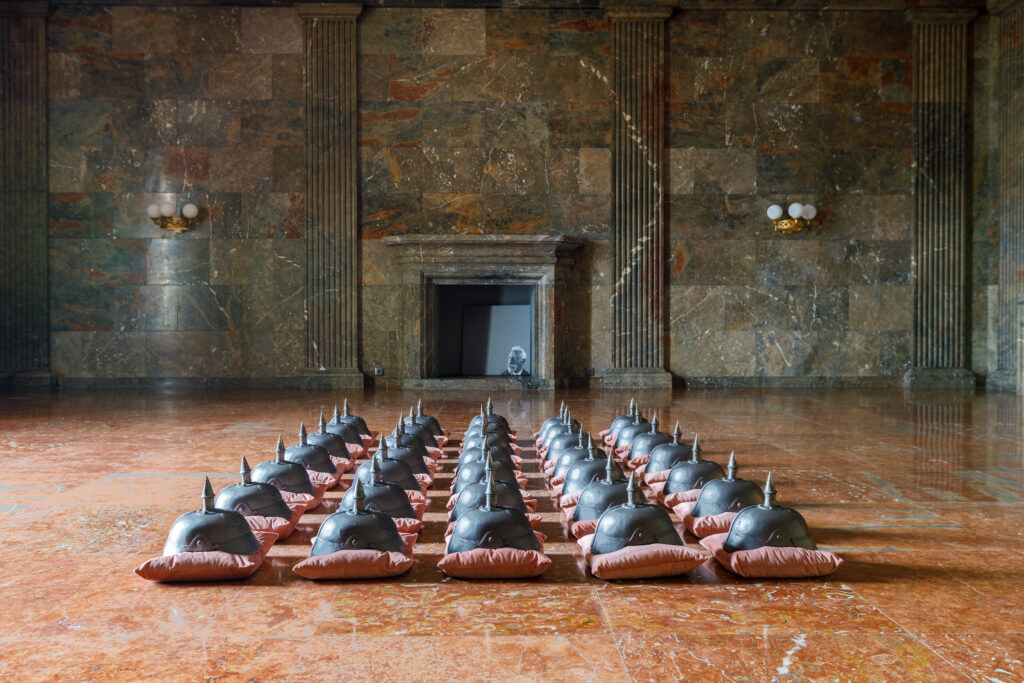
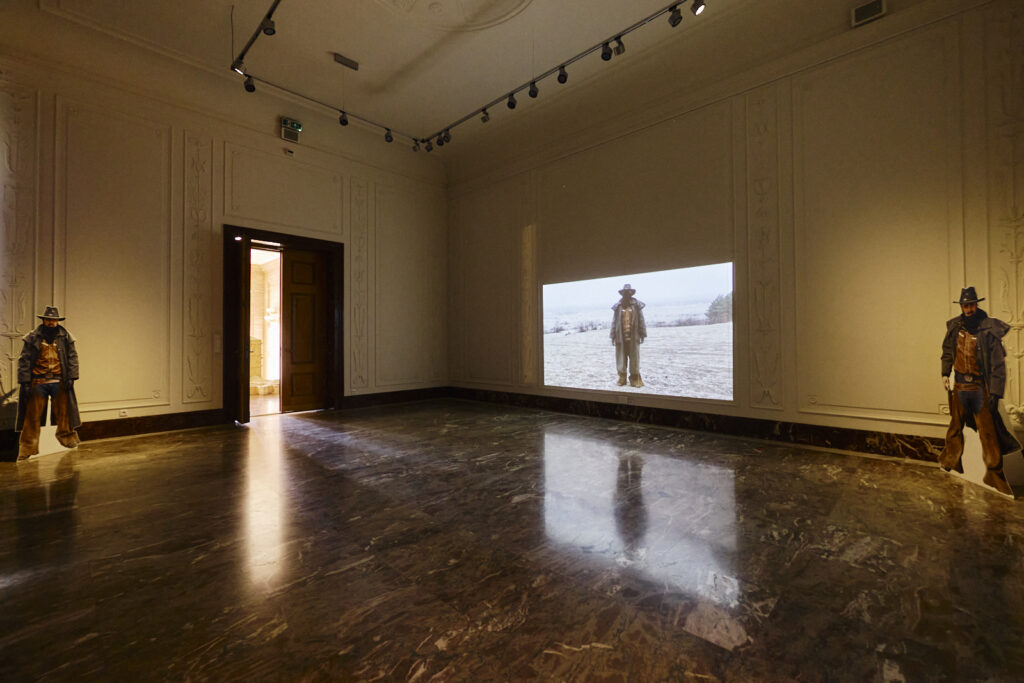
An attempt to answer these questions is „The Lumberjack” – an interdisciplinary artistic and socialproject that interprets various issues and narratives of masculinity. It combines contemporaryart and educational activities. Its idea is to look at various aspects of masculinity in the era ofboth its crisis and the return of political and cultural patterns. The works and artistic projectsvisualise post-masculinity in a transhumanist form, refer to male mythologies and confrontthe long life of stereotypes dating back to 19th-century social norms.
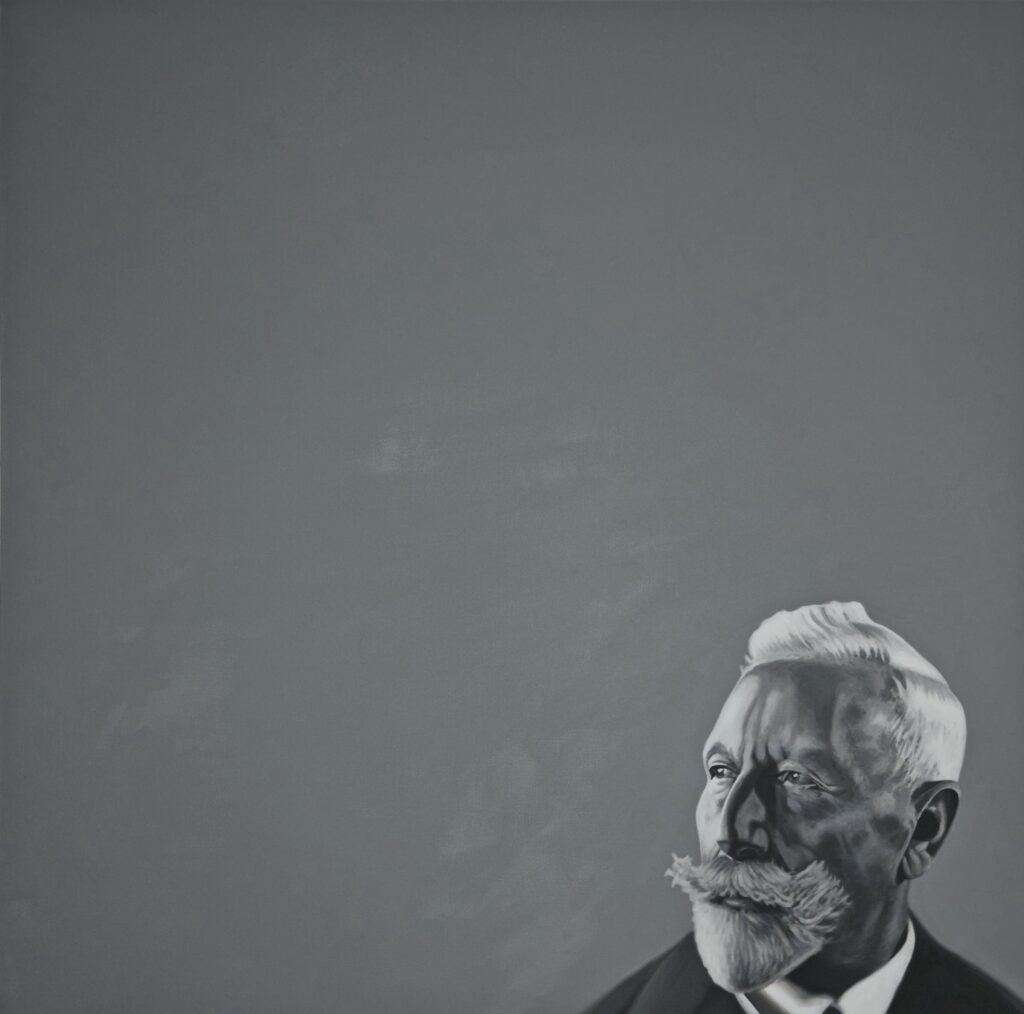
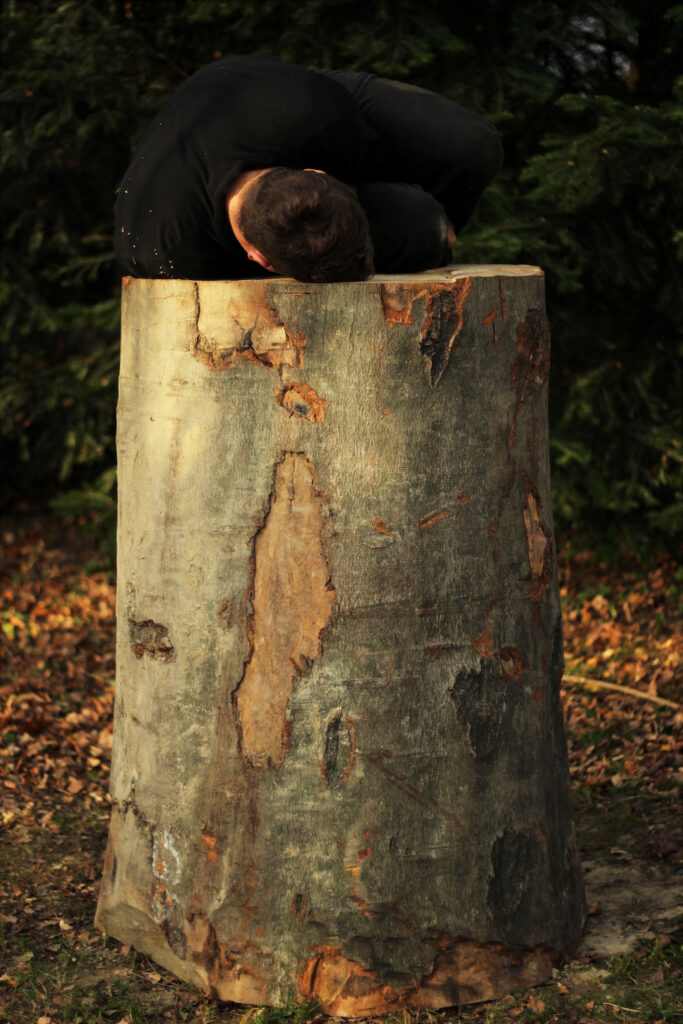
They reveal a newattitude towards nature and „dark ecology”, a discussion of the baggage of postcolonialpractices, a broad spectrum of gender identities and stories of power, conquest, andmilitarism. The starting point for these narratives is the era of Wilhelm II Hohenzollern(1859–1941), the creator of the Imperial Castle in Poznań. This era is sometimes referred toas the time of the „triumph of masculinity”. It also includes the personal story of the monarch– a disabled boy raised at the Prussian court, who became an egotistical ruler driven bycolonial complexes and one of the „godfathers” of the Great War. After its end andGermany’s defeat, he was forced to abdicate and leave the Reich. He ended up as a politicaland moral bankrupt in the estate of Doorn, in the northern Netherlands. There, William II wascalled the ‘limberjack of Doorn’ because he was cutting down trees in the surroundingforests with an axe.
Despite the paresis of his left hand, he took logging very seriously – forhim it was the last bastion of his masculinity and agency. By 1929, he had felled 20 000trees.The history and the figure of the emperor is a „skeleton in the closet” here an idea of apatriarchal world which, although anachronistic and discredited, still crawls out of that closet,returning in new wars and sociopolitical orders. This is an important context for the conceptof all the artists participating in the project. Their works, drawing on their life and artisticexperience, deal with the contemporary reinterpretation of masculinity and the reception ofits meaning.