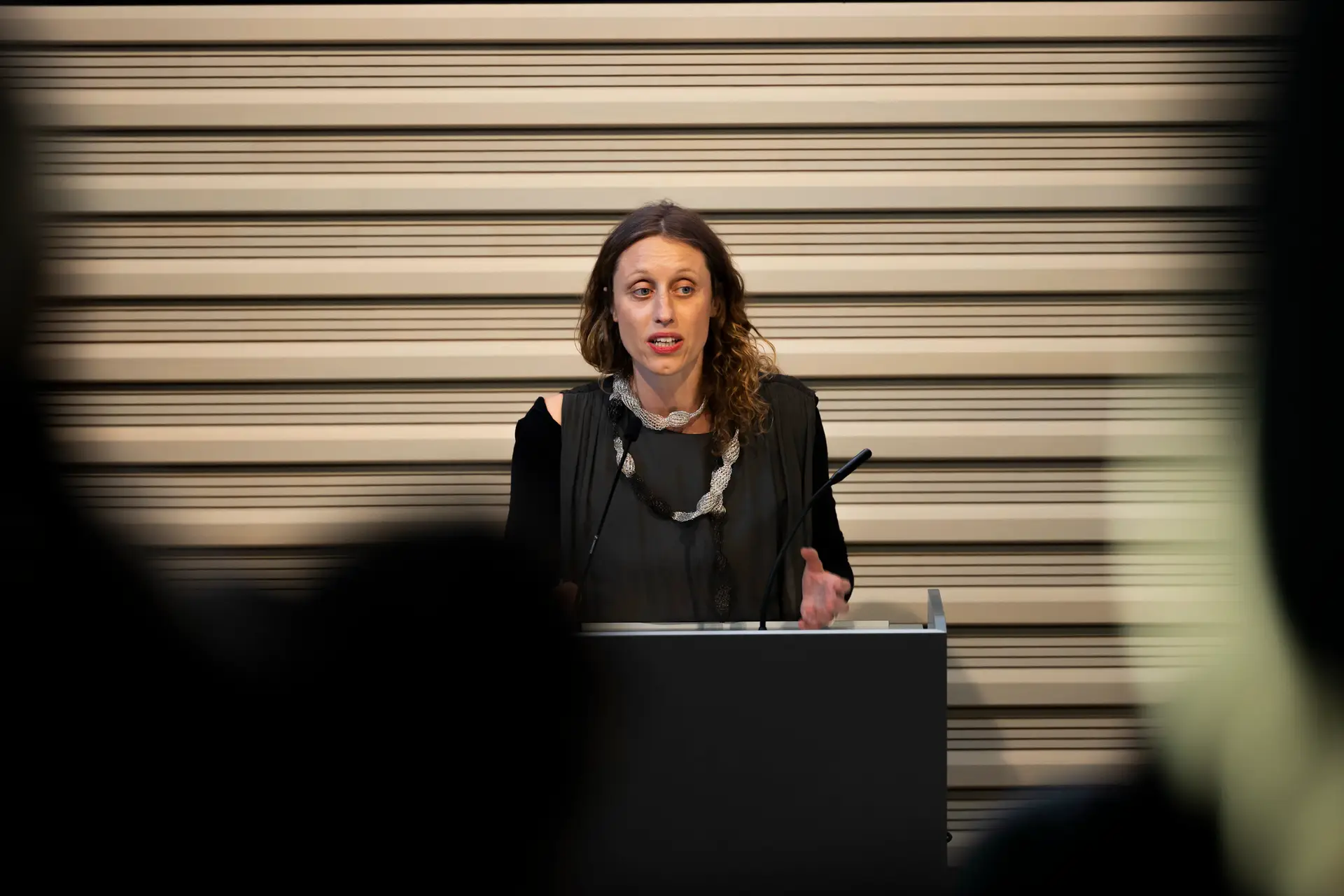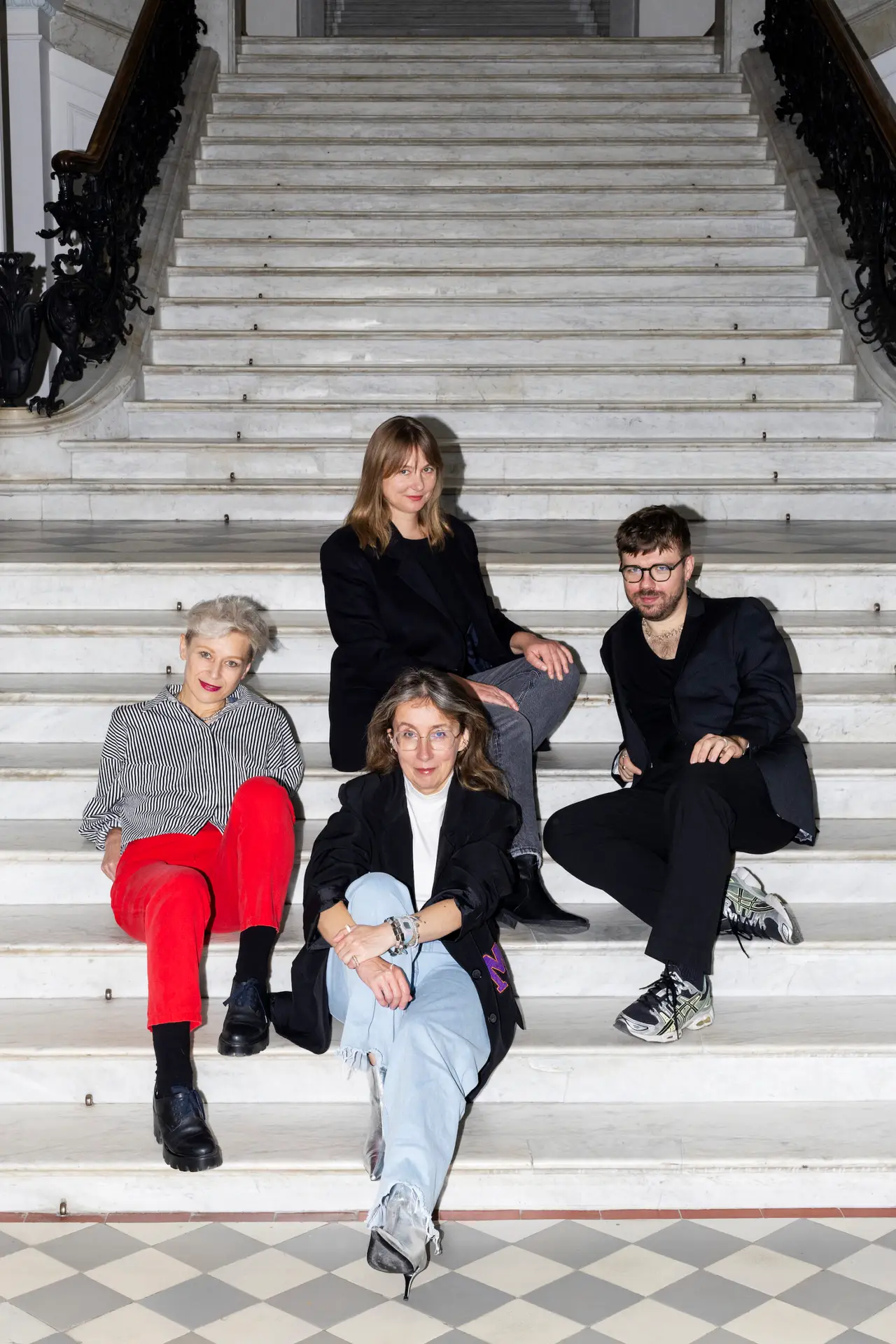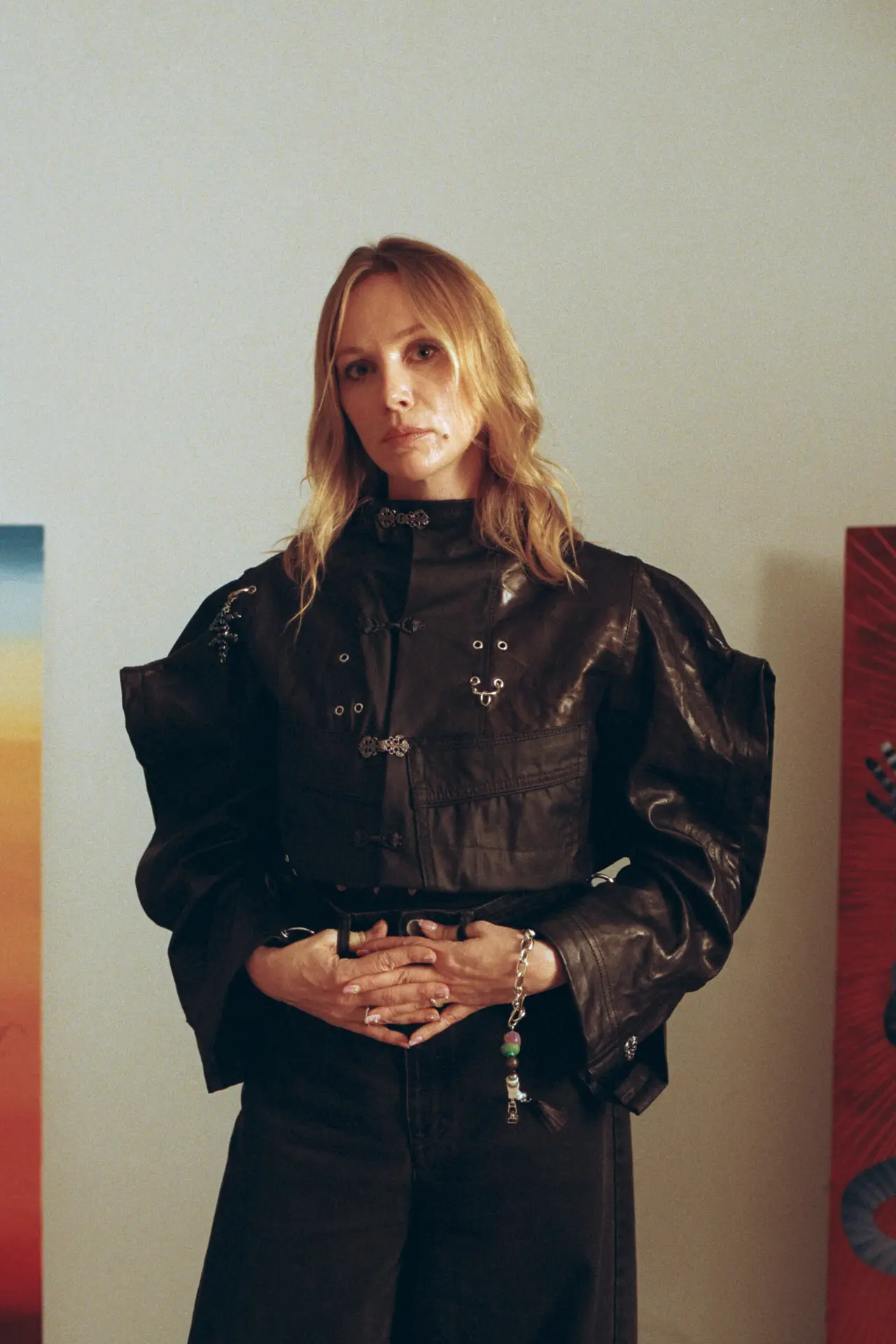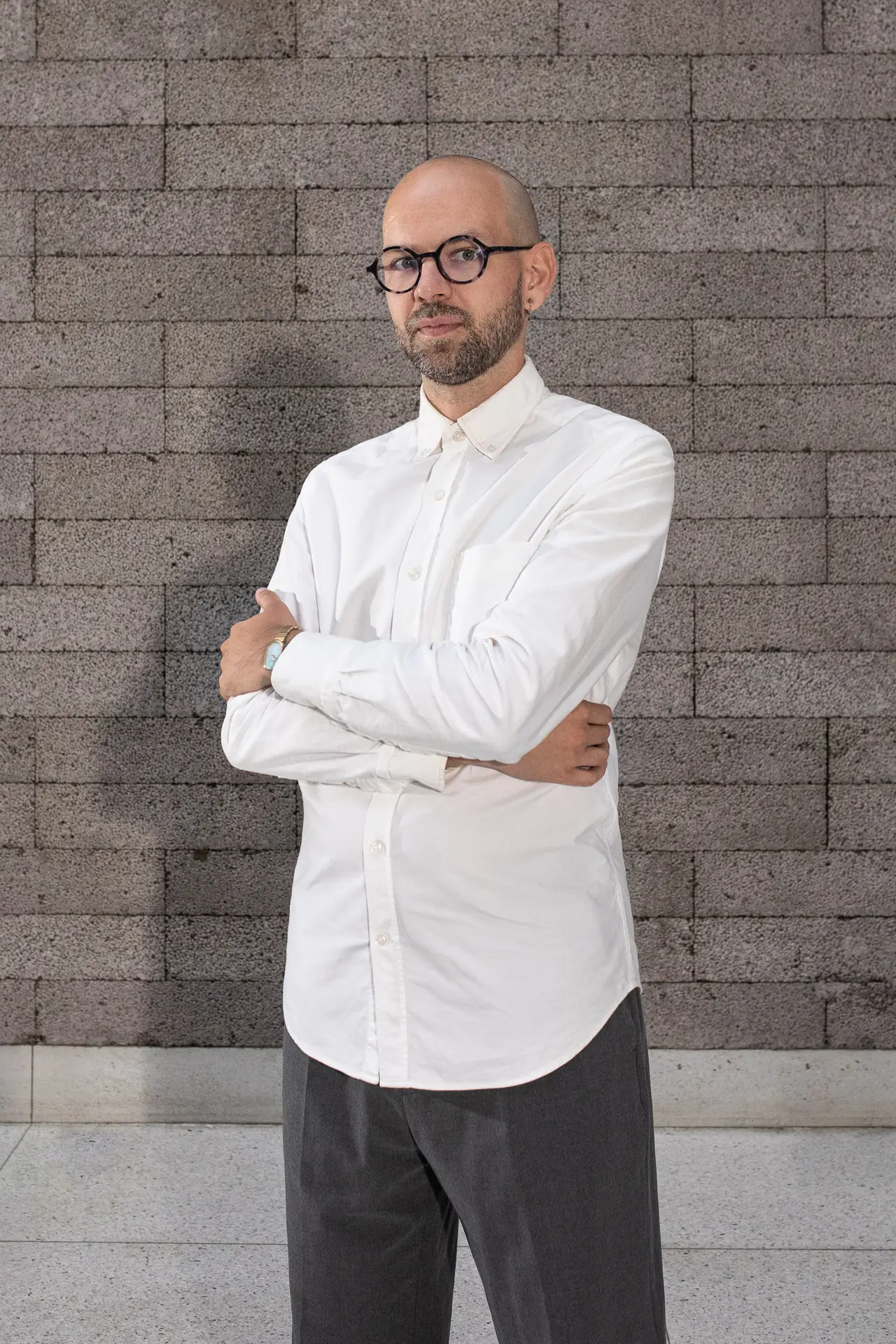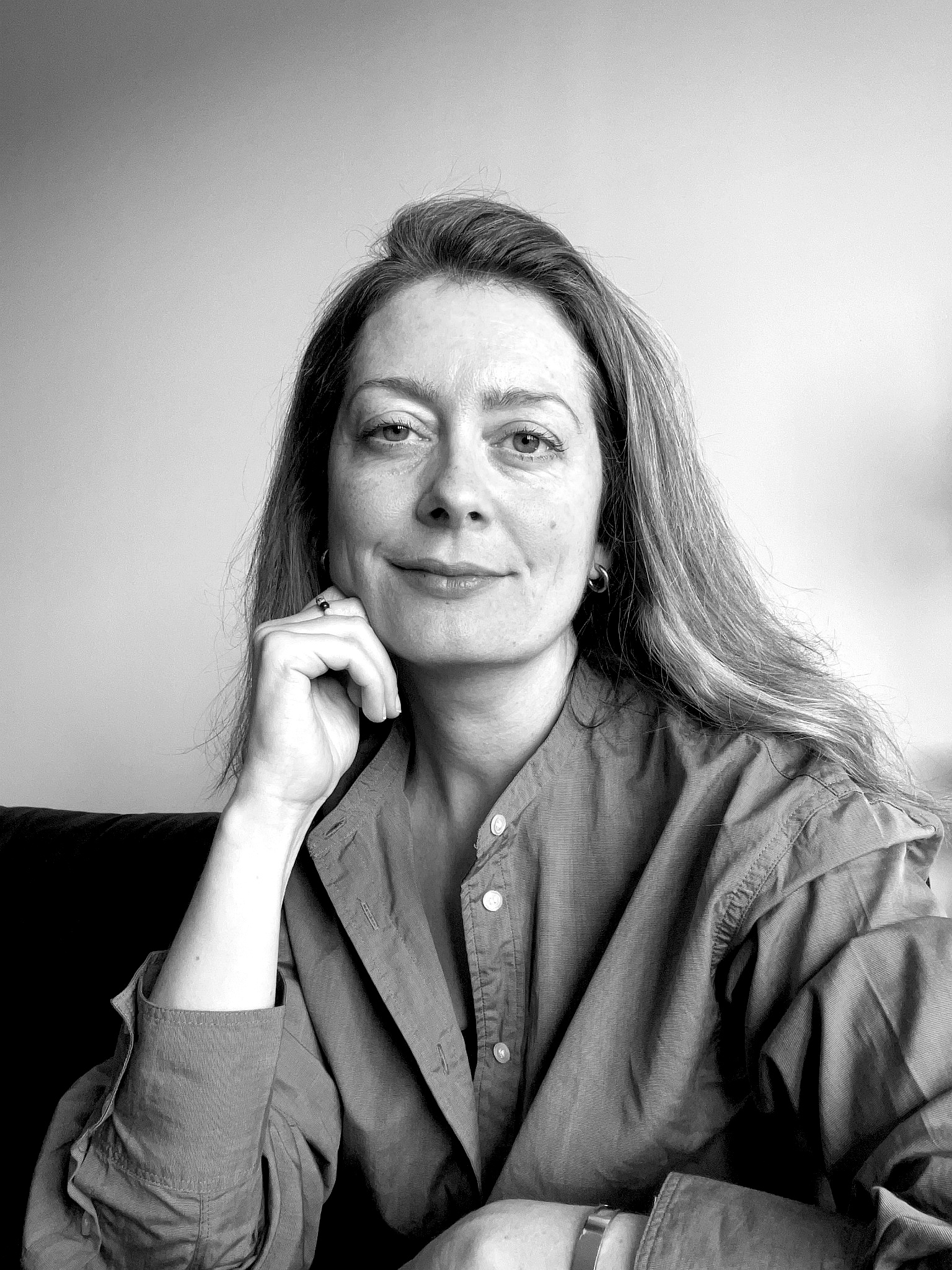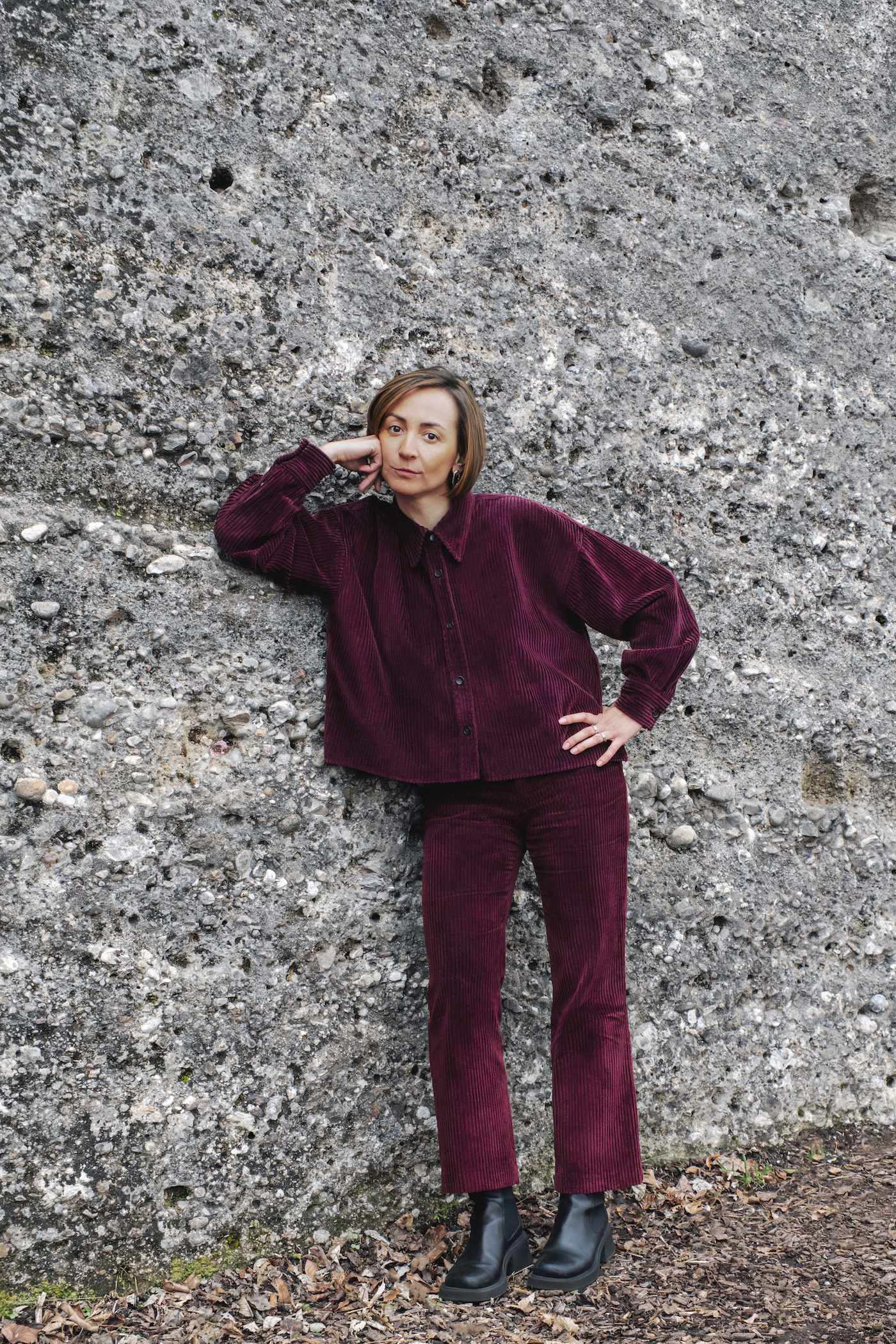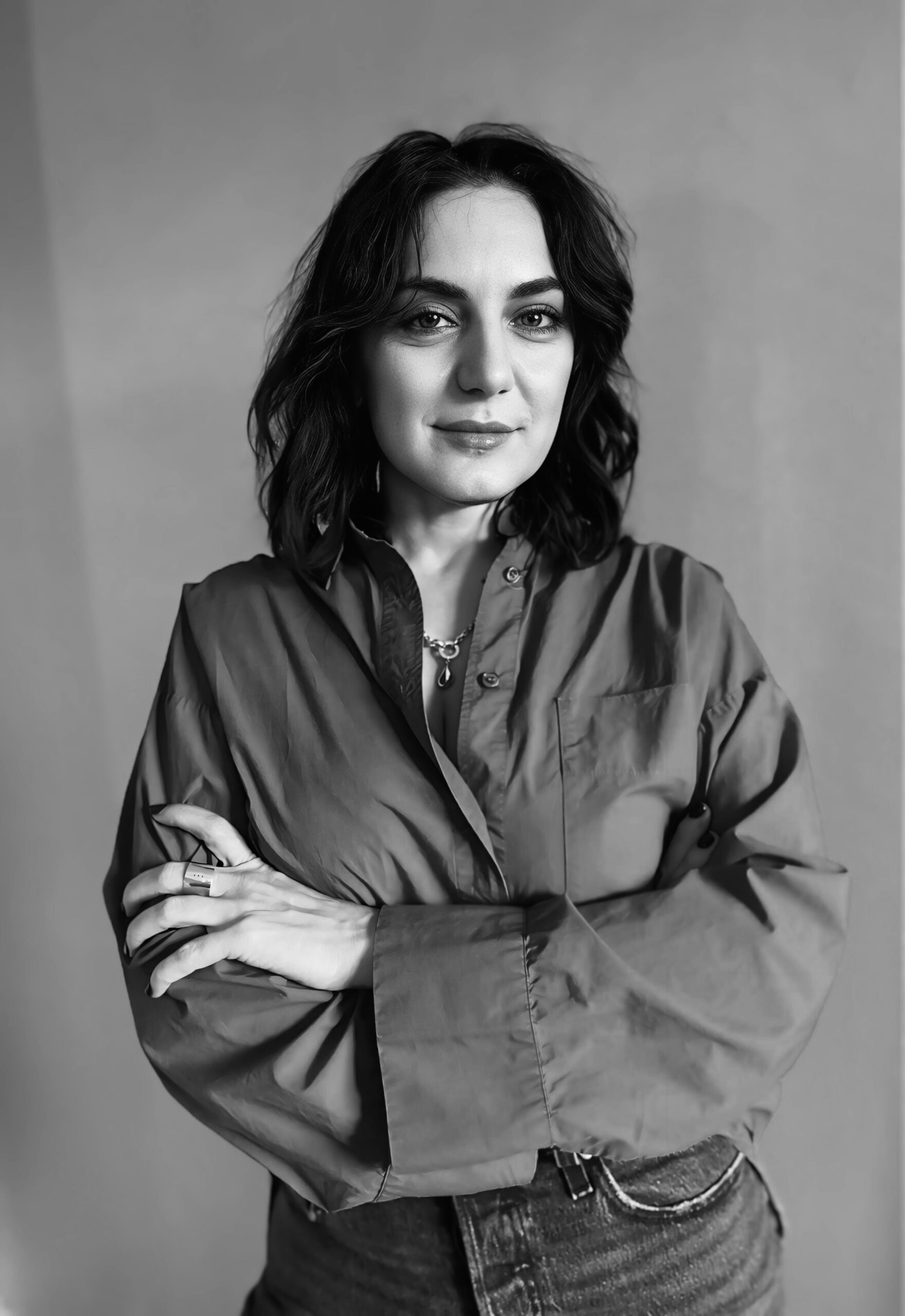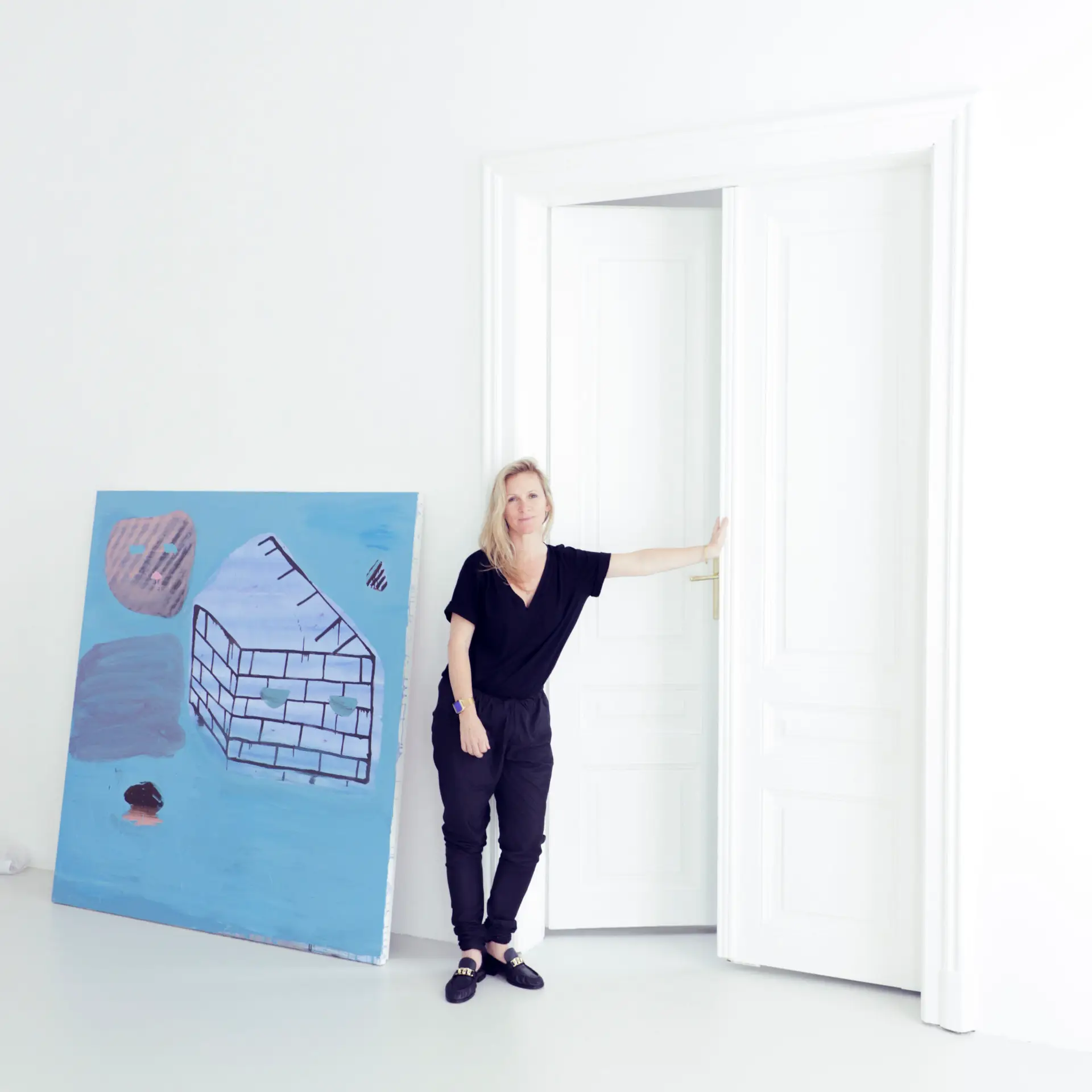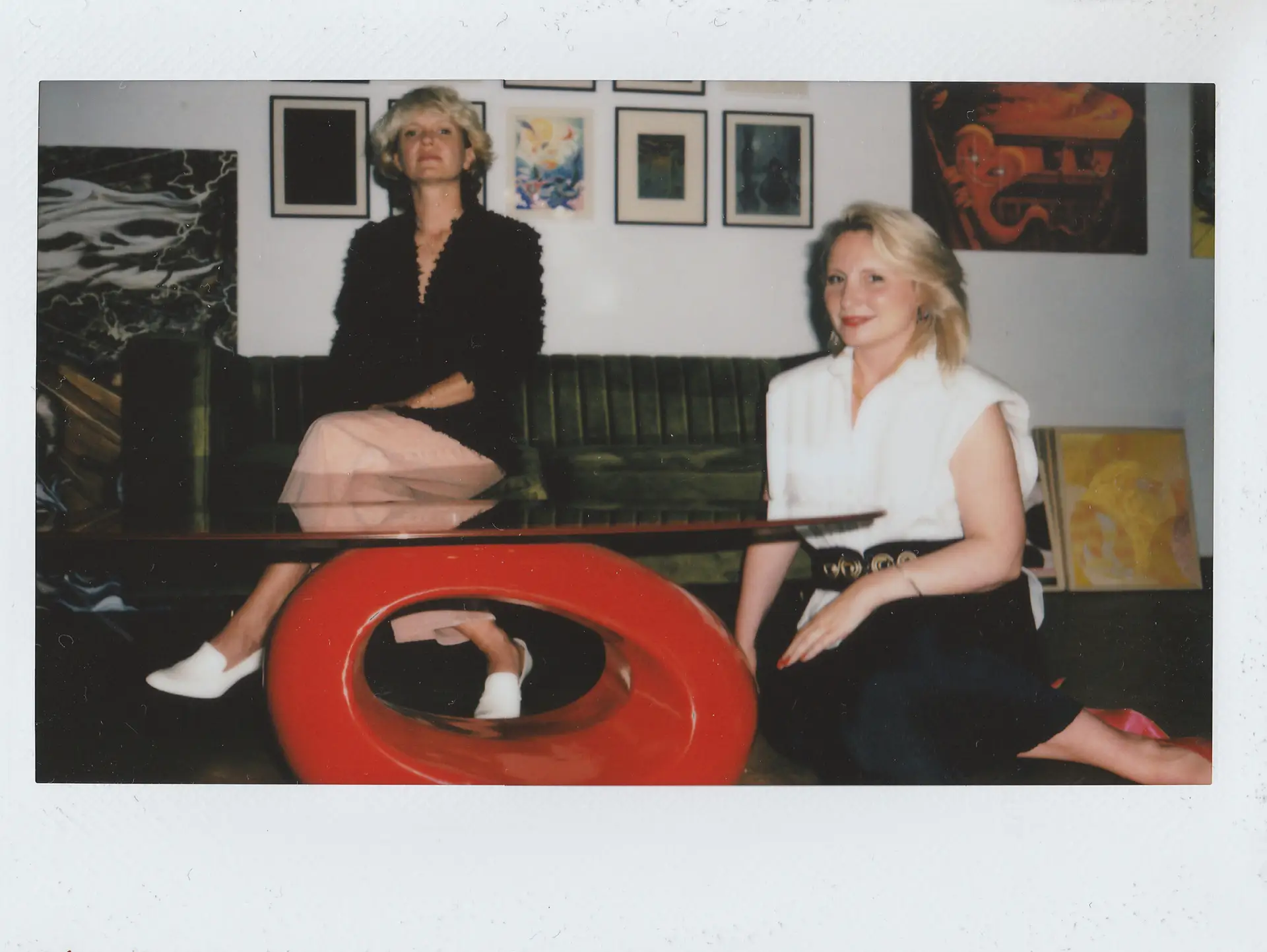
Interview with Ewa Chomicka and Jolanta Woszczenko, curators of the Polish Pavilion

At the 61st Venice Biennale, the Polish Pavilion’s Liquid Tongues explores alternative forms of communication, collective listening, and coexistence across human and more-than-human worlds. In conversation with curators Ewa Chomicka and Jolanta Woszczenko, we discussed Deaf culture, underwater communication, geopolitical realities, and the political potential of attentiveness itself. Moving between activism and poetic immersion, the …

Read moreInterview with Ewa Chomicka and Jolanta Woszczenko, curators of the Polish Pavilion

Interview with Adelina Luft, curator of the Moldova Pavilion

Adelina Luft sees the first-ever Moldova Pavilion at the 61st Venice Biennale not simply as a national debut, but as a political and emotional act of resistance. In conversation with us, the curator reflects on Pavel Brăila’s On the Thousand and Second Night—an installation staged inside Venice’s Santa Veneranda chapel that confronts war, territorial violence, …

Read moreInterview with Adelina Luft, curator of the Moldova Pavilion

An Interview with Natalia Sielewicz, curator of the Estonian Pavilion

The Easttopics team spoke with Natalia Sielewicz, curator of the Estonian Pavilion at the Venice Biennale, featuring artist Merike Estna. The interview touches on the politics of waiting as an artistic form, the relationship between care and painting, the contradictions of Eastern European identity, and what it means to make art amid ongoing geopolitical and …

Read moreAn Interview with Natalia Sielewicz, curator of the Estonian Pavilion

An Interview with Peter Sit, curator of the Czech and Slovak Pavilion

“The mole is no longer a figure of childhood imagination, but an instrument of invisible soft power” — this year’s project at the Czechoslovak Pavilion interprets silence not as passivity, but as a form of political resistance. According to the artists, the Biennale is not only about representation, but also about negotiating how art can …

Read moreAn Interview with Peter Sit, curator of the Czech and Slovak Pavilion

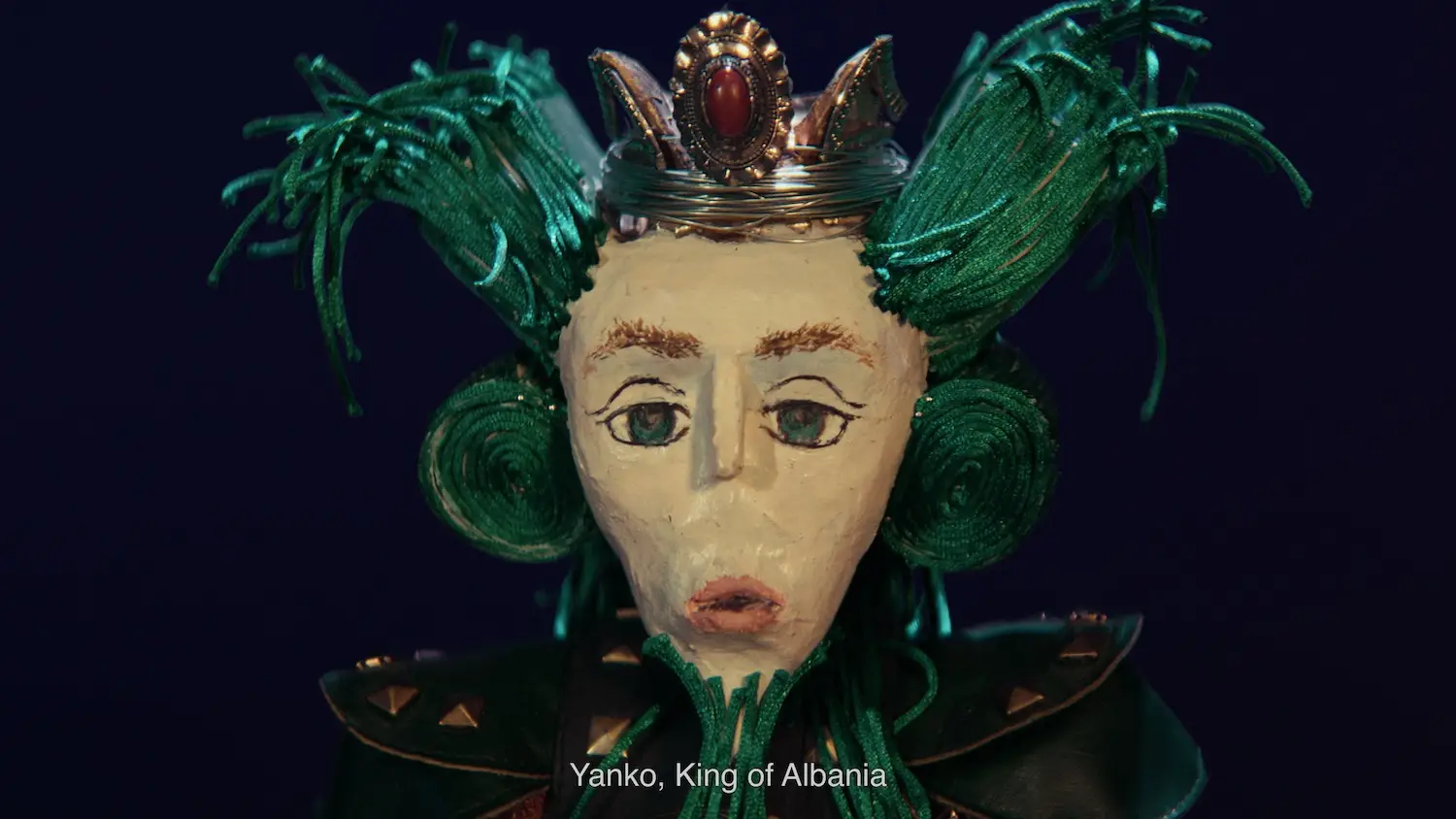
An Interview with Małgorzata Ludwisiak, curator of the Albanian Pavilion

This interview with the Albanian Pavilion’s curator, Małgorzata Ludwisiak, explores A Place in the Sun through questions of cultural perception, the notion of the “unknown,” and the mechanisms of the exoticizing gaze, while also reflecting on broader geopolitical and artistic contexts. If you had to distill your pavilion into a single idea, what would it …

Read moreAn Interview with Małgorzata Ludwisiak, curator of the Albanian Pavilion

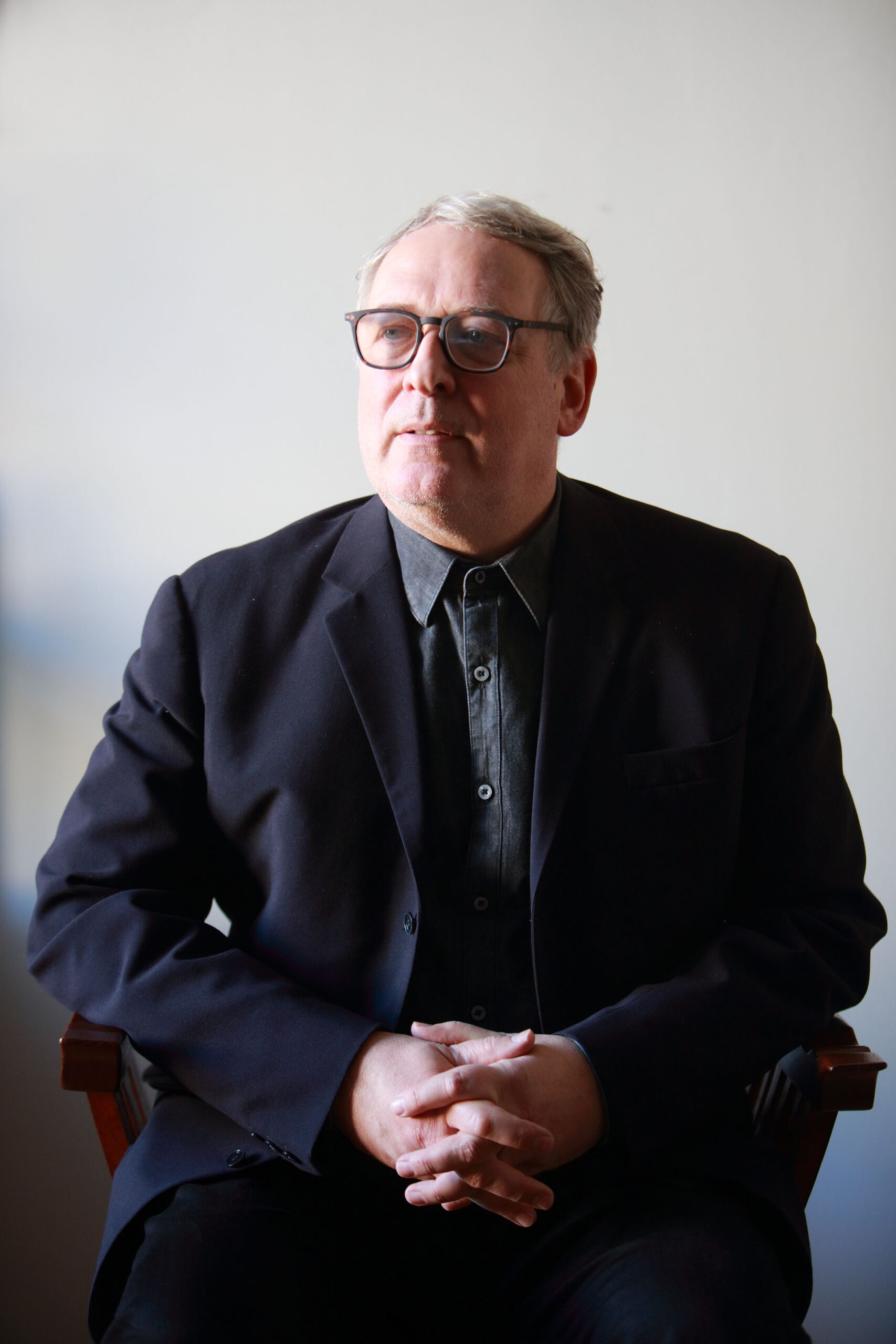
An Interview with Branko Franceschi, curator of the Croatian Pavilion

Dubravka Lošić’s presentation at the Venice Biennale is more than just another national pavilion—it is a concentrated reflection on how beauty, trauma, and cultural position intersect. Her installation Compelled by Fright and Beauty reveals the tensions beneath the Mediterranean idyll, while the curatorial perspective probes how Central and Eastern European experience is read within the …

Read moreAn Interview with Branko Franceschi, curator of the Croatian Pavilion

An Interview with Louise O’Kelly, curator of the Lithuanian Pavilion

At this year’s Venice Biennale, one pavilion stands out not only for its aesthetic language but for the questions it raises about our relationship to each other and to the natural world. Eglė Budvytytė’s work draws on ancient animist worldviews while quietly pushing back against the logics of contemporary capitalism. We spoke with the curator …

Read moreAn Interview with Louise O’Kelly, curator of the Lithuanian Pavilion

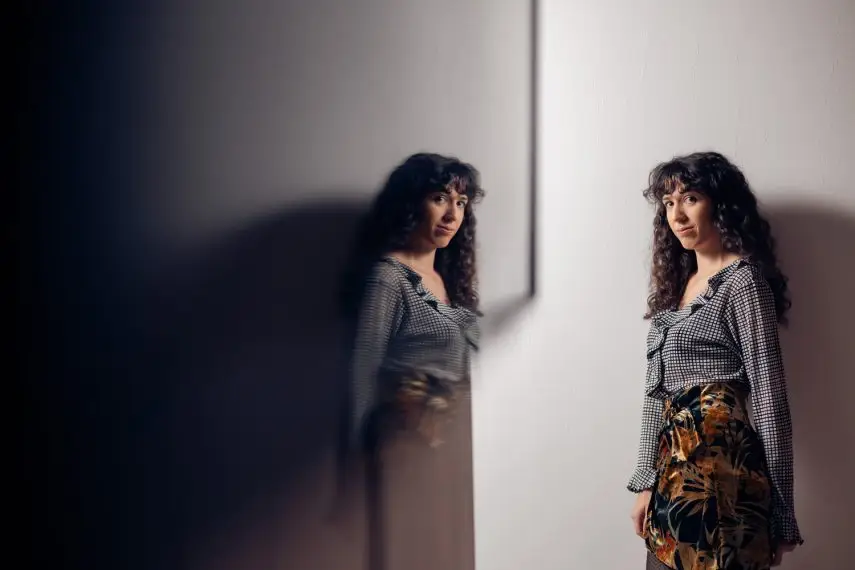
Photo Martina Jordanova by Maximilian Pramatarov

An Interview with Martina Yordanova, curator of the Bulgarian Pavilion

At the 61st Venice Biennale, the Bulgarian Pavilion explores alternative models of collective existence that move beyond narratives of dominance, hierarchy, and fixed identities. Curated by Martina Yordanova, The Federation of Minor Practices foregrounds forms of interdependence, care, and subtle, often overlooked gestures as foundations for coexistence. Bringing together the works of Gery Georgieva, Maria …

Read moreAn Interview with Martina Yordanova, curator of the Bulgarian Pavilion

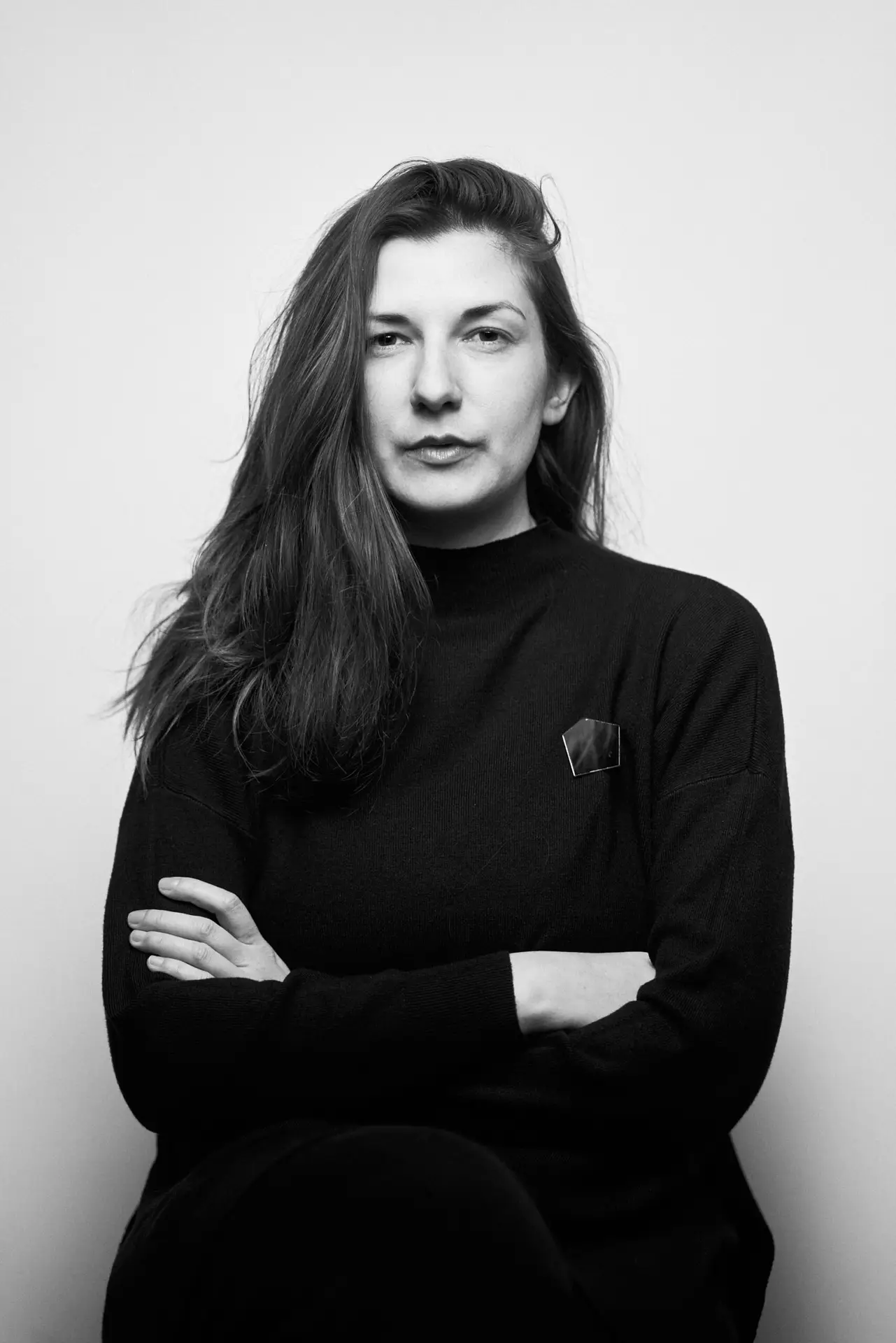
An Interview with Corina Oprea on Romania’s Pavilion at Venice Biennale

At the 61st Venice Biennale, the Romanian pavilion, curated by Corina Oprea and Diana Marincu, presents Black Seas – Scores for the Sonic Eye, a project by Anca Benera and Arnold Estefán. In this interview with Corina Oprea, we explore how the pavilion reconceives the Black Sea as a materially and politically charged environment—where conflict, …

Read moreAn Interview with Corina Oprea on Romania’s Pavilion at Venice Biennale

A Glass Pavilion for a New Vision

Emerging from a years-long dialogue between Oradea’s cultural visionaries and its community, NOCA marks a bold new chapter in the city’s artistic identity. Housed in a striking glass pavilion beside the historic Black Eagle Palace, the center positions itself as a dynamic hub for contemporary creation, experimentation, and exchange. With a curatorial strategy that bridges …

Read moreA Glass Pavilion for a New Vision

Questions Before Conclusions: Inside RAVNIKAR Projects

She watched potential go unrealised under rigid frameworks, saw her generation overlooked, and decided to build what was missing: a porous, hybrid platform putting people before products, questions before conclusions. From Ljubljana, Piera Ravnikar is reimagining what a gallery can be—part institution, part community, part act of care. – An interview with Piera Ravnikar, Founder …

Read moreQuestions Before Conclusions: Inside RAVNIKAR Projects

No White Cubes, No Old Men: The Bloom of Polana Institute

They brainstormed in the Croatian bushes, launched their first show with borrowed money, and dragged ladders through museums before breakfast. What started as a rebellion against the art world’s stiff white walls has grown into one of Poland’s unconventional—and unapologetically bold—art spaces. Welcome to the Polana Institute: part punk, part poetry, all heart. – An …

Read moreNo White Cubes, No Old Men: The Bloom of Polana Institute

Interview with Lara Mejač

Explain what you do in 100 words! What do you like about your work? What does it mean to you to be a curator today? I’m a freelance curator based in Ljubljana. One of the most important aspects of my curatorial practice is working collaboratively. I believe it is very important to always work in …

Read moreInterview with Lara Mejač

Interview with Piera Ravnikar

The fast approaching third edition of LJUBLJANA ART WEEKEND will be curated by ETC., an annual magazine committed to showcasing contemporary artistic expressions spanning from the Baltic to the Balkans. The theme of the third issue of the magazine, Selling Out, directly correlates to the overarching theme of Ljubljana Art Weekend. It delves into the …

Read moreInterview with Piera Ravnikar

Macedonian Pavilion at the Venice Biennale: An Interview with Curator Ana Frangovska

Pavilion of North Macedonia Describe your studio/work practice. My curatorial practice is based on a direct communication with the artists, almost always from the very essence of formulation of the idea, through discussions, sharing context understanding, explaining different aspects and multilayered approaches on a particular topic, constant following of the production process, or collective selection …

Read moreMacedonian Pavilion at the Venice Biennale: An Interview with Curator Ana Frangovska