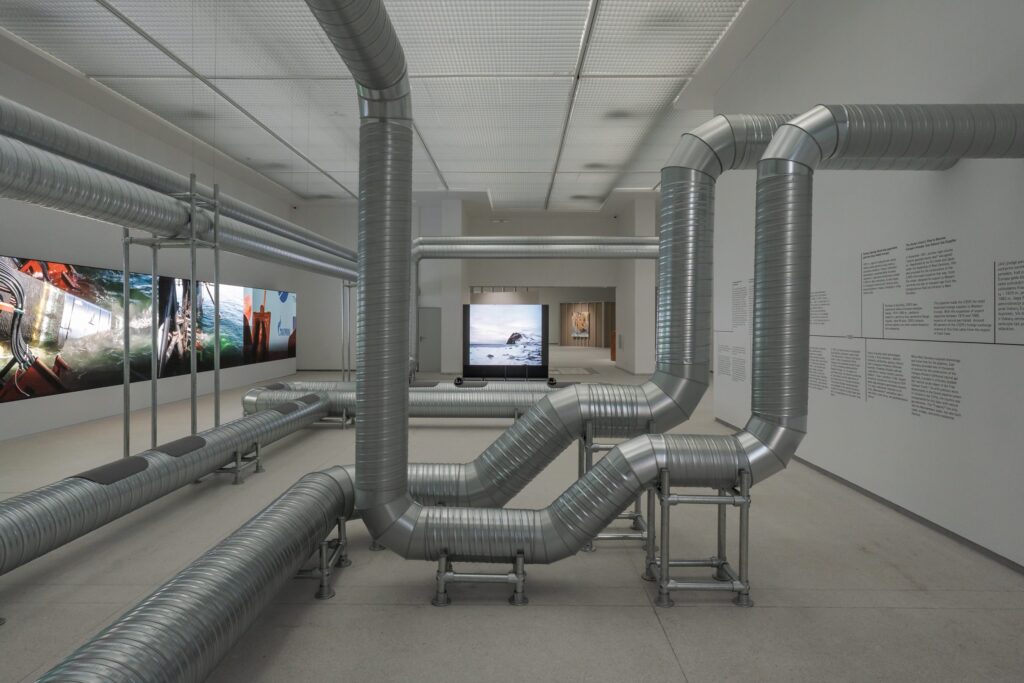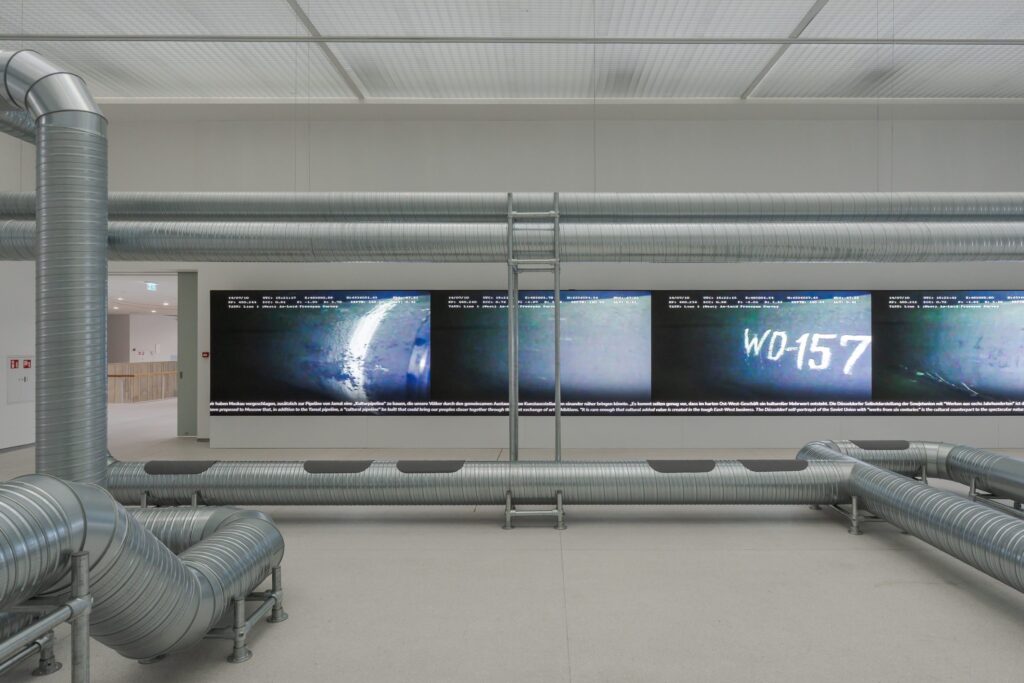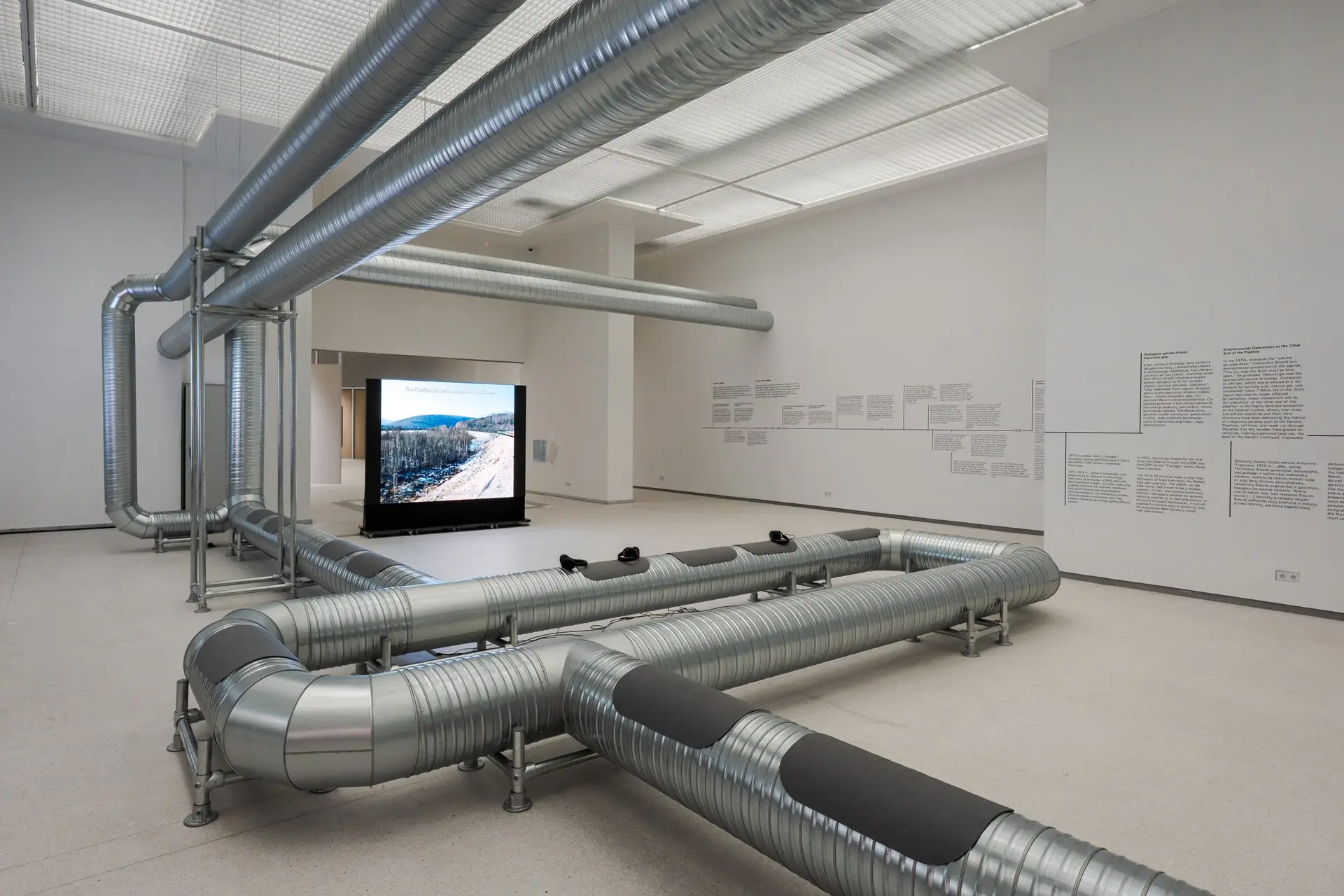
Artists: Kateryna Aliinyk, Maithu Bùi, Anna Engelhardt and Mark Cinkevich, Forensic Architecture, Philipp Goll, Nikita Kadan, Lina Lapelytė, Bjørn Melhus, Deimantas Narkevičius, Henrike Naumann, Oleksiy Radynski, Indrė Rybakovaitė, Trevor Paglen, Sana Shahmuradova Tanska, Basma al-Sharif, Michael Stevenson, Hito Steyerl, Fedir Tetianych, Peter Wächtler, Clemens von Wedemeyer, Jan Eustachy Wolski, Tobias Zielony; and Berta Tilmantė, Neringa Rekašiūtė, Aurelija Urbonavičiūtė and Rūta Meilutytė
Title: Bells and Cannons. Contemporary Art in the Face of Militarisation
Curators: Virginija Januškevičiūtė and Valentinas Klimašauskas
Venue: CAC, Vilnius
Photos: Andrej Vasilenko
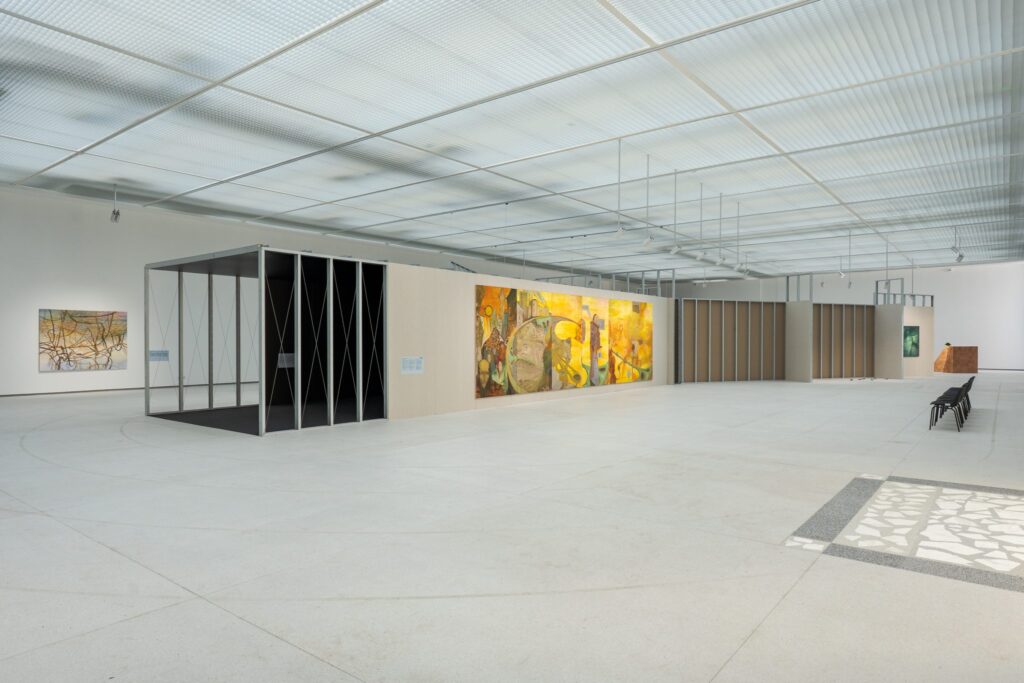
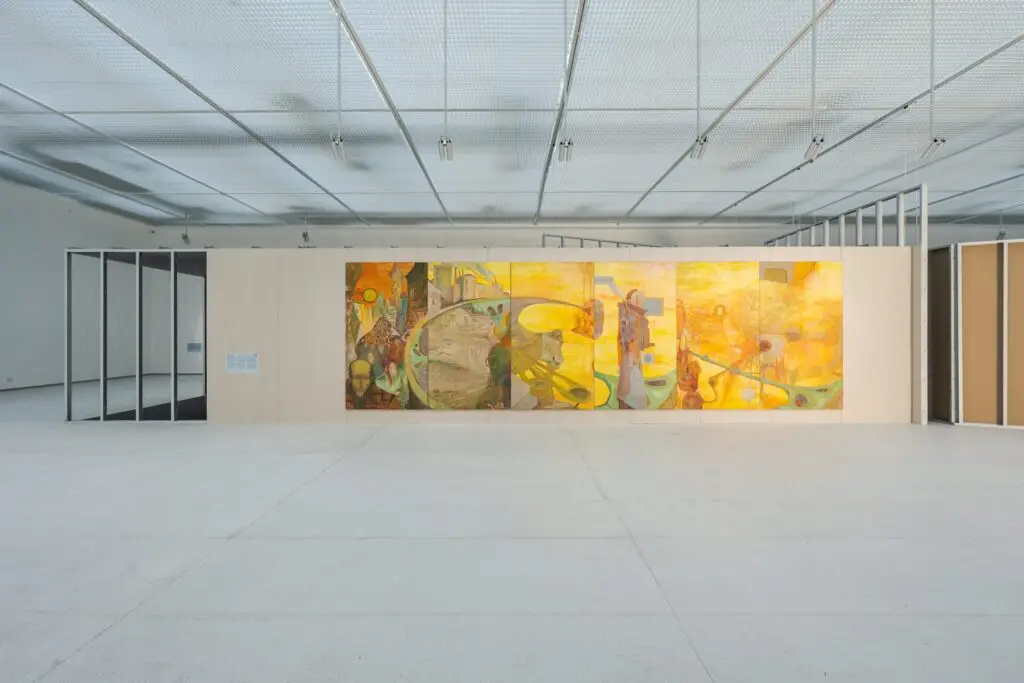
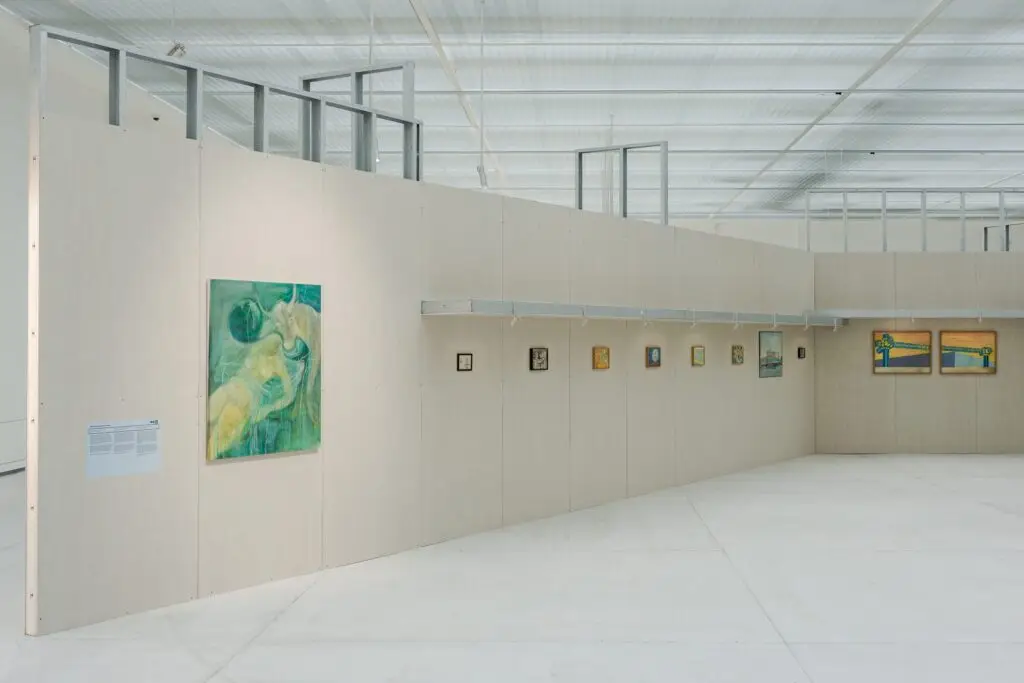
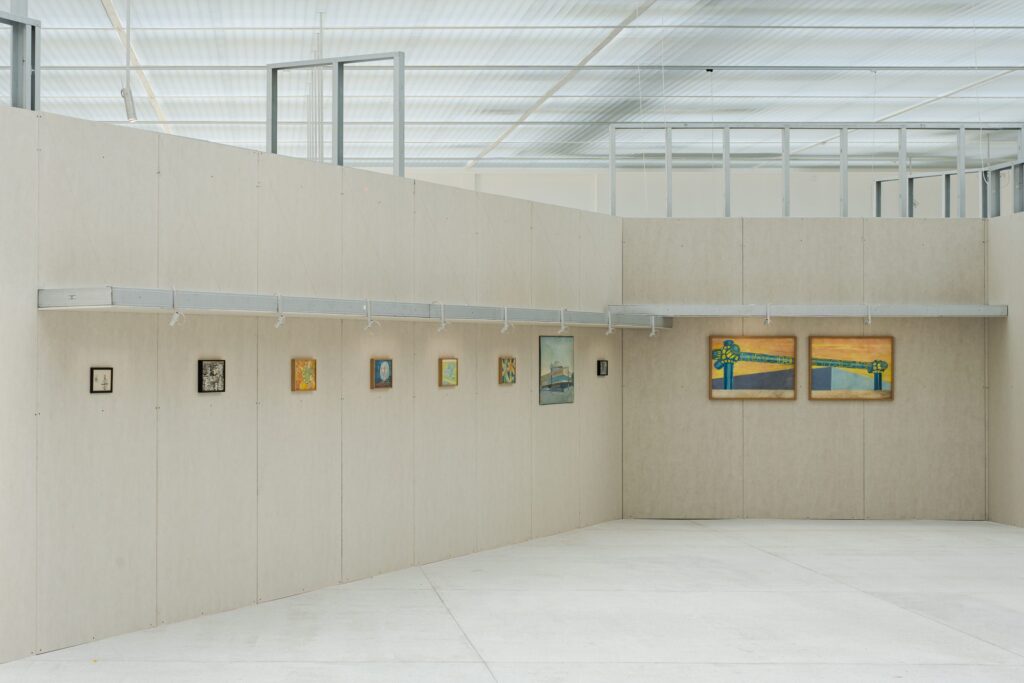
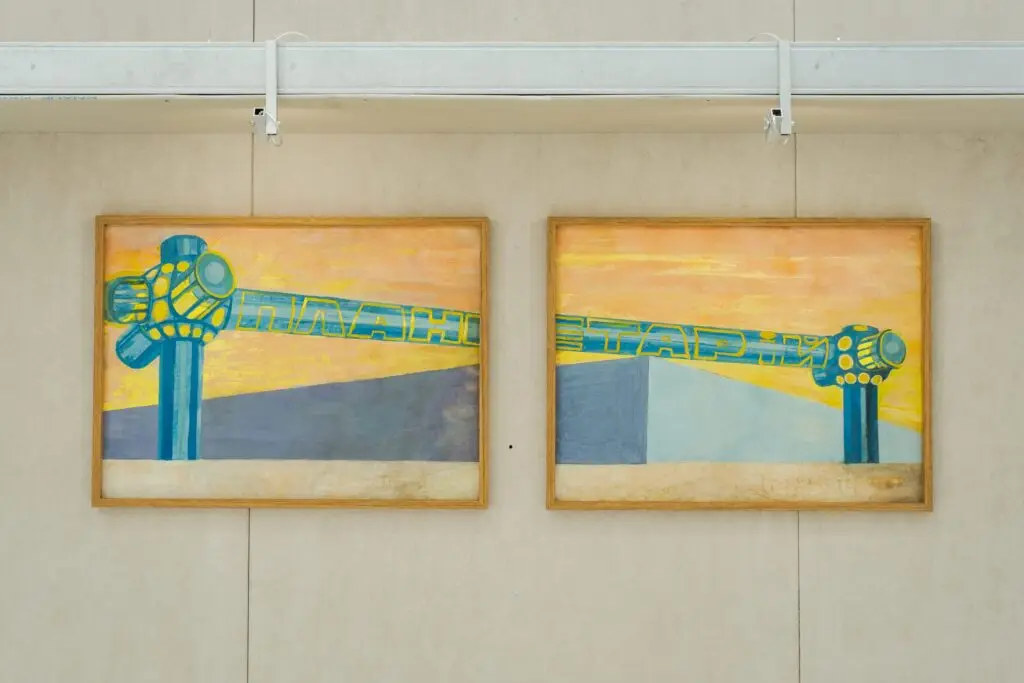
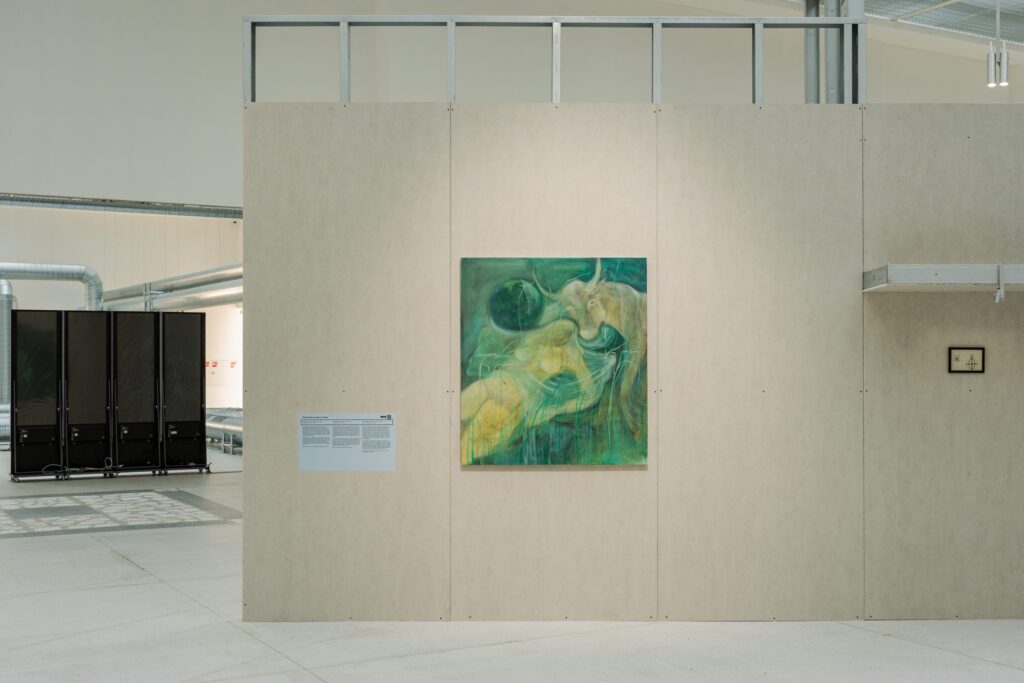
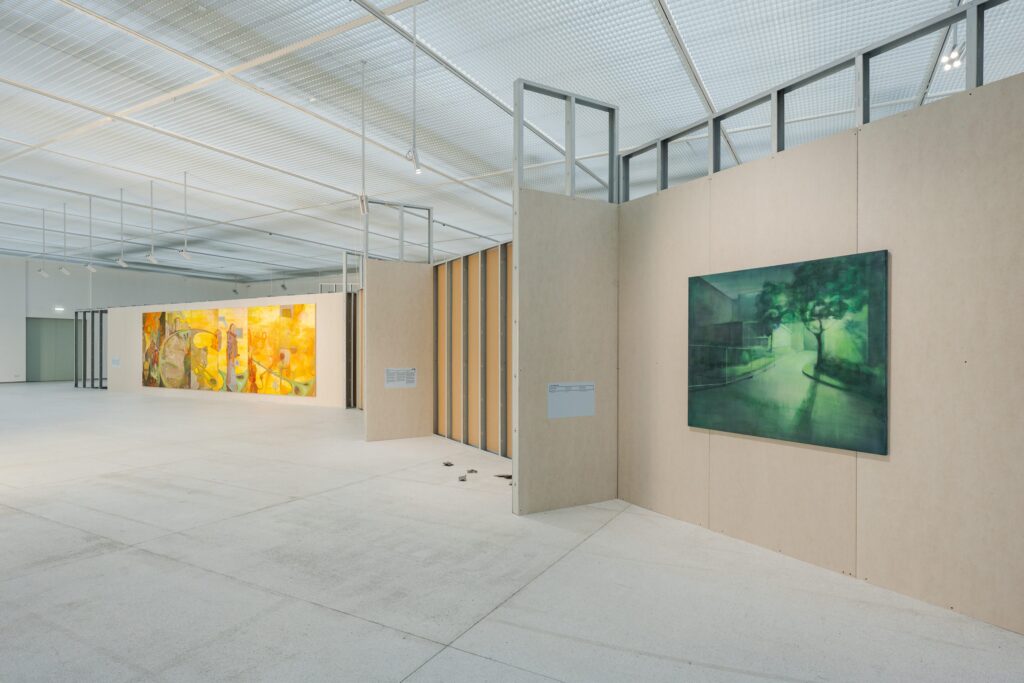
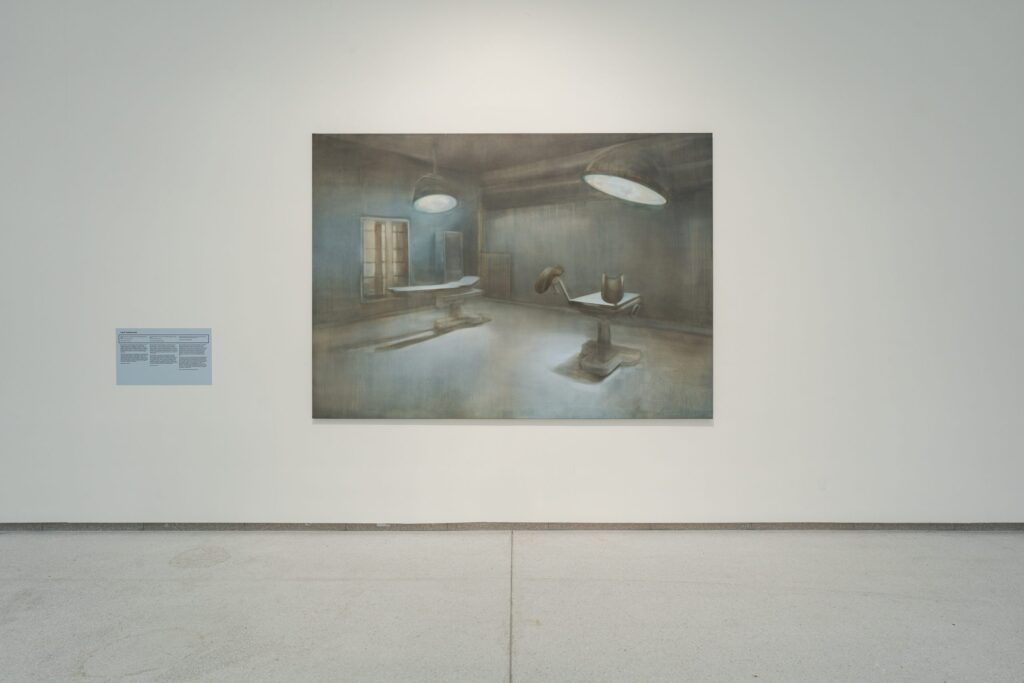
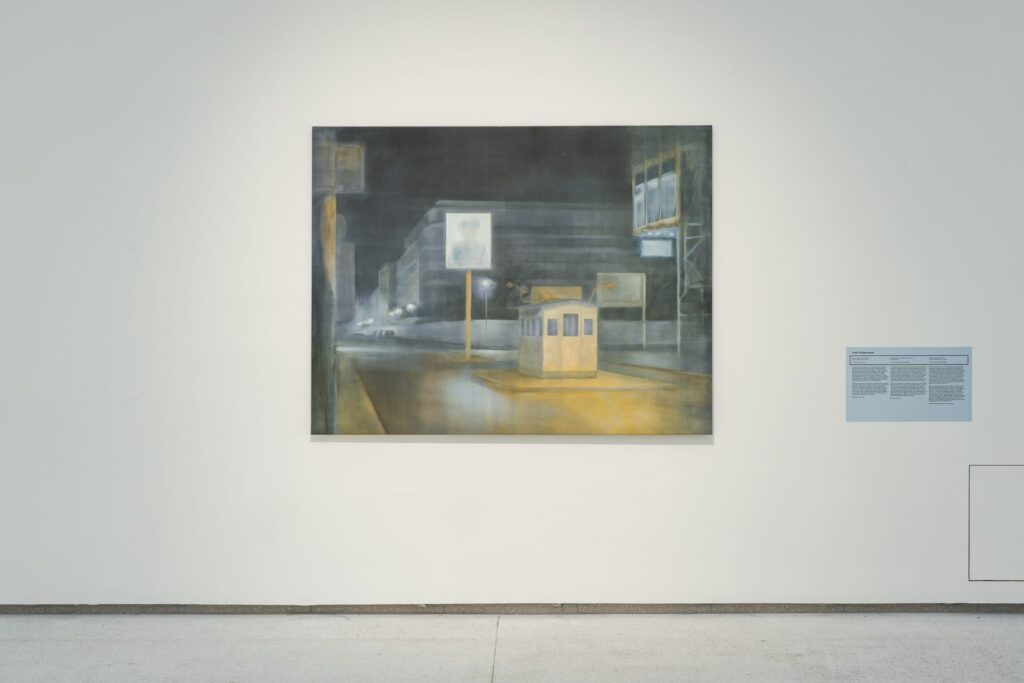
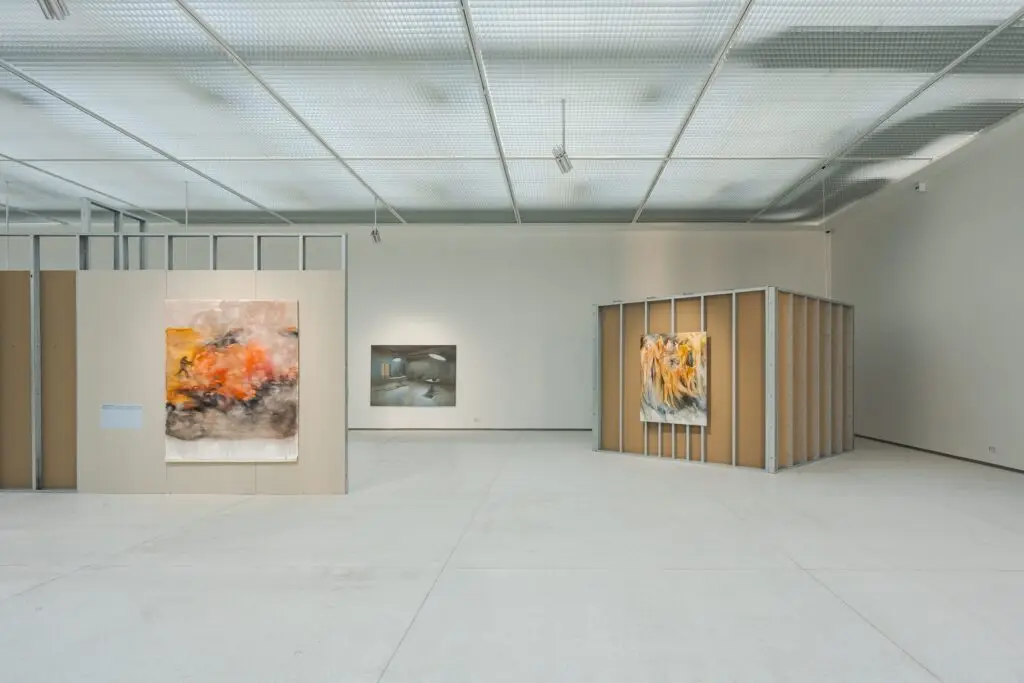
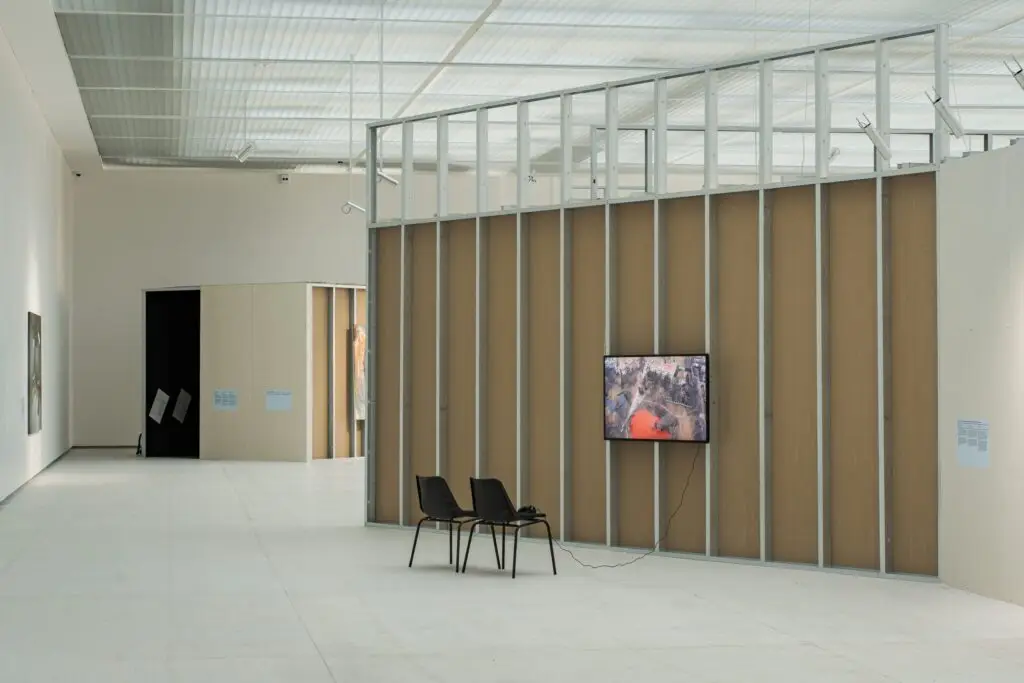
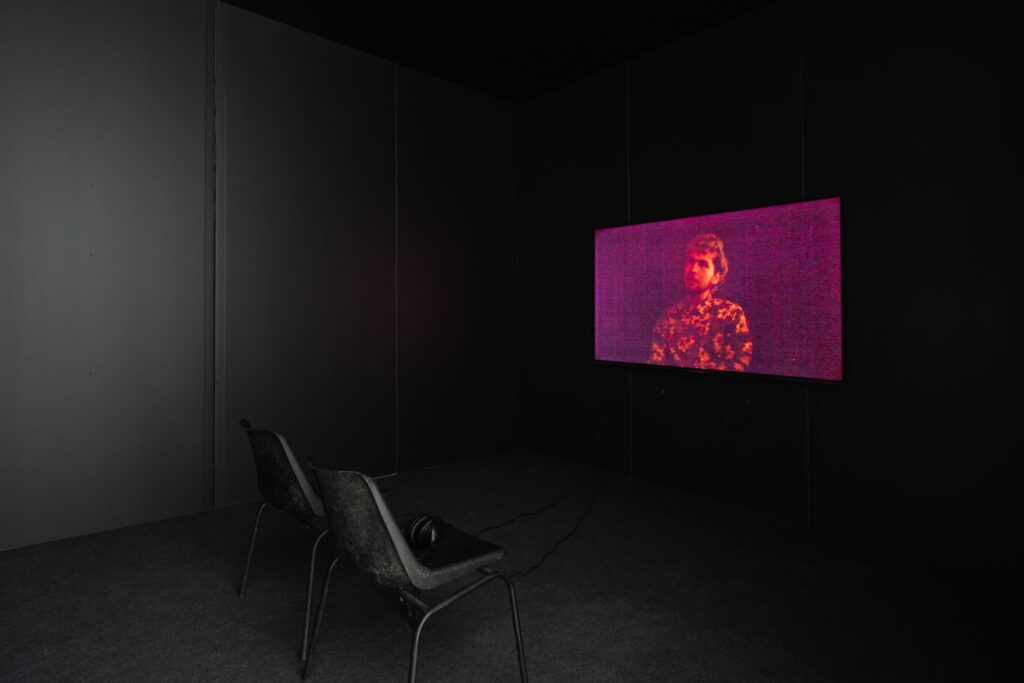
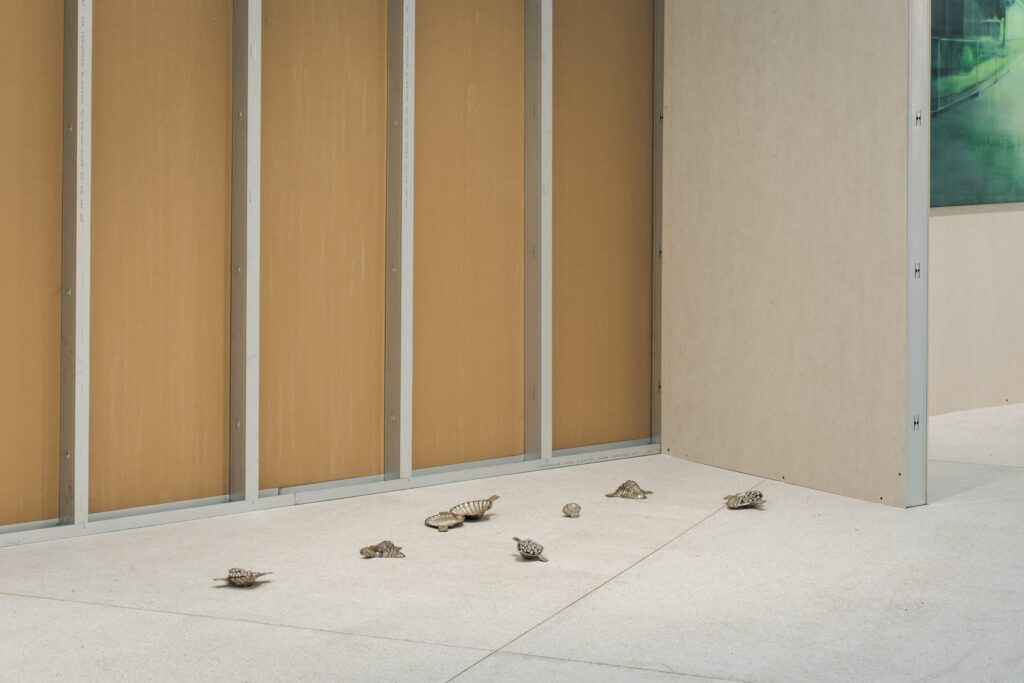
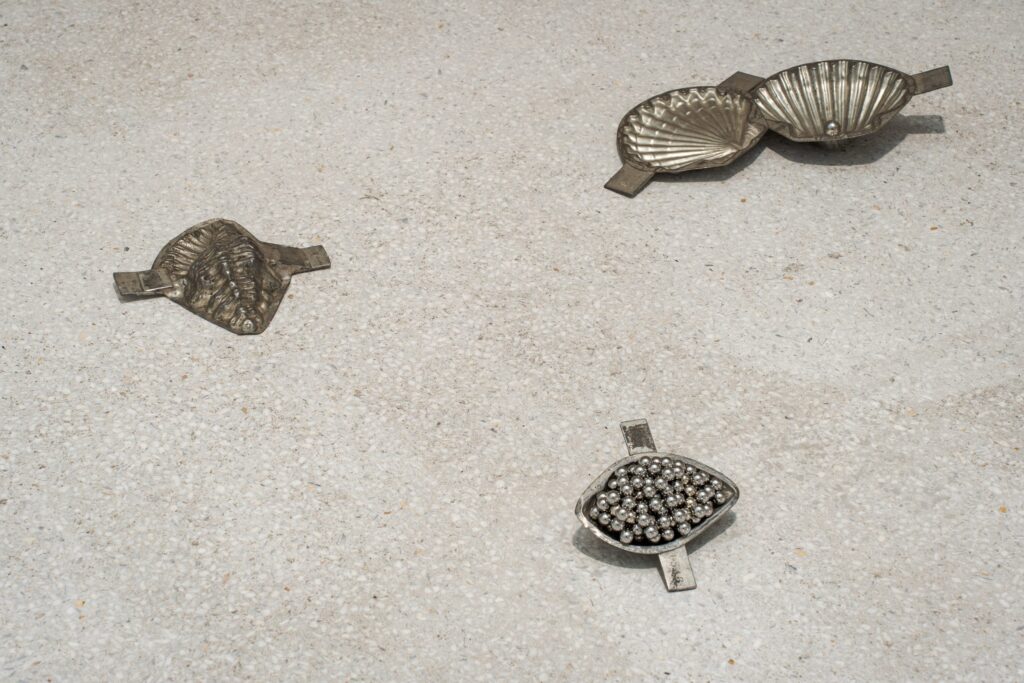
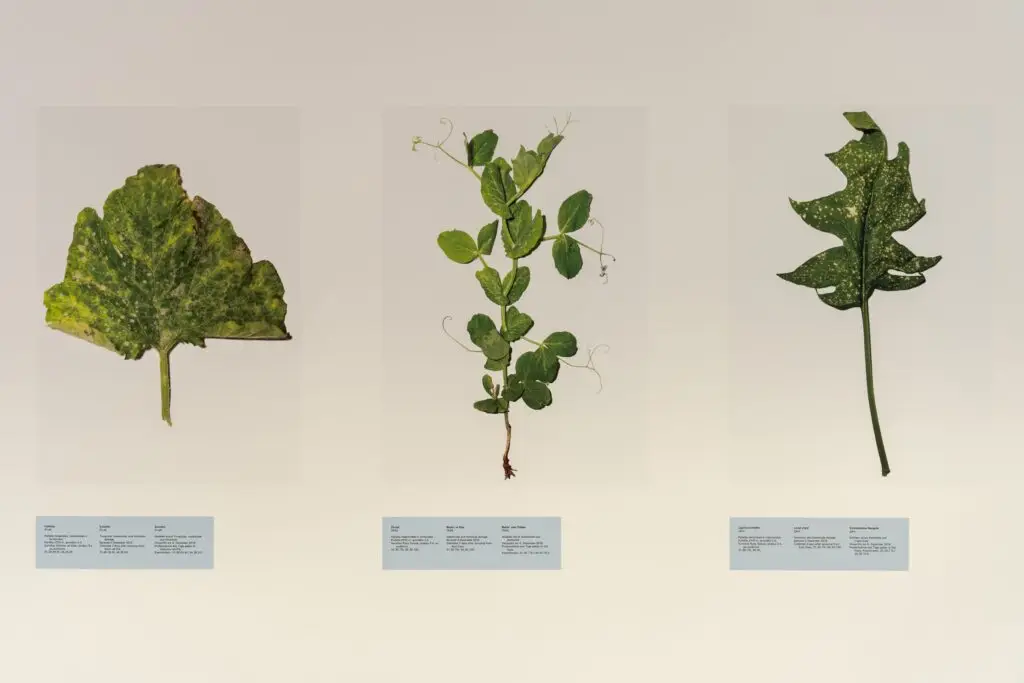
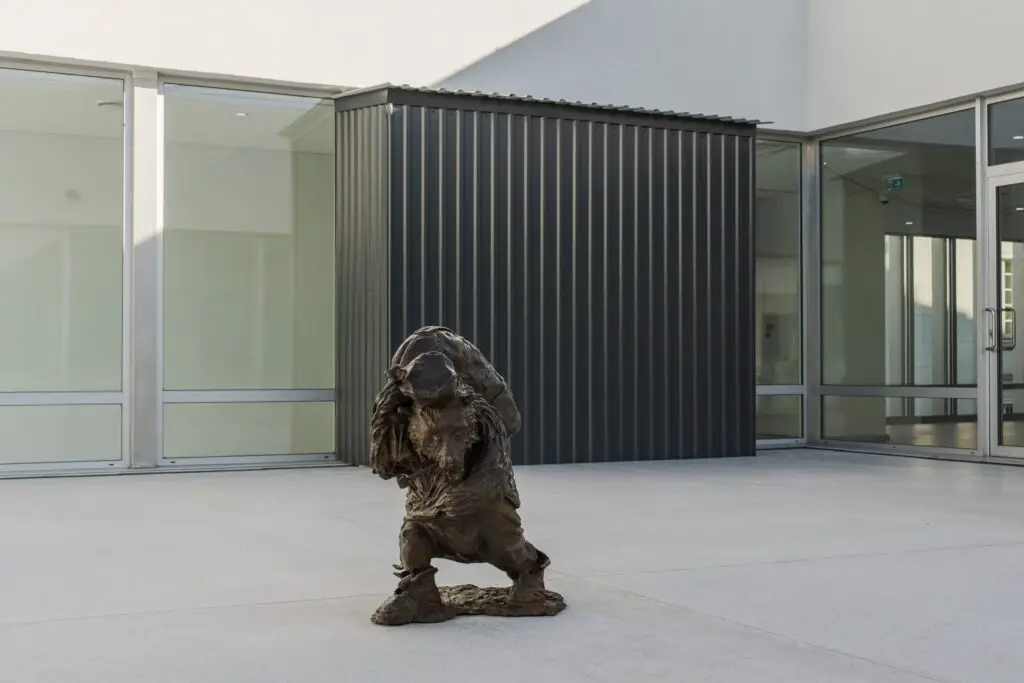
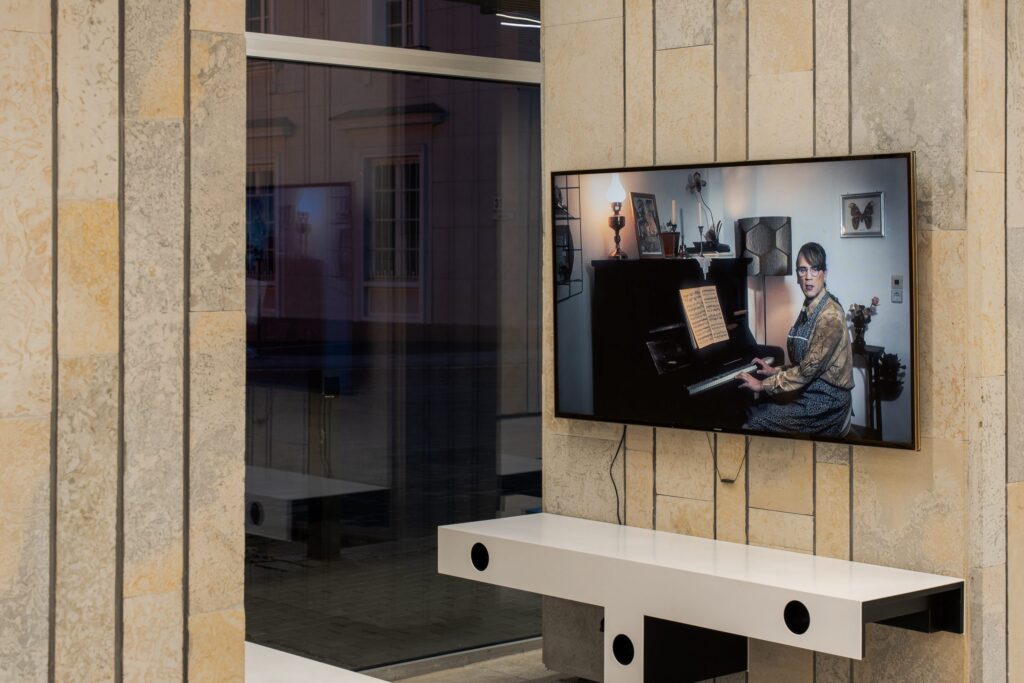
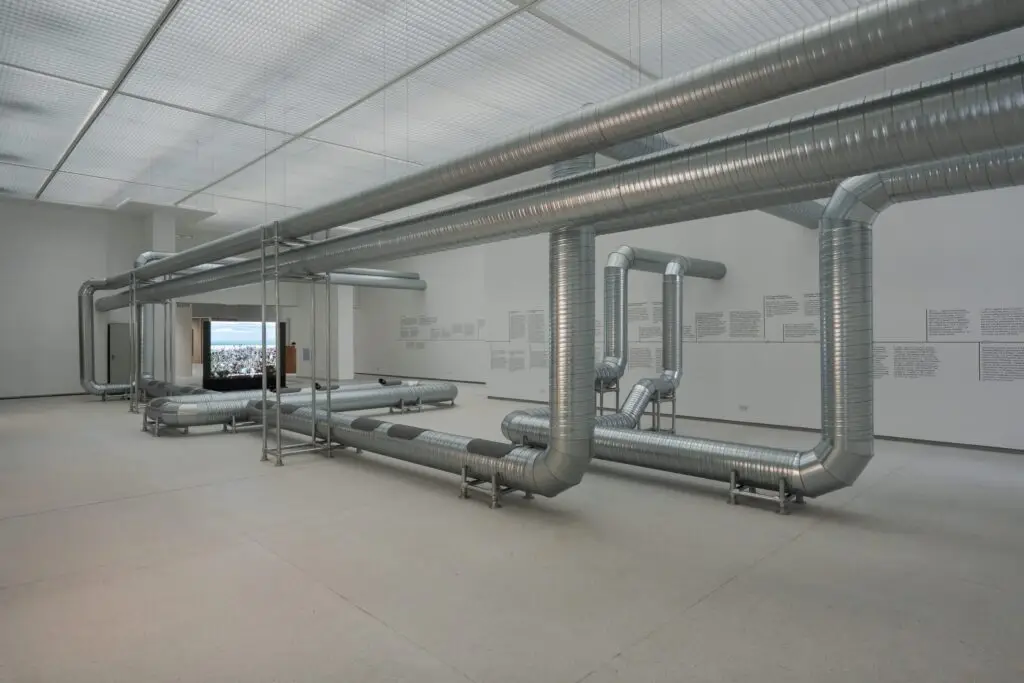
The international group exhibition ‘Bells and Cannons’ presents different strategies used by contemporary artists in the face of militarisation. Its title refers to the close relationship between art and war. Historically, bells were often recast into cannons and other weaponry during wartime. In other words, from its very inception, the idea of a bell has included the possibility of military use, and both bells and cannons were frequently cast by the same craftspeople. Fittingly, the exhibition employs this metaphor of unexpected congruence to explore the complex relationship between war and culture.
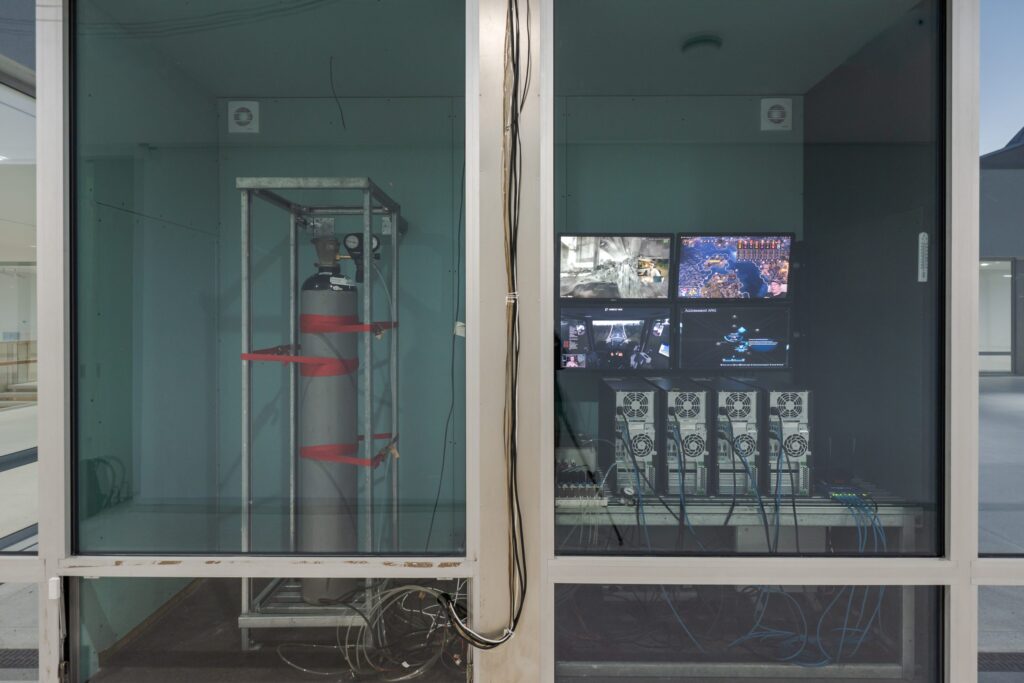
We could include art and culture as part of the contemporary conflict analysis vocabulary, alongside concepts such as soft power, psyop, and hybrid warfare. What connects them is the notion that it can be extremely difficult to distinguish between what belongs to war and what does not. It is equally challenging to determine when and which communication tools, data processing technologies, or energy structures are used for civilian versus military purposes, and for whose benefit. Similarly, decisions relating to climate change, altered landscapes, and historical memory can often appear ambiguous or opaque, like the motives and people behind them.
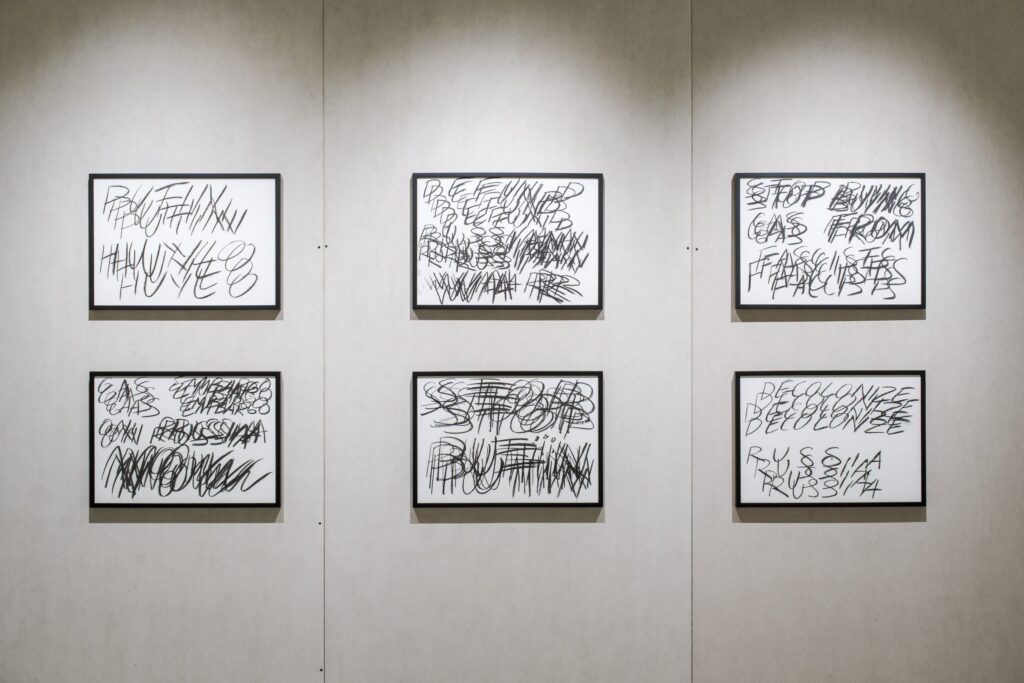
In such circumstances, strategies of militarisation, securitisation and peacekeeping inevitably invade the spheres of artistic responsibility and imagination. In the works of the artists presented in this exhibition, different relationships and compositions unfold between bells and cannons. Some ask what forces, beliefs, and strategies shape today’s military conflicts, or what role art may have in this context. Works from earlier decades address the ideological side of information technology, the fragility of international relations, and other long-term historical phenomena.
This exhibition is developed as the world reels from constant crises, military and otherwise, which often feed into each other. At the time of writing this text, the UN Independent International Commission of Inquiry reports that Israel is committing genocide against Palestinians in the Gaza Strip, while Poland calls for a NATO-backed no-fly zone over Ukraine after Russian drones have repeatedly violated NATO airspace. The disputes that surround these conflicts are dividing EU and global societies and, of course, artistic communities. The feeling of distress also comes with the irreconcilable simultaneity of the apparent need for armament like the deployment of the German Brigade in Lithuania on one hand and the wishing for more peaceful futures on the other.
As with works of art, where reality is revealed not through direct documentation but through the varied contexts of artistic practices developed over many years through abstraction, play, or other artistic means, this exhibition does not aim to provide a comprehensive, unequivocal, or objective reflection of militarisation and global conflicts. It can, however, be interpreted as an opportunity to explore diverse artistic practices in an increasingly discordant world.
– Valentinas Klimašauskas, Virginija Januškevičiūtė
The exhibition is part of the project Aspects of Presence, a collaboration between the Contemporary Art Centre (CAC), Vilnius, the Akademie der Künste, Berlin, and the Goethe-Institut in Lithuania, which takes the current deployment of the German Brigade to Lithuania as a starting point. This deployment is part of NATO’s strategy to reinforce its eastern borders in response to Russia’s ongoing military aggression against Ukraine. Over the coming years, approximately 5,000 soldiers, alongside civilians and families, will relocate to Lithuania, with the brigade expected to reach full operational readiness by 2027.
Focusing on the brigade’s presence in Lithuania, the project opens up discussions on the broader context of the Russian invasion of Ukraine and its global implications. This deployment marks a significant geopolitical shift, reflecting profound transformations and historical continuities. The invasion of Ukraine reveals itself as deeply entangled with political negligence in ecological and economic policies, uncritical cooperation with authoritarian regimes, particularly in the energy sector, and the increasing influence of opaque (dis)information technologies. It also brings to the forefront shifting perceptions and global entanglements, cultural conflicts, and anxieties that extend far beyond the military sphere.
Through artworks, discussions, and texts, Aspects of Presence explores how contemporary life is affected by militarisation, reflecting on what led us here and the future that lies ahead. The project seeks to create space for artists and audiences to engage with the complexities and contradictions of this ongoing geopolitical shift. The project unfolds in three stages: a symposium at the Akademie der Künste in Berlin in June 2025, the exhibition ‘Bells and Cannons’ at CAC Vilnius, and a publication that will be launched in 2026.