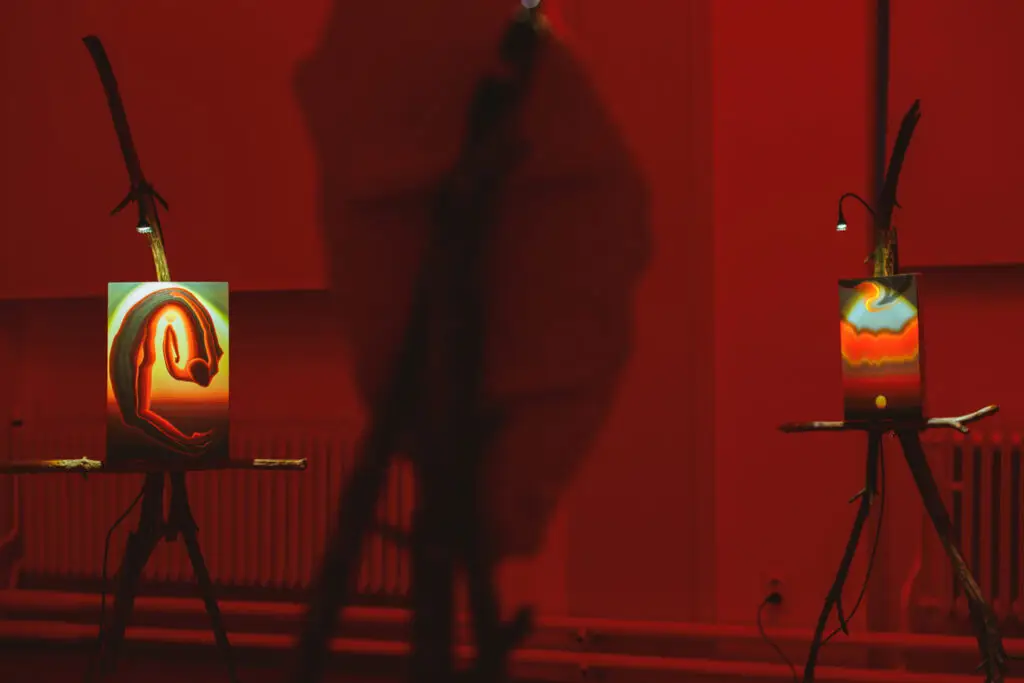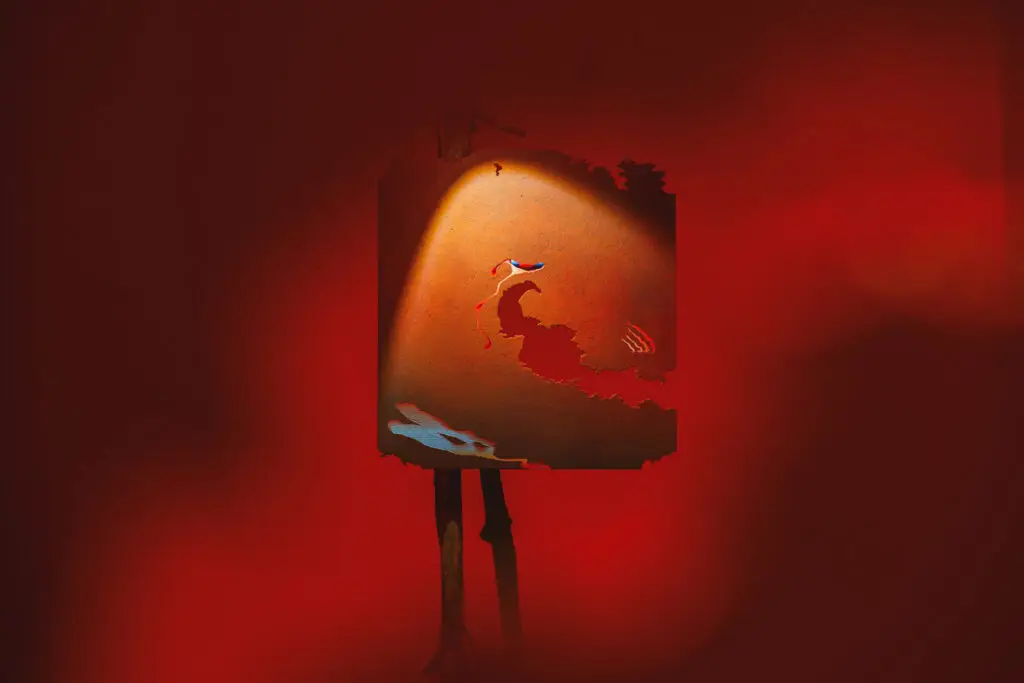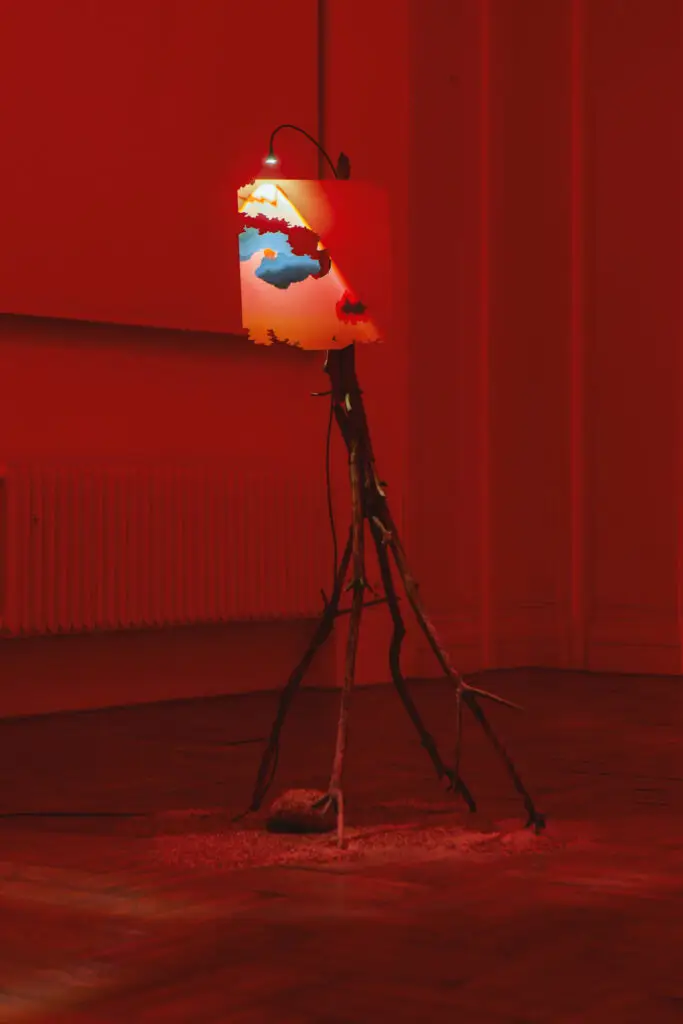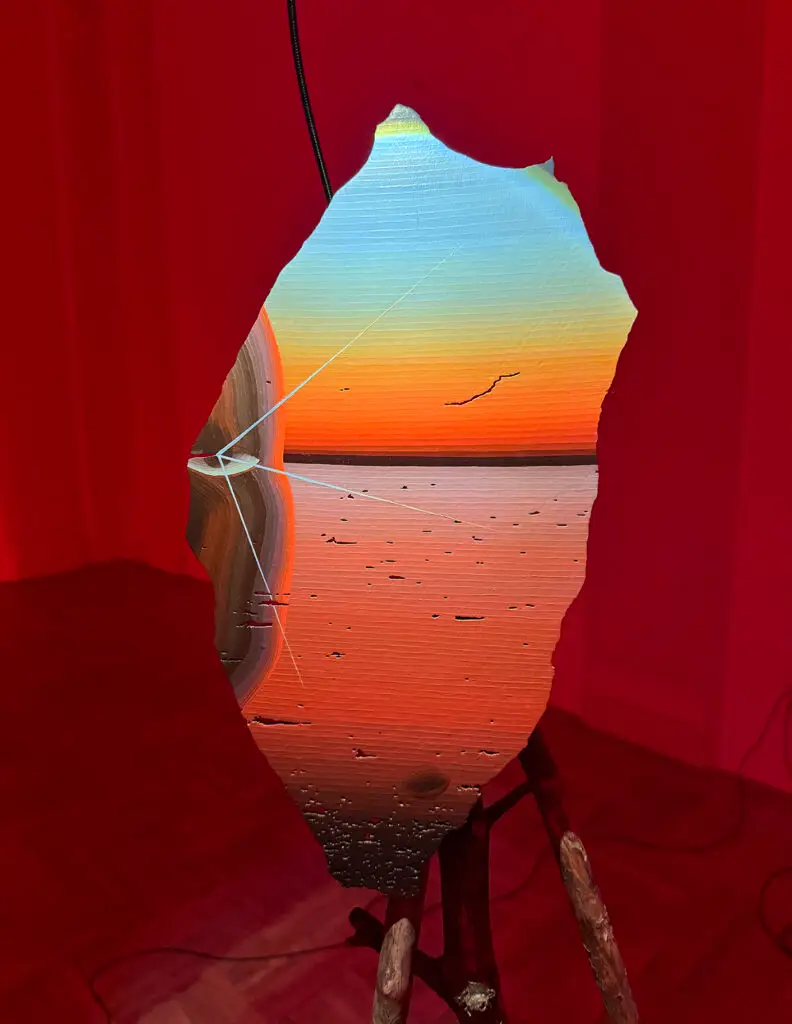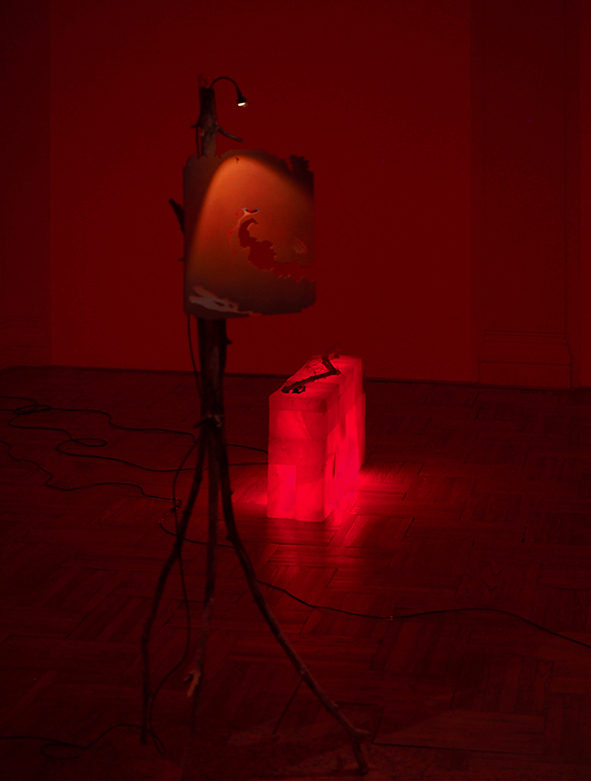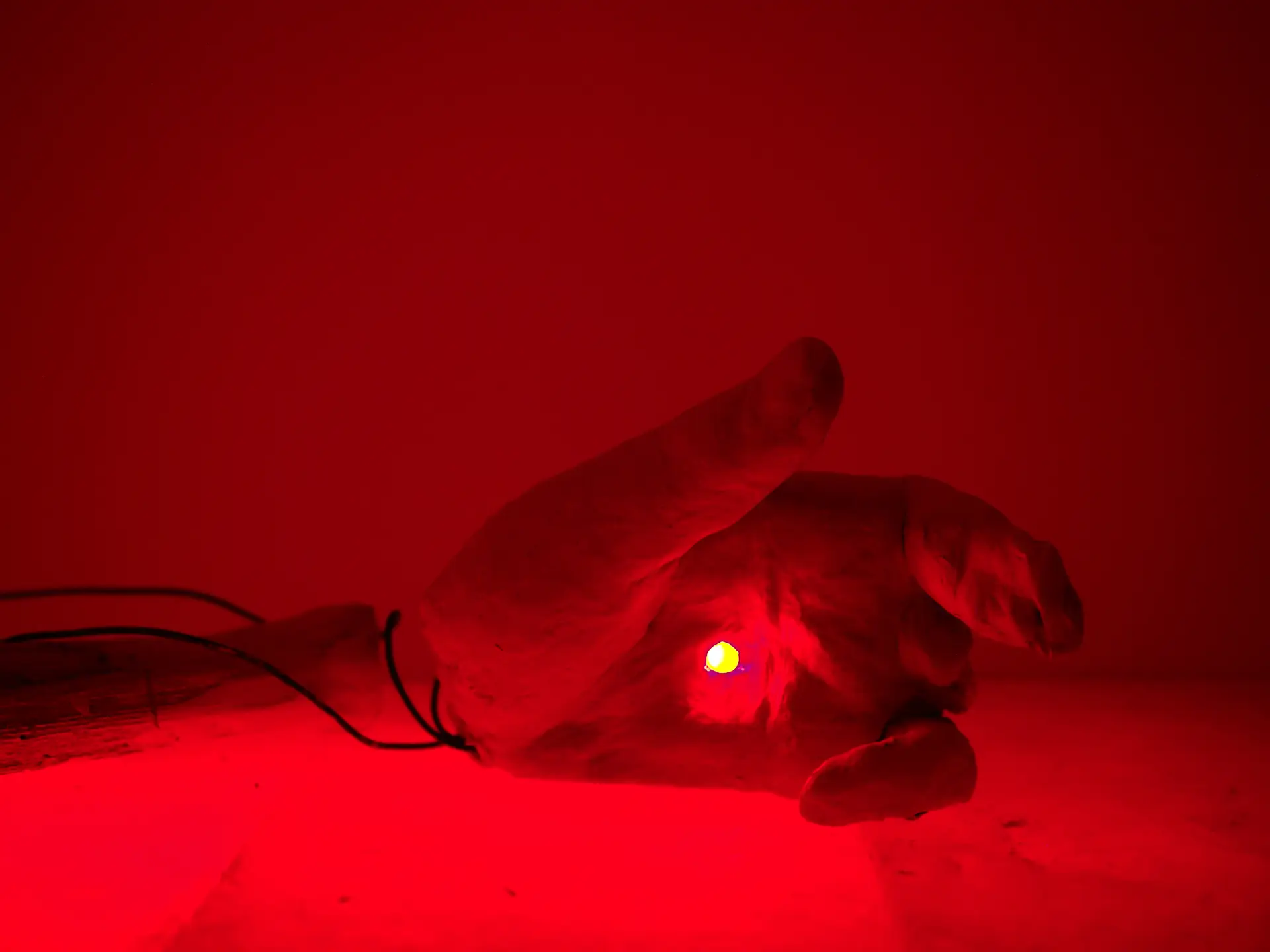
Artist: Šárka Koudelová
Title: Sol
Curator: Piotr Sikora
Venue: Museum of Arts and Design Benešov, Czech Republic
Photos: Silvie Heřmanská

Time reflects itself in art with indifference. It slips through it like sand in an hourglass, leaving behind traces—more or less visible—that reveal the secret of its passage: relativity.
Water represents a different measure of time: tides and ebbs, monsoons and droughts. Ahistoricity and timelessness. Water is healing and release, and thus, in a certain sense, eternity. In a certain sense.
In the work of Šárka Koudelová, the relationship with flowing time gains extraordinary intensity—it thickens. Much like dreamcatchers, her paintings, sculptures, and objects act as filters that retain larger fragments of time within themselves. Carefully woven historical references that the artist evokes in her works form a network of meanings and citations. Flowing time settles upon them, evoking the familiar sensation of déjà vu, a kind of looping in which we realize how much what we call time depends on ourselves.
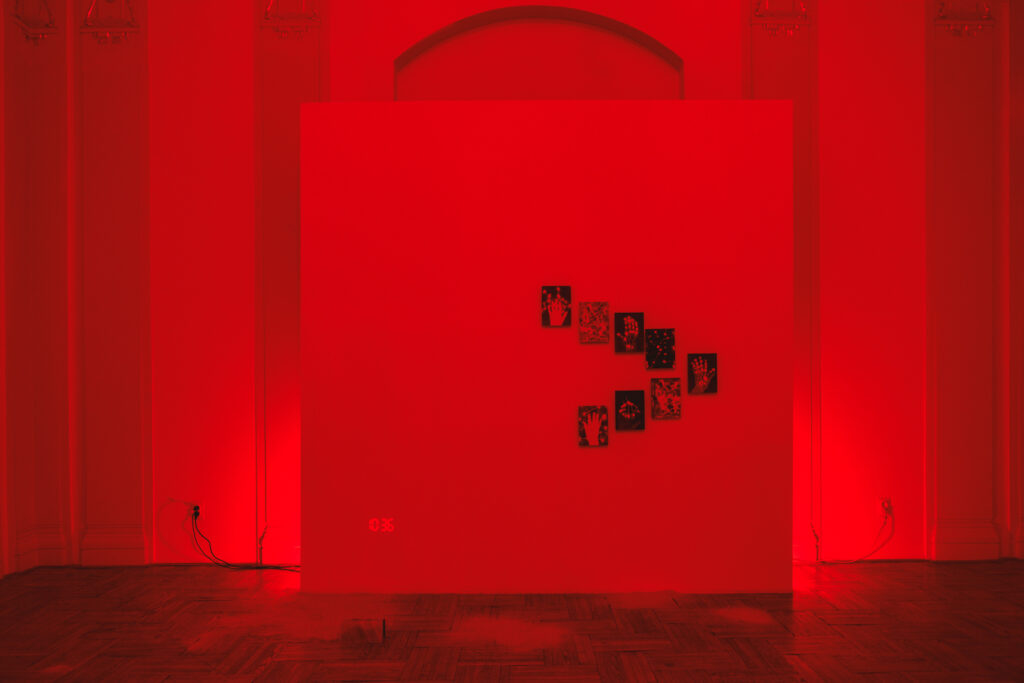
It is said that the surface of the fourth planet of the Solar System was once covered by water. The Borealis Ocean left traces on the body of the planet in the form of vast deposits of salt and minerals, without altering the way Martian time is otherwise measured—one day there is 39 minutes longer, and a year lasts 687 days. Yet everything drags unbearably slowly due to the low temperature, at which toes and noses freeze—on average minus 63 degrees Celsius—and due to an atmosphere as thin as a layer of ice on a river in the first days of winter.
Some say that time is like a mother, but I would rather see it as a father—strict and precise, carefully measuring out hours and days. Occasionally it shows a temporary generosity and tenderness—and these are brief but precious moments.
I wonder where all the water of the Martian seas evaporated to. Into what kind of cosmic vapor it transformed when it left the planet red with iron and salt. And most importantly—did it leave forever?
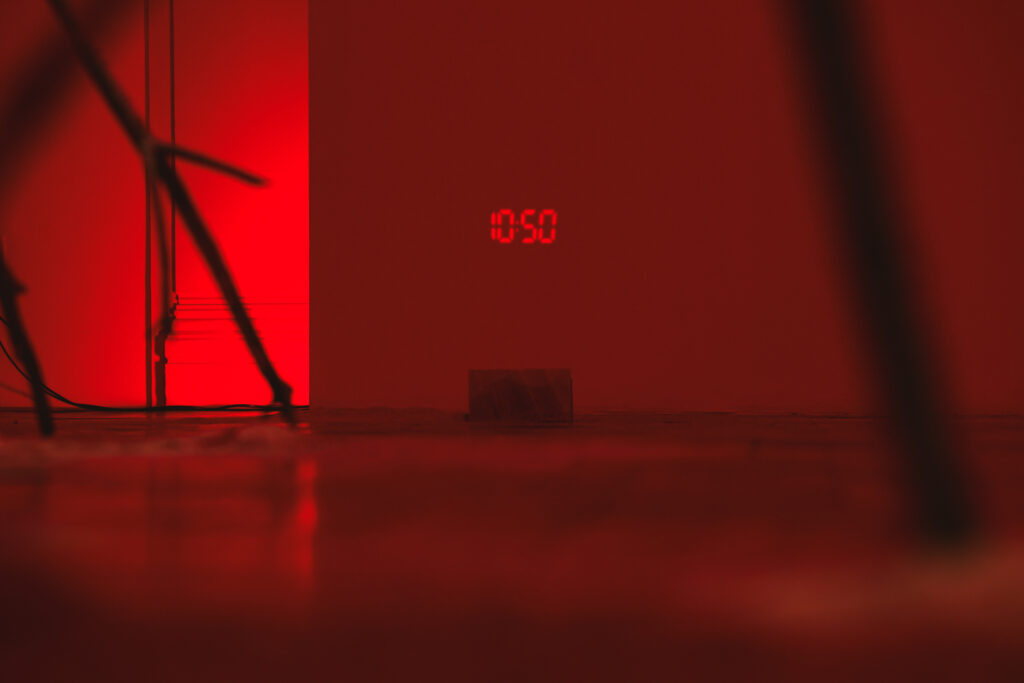
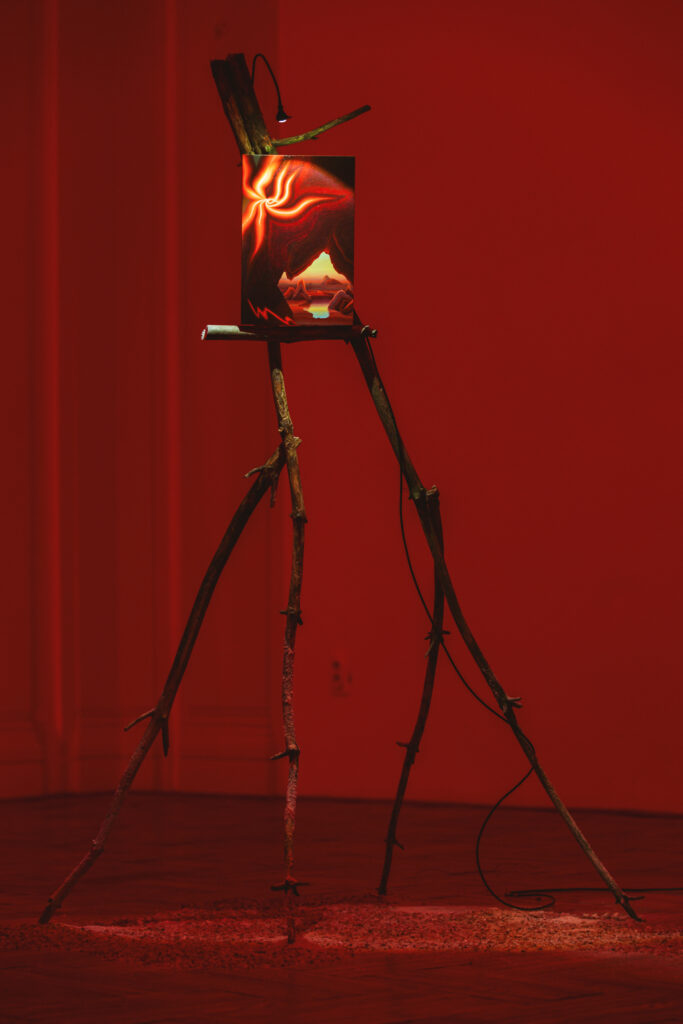
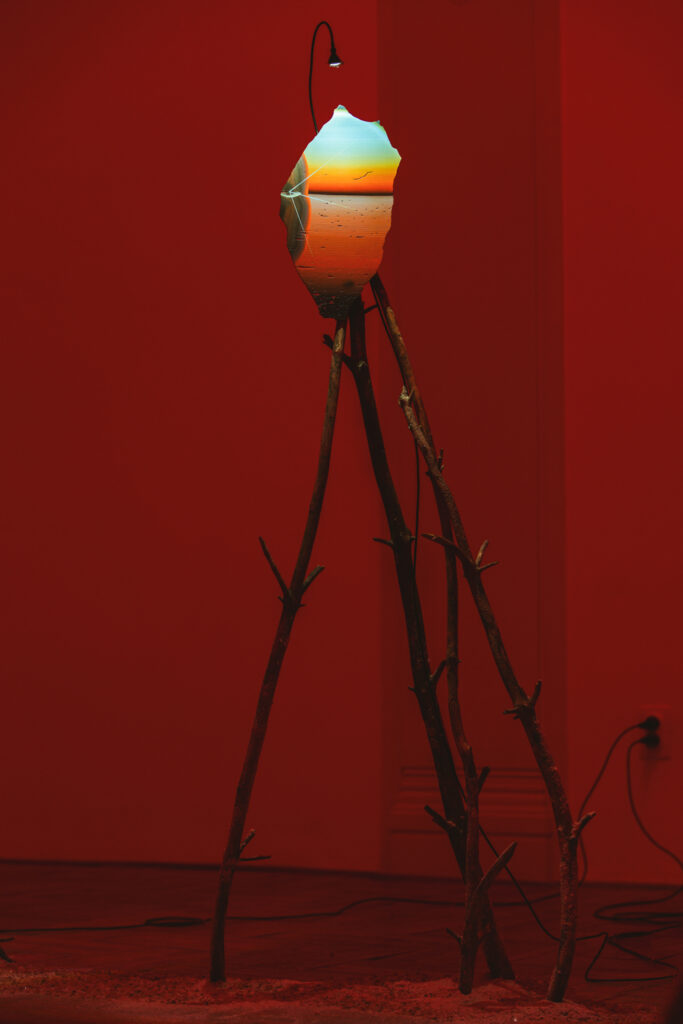
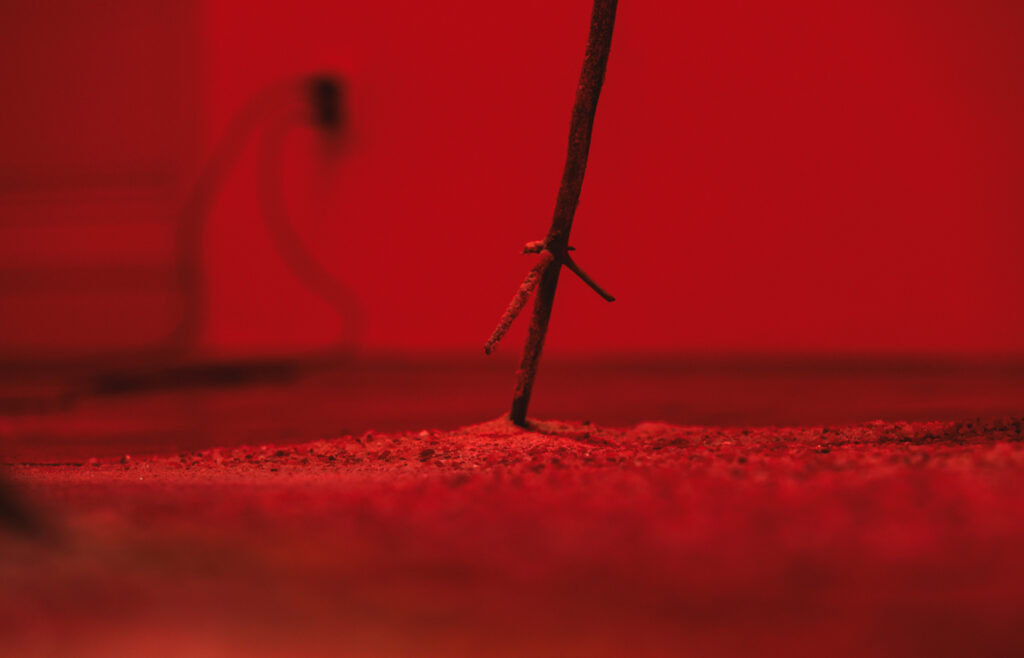
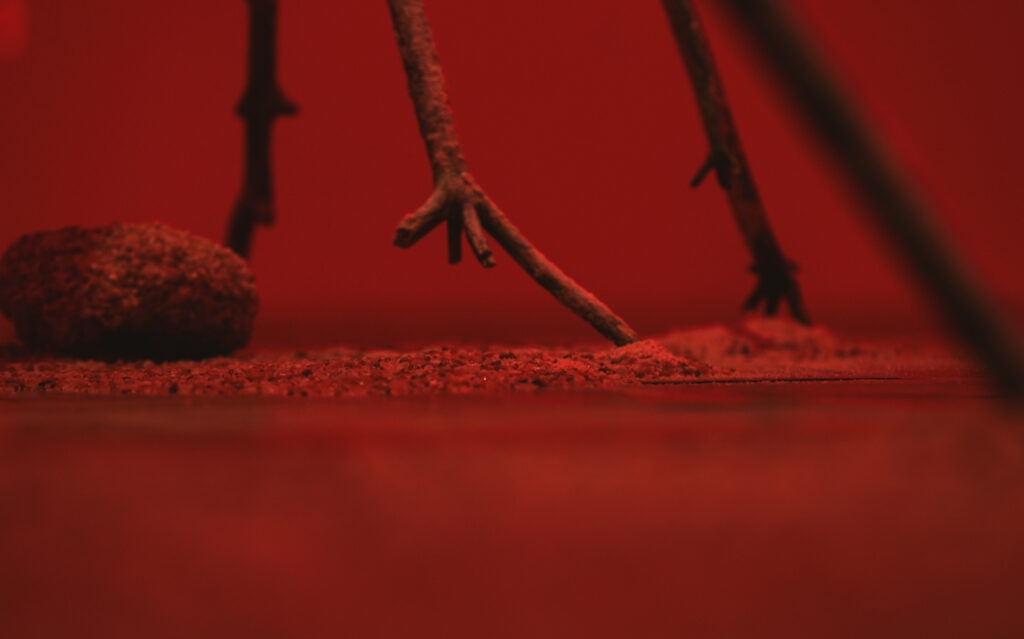
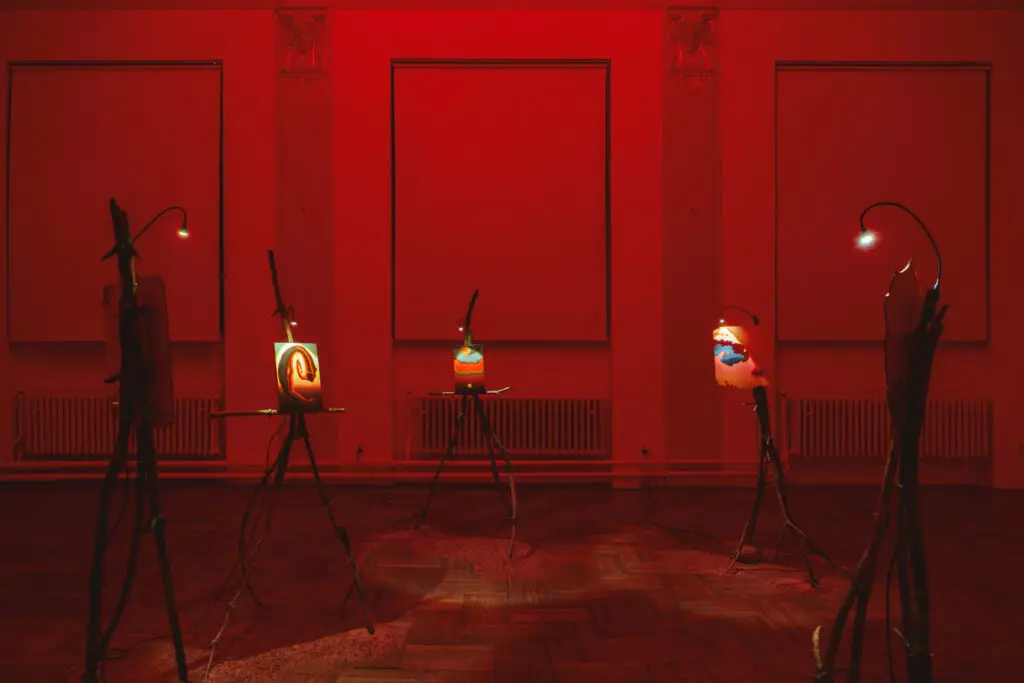
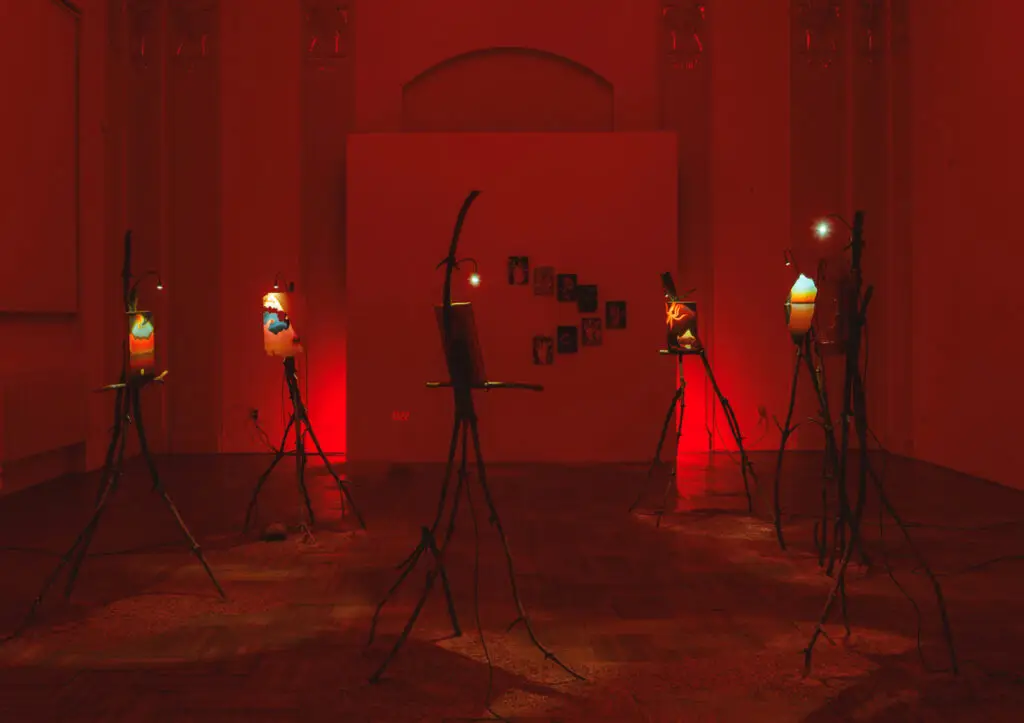
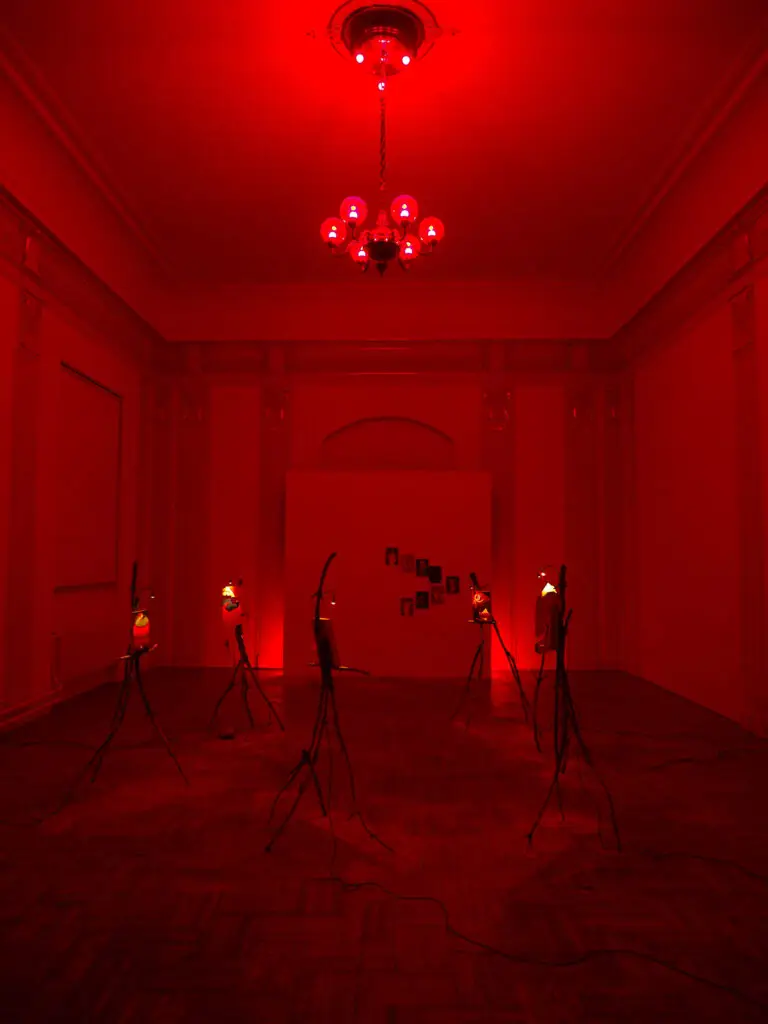
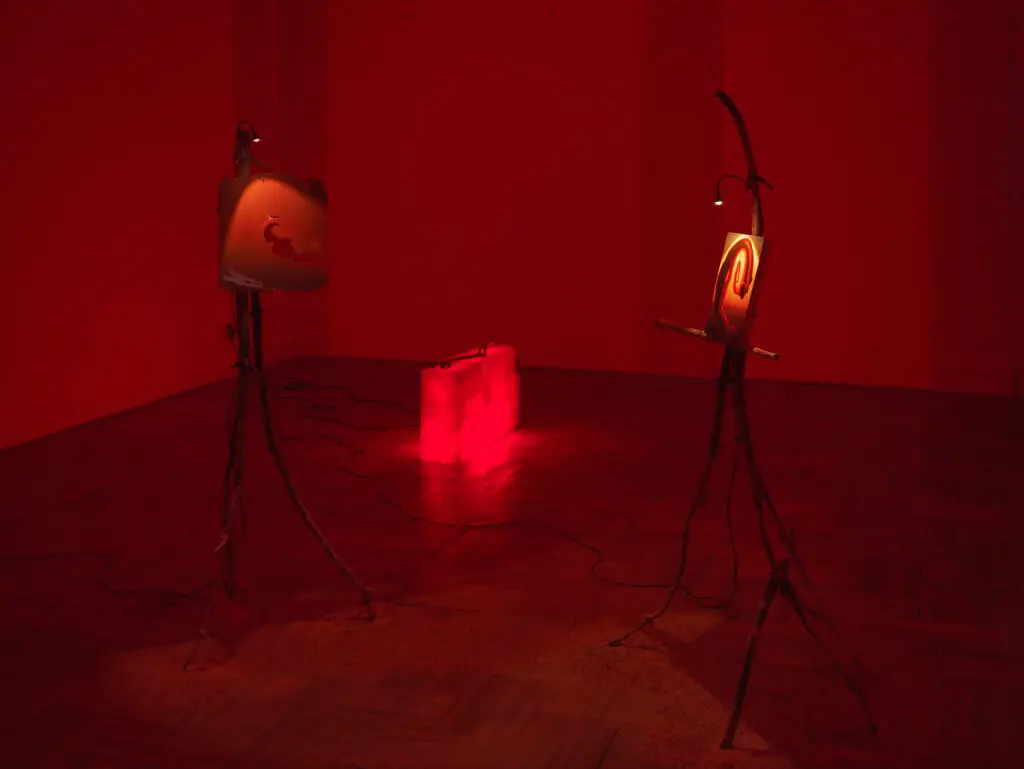
If the earth hides the remains of our ancestors—layers of their bodies, sins, the violence of history and years—then water is liquid forgiveness. A soothing presence that works always and everywhere. It is a good mother who will one day return to Mars.The first part of the series Three Stigmata opens a narrative about time, which—both in the novel by Philip K. Dick and in the art of Šárka Koudelová—plays a key role. For the purposes of the exhibition, an installation was created referencing the environment of the Red Planet, where a day—called a Sol on Mars—lasts slightly longer than a day on Earth.