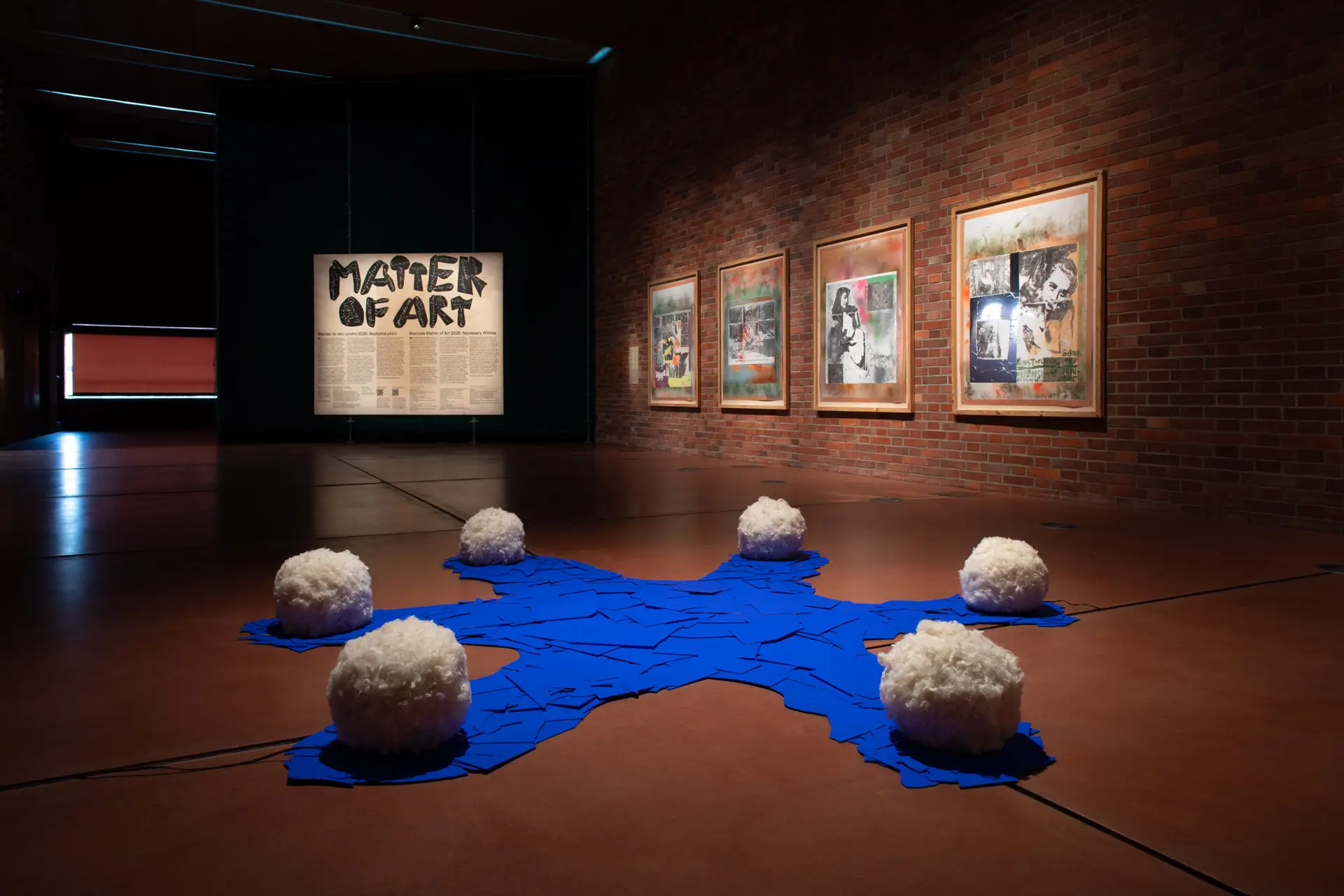
Artists: Ștefan Bertalan, Cezary Bodzianowski, András Cséfalvay, Nosrat Karimi, Seba Kayan, Anne-Mie Van Kerckhoven, Běla Kolářová, Isadora Neves Marques, Margaret Raspé, Alex Sihelsk*, Fedir Tetyanych, Liliana Zeic
Title:
Curator: František Fekete, Jakub Gawkowski, Jaroslava Tomanová
Venue: Necessary wishes
Photos: Jonáš Verešpej
“Now in its fourth year, the Biennale Matter of Art is cementing its position on the cultural map of central and eastern Europe. At the biennale, both local and international audiences can discover what is currently shaping the art scene and public discourse,” says Tereza Stejskalová, director of the initiative for contemporary art tranzit.cz and artistic director of the biennale. Since 2020 the biennale has been presenting artistic practices that reflect the contemporary world and offer unexpected approaches to understanding our own history and the pressing questions of today. Besides works created here and now, visitors of the biennale will find art from the past that in some way speaks to the present. “This dialogue with history is not an end in itself. Its purpose is to seek out alliances across time and to create a space for the voice of culture and art—a space which ultimately addresses the most fundamental human rights, including those that have, at various times, been unfashionable or neglected: freedom of speech, the right to a home, the right to culture, the right to dignified treatment, social rights, women’s rights,” adds Stejskalová.
The curatorial concept for the biennale is the result of the collective work of this year’s curatorial team, consisting of František Fekete, Jakub Gawkowski, and Jaroslava Tomanová. It draws on the notion of necessity as the vital force and political guiding principle behind one’s decisions. Art as a necessity appears as neither an aesthetic choice, a commodity, nor a professionalized activity but rather as an instinctive, embodied response to lived conditions—something unavoidable and embedded in the very structure of daily life and its politics. “Necessity may take the form of protest—as a means of survival and a manifestation of life—but it may also appear as an intimate gesture, an escape from visibility, or a turning inward toward the self. This year’s biennale proposes artistic form as a vehicle for solidarity and compassion, functioning as a carrier, proxy, and instrument for strengthening insurgent communities as much as addressing personal urgency. These practices sustain relationships from within, amplify silenced voices, and nourish hope by calling allies to action in response to oppression. Necessity is about learning to live with contradictions, embracing an irresistible rhythm, and navigating the choreographies of limitations. Art born of necessity is thus also an art of the poetics of reduction, involving not-doing as well as practices of restraint, refusal, boycott, and withdrawal,” the curators say in a joint statement.
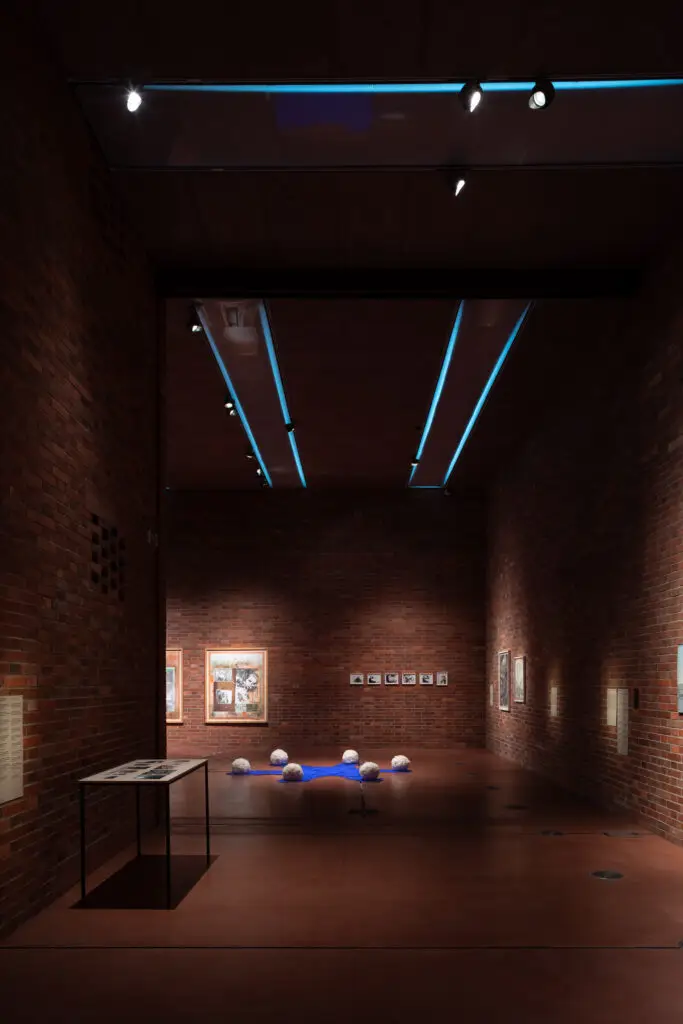
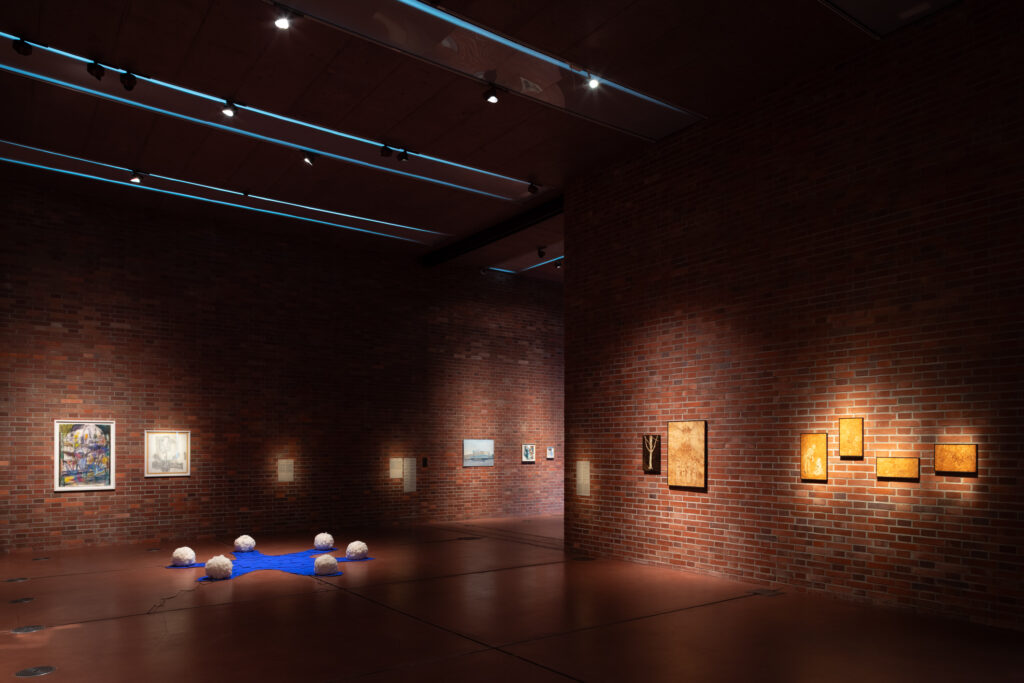
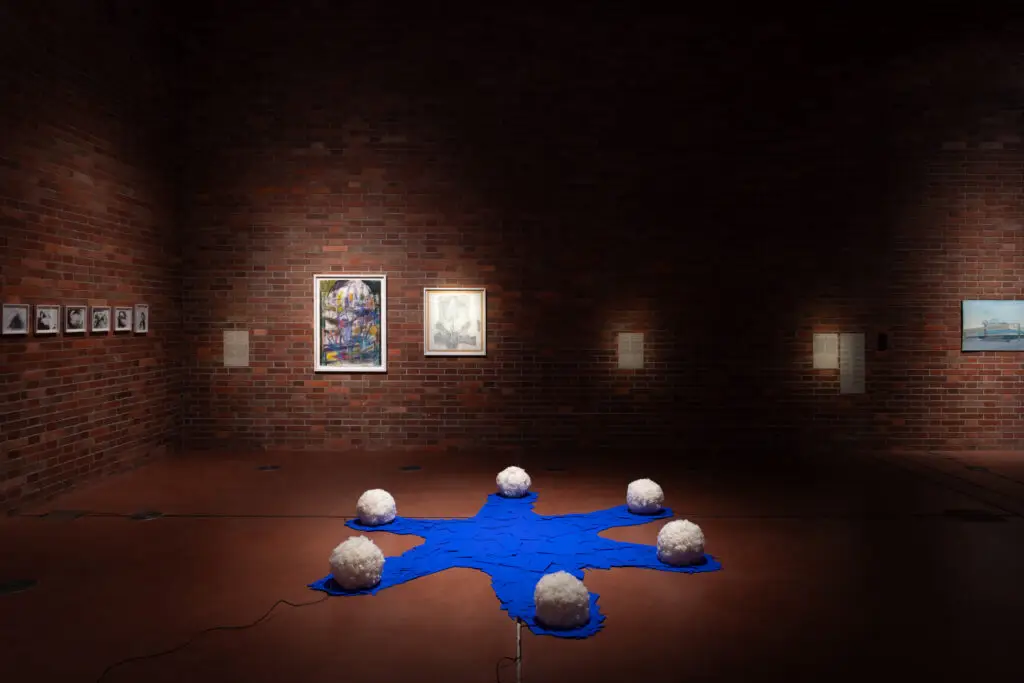
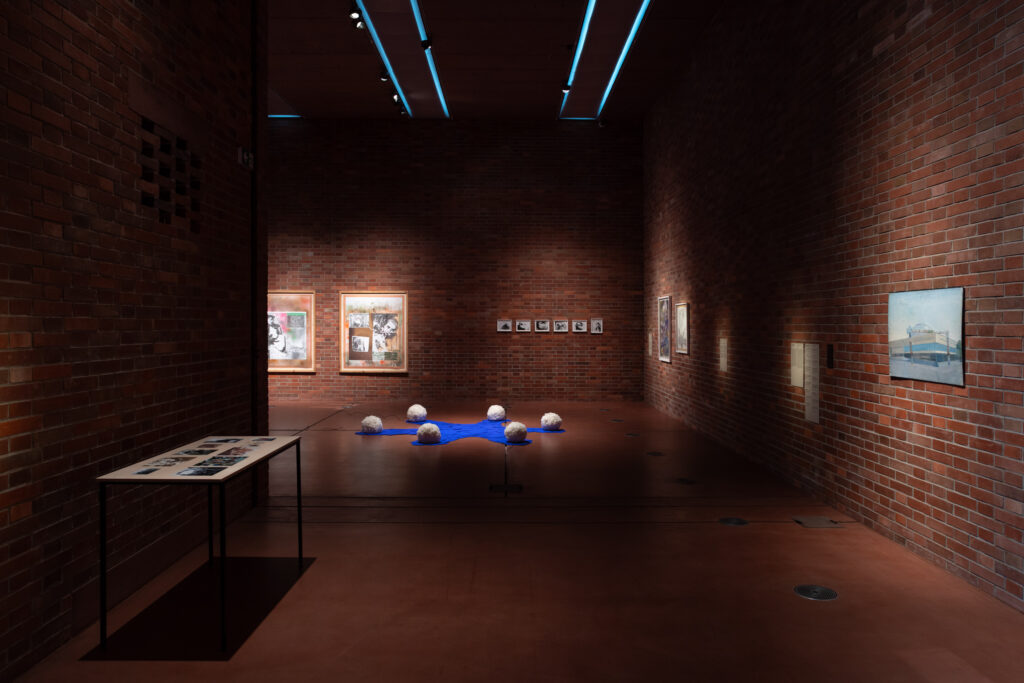
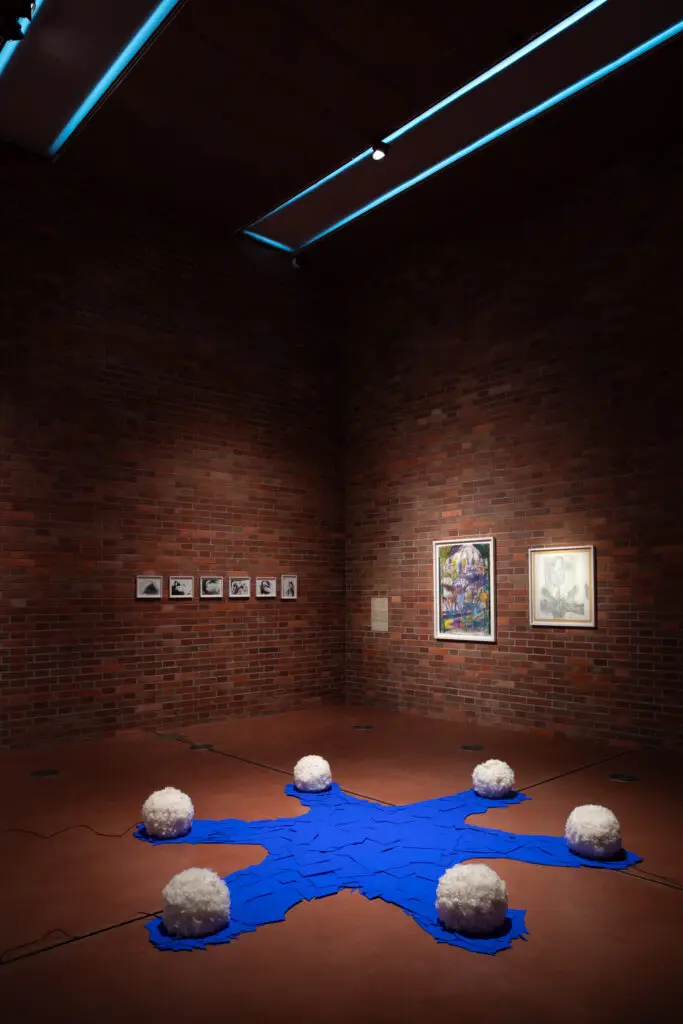
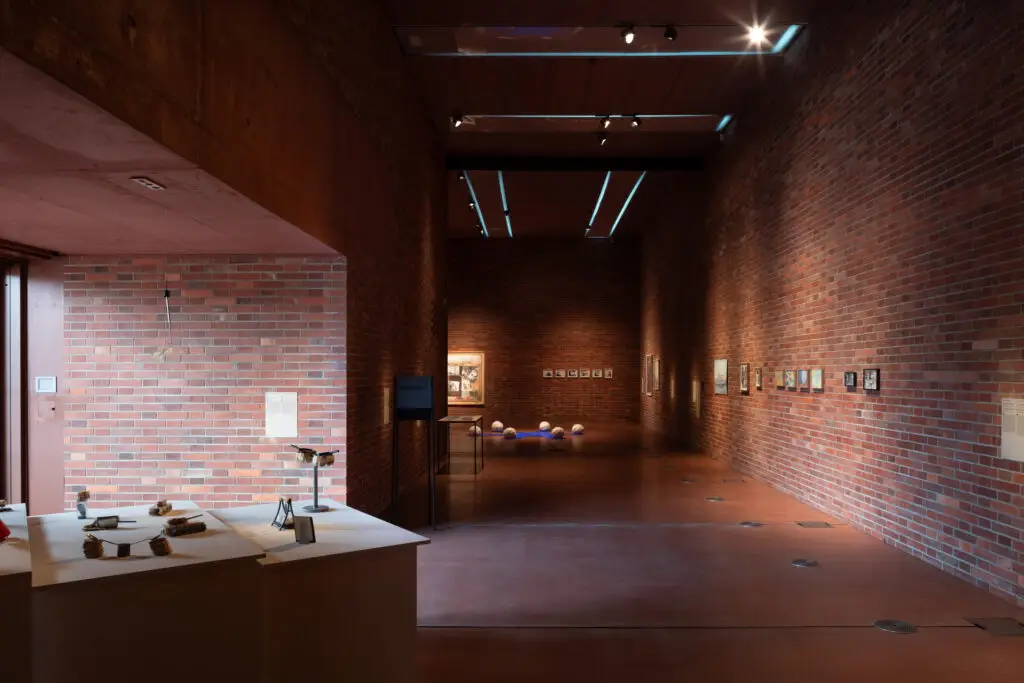
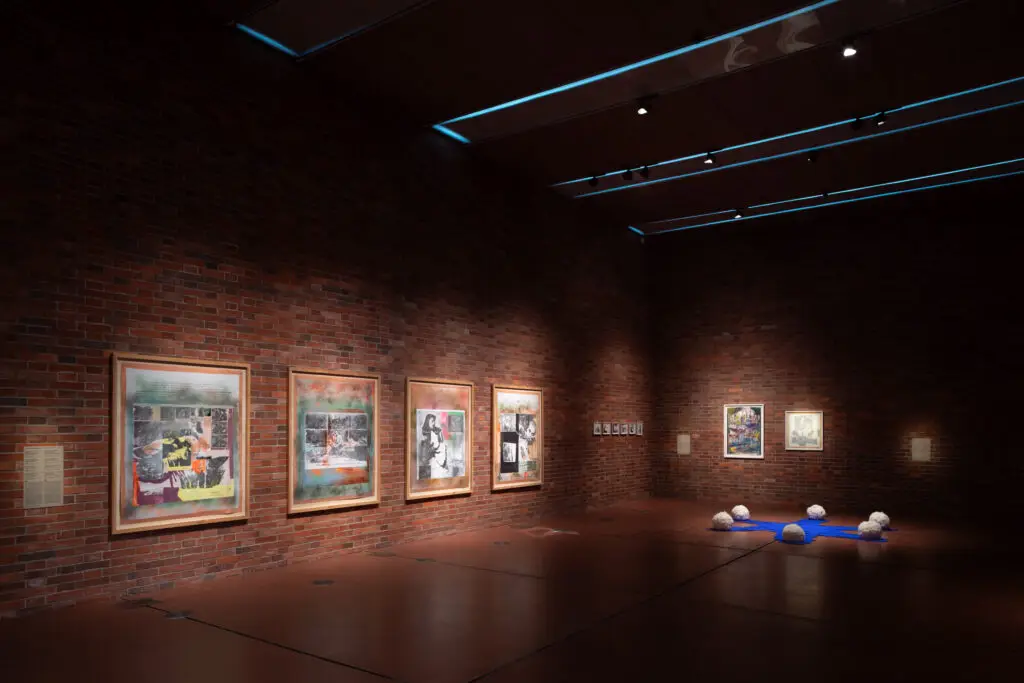
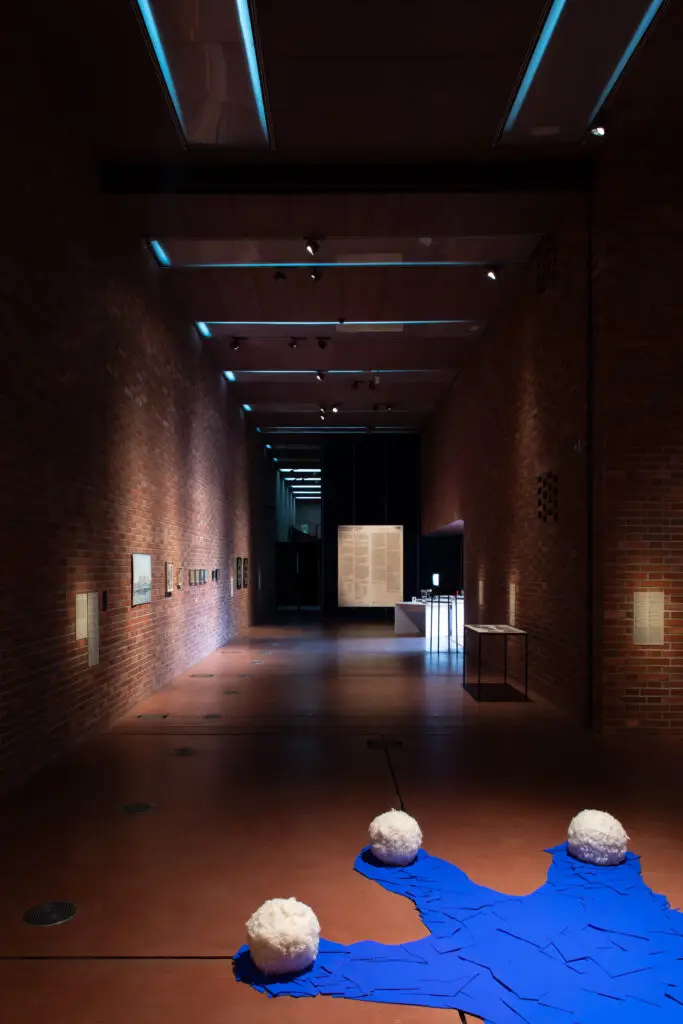
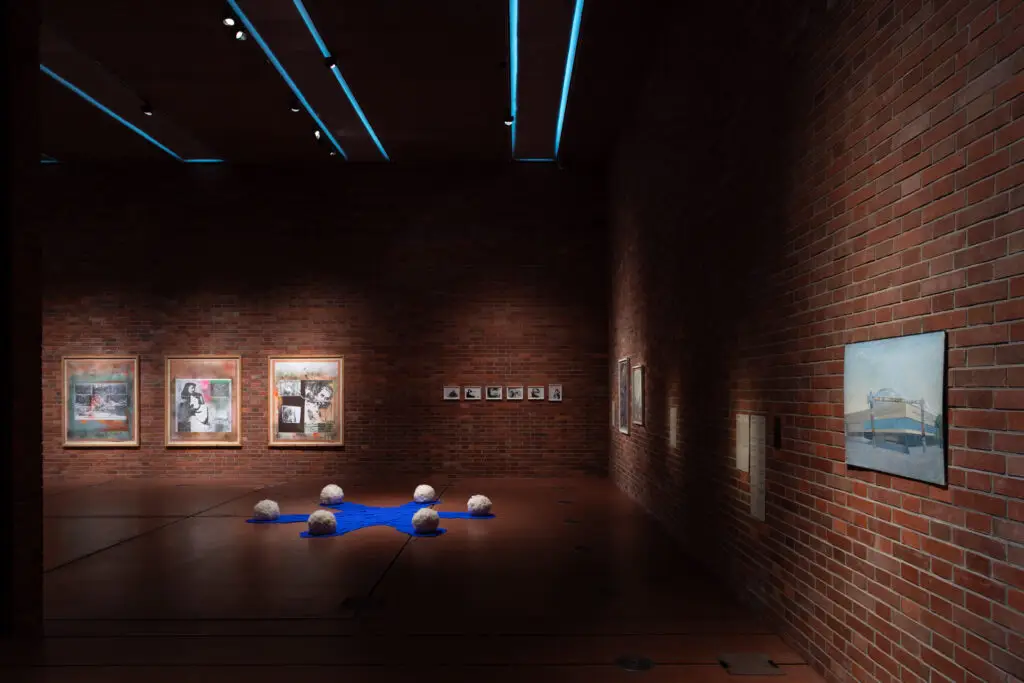
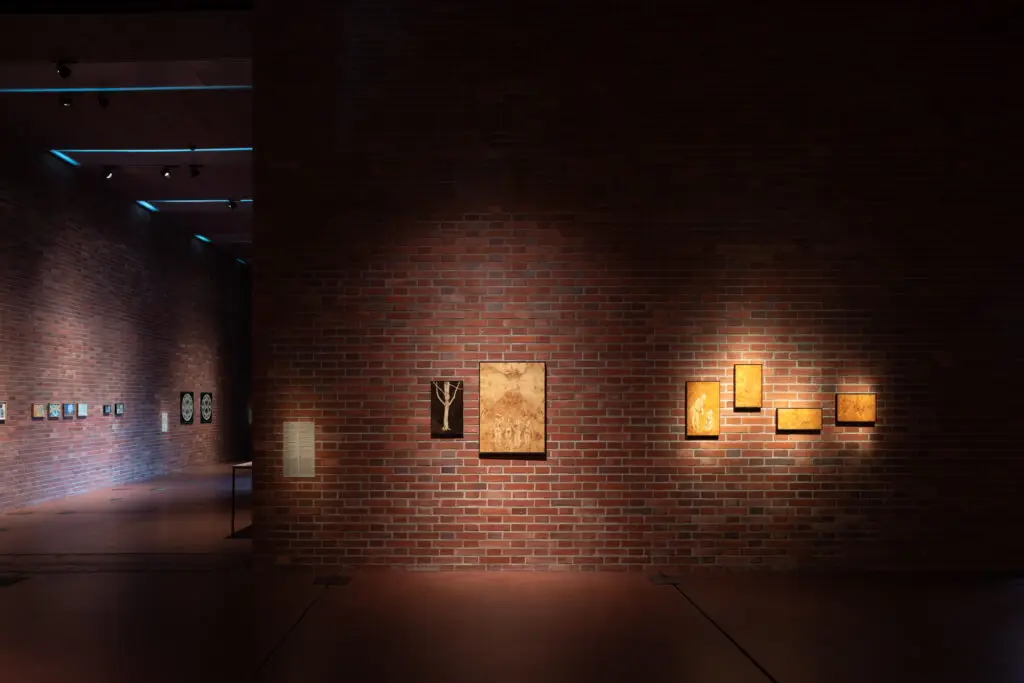
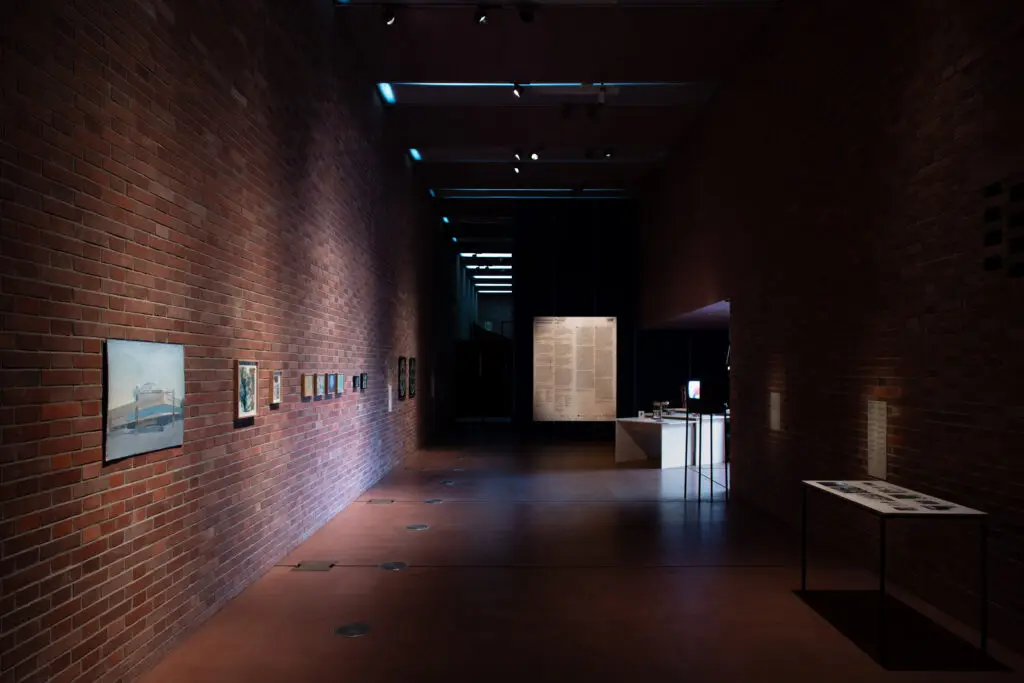
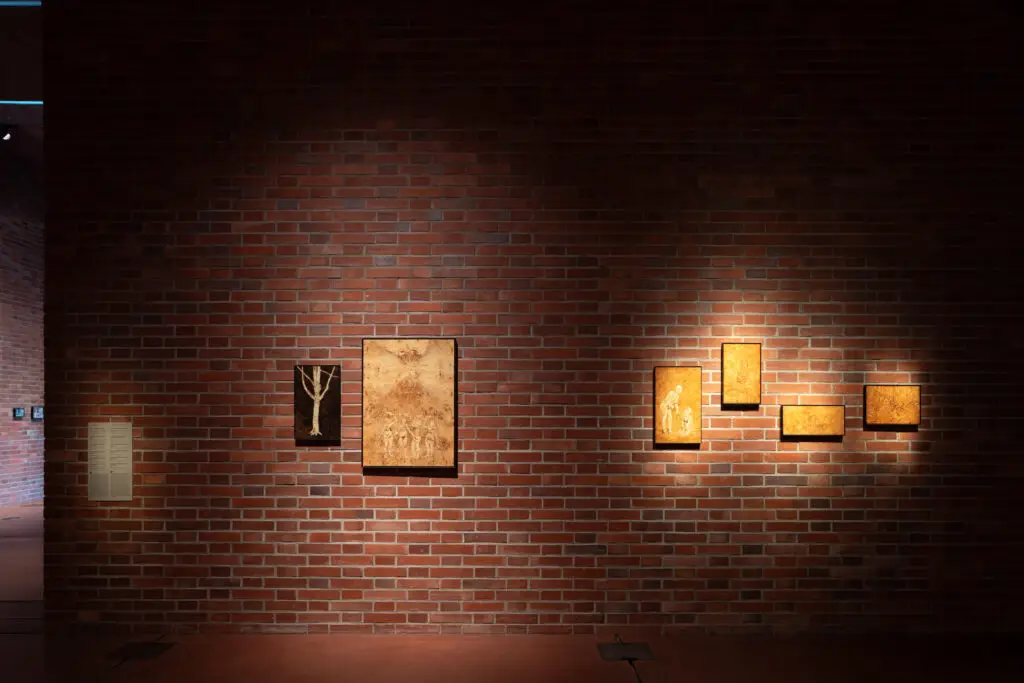
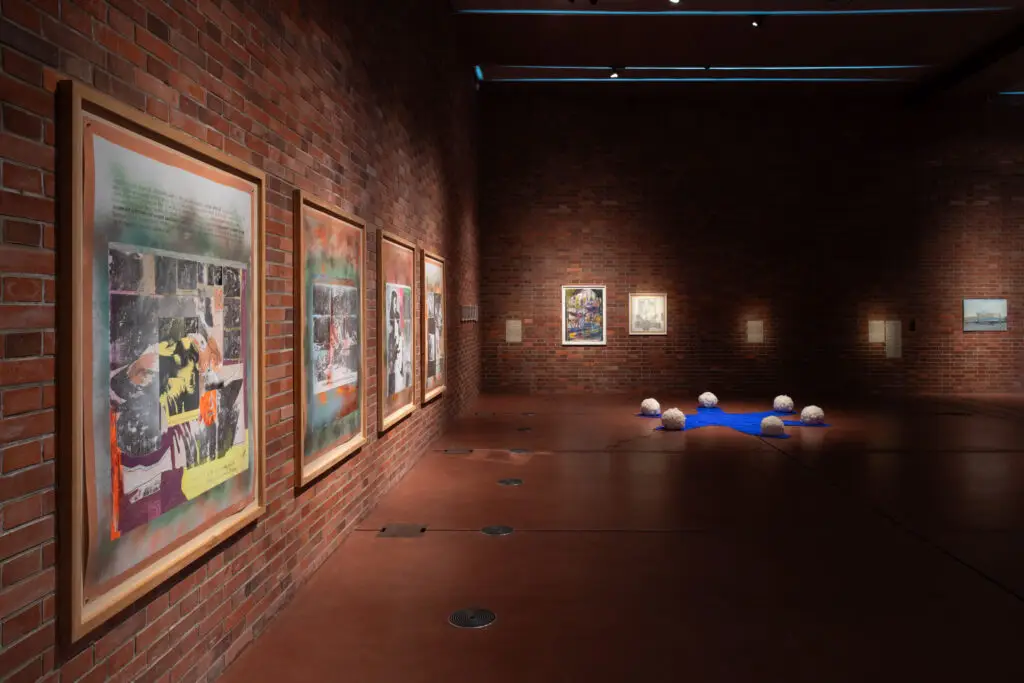
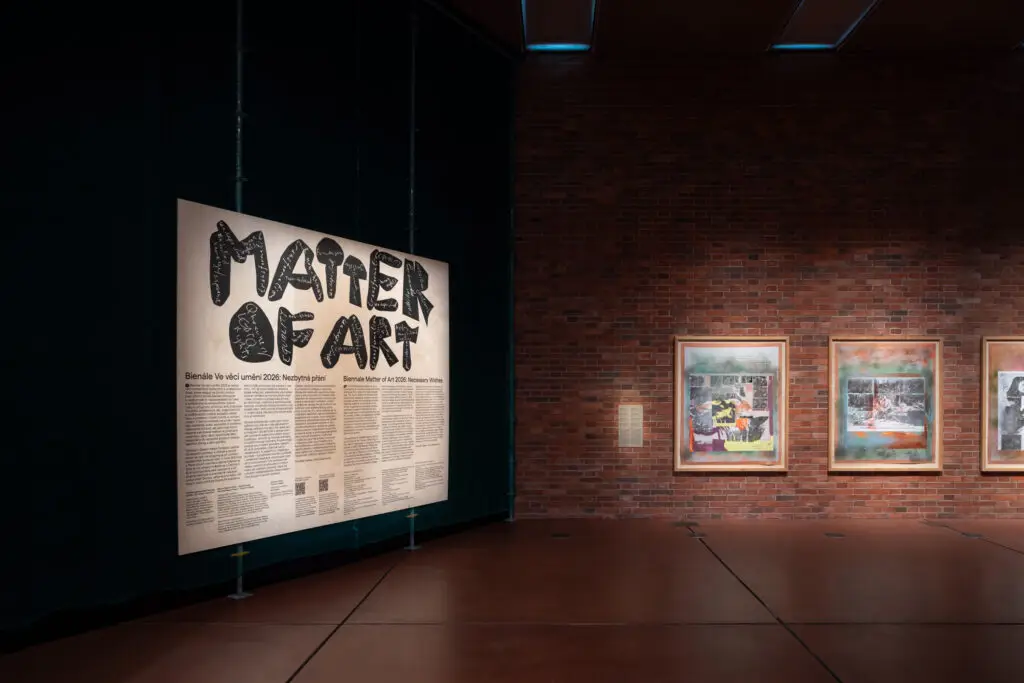
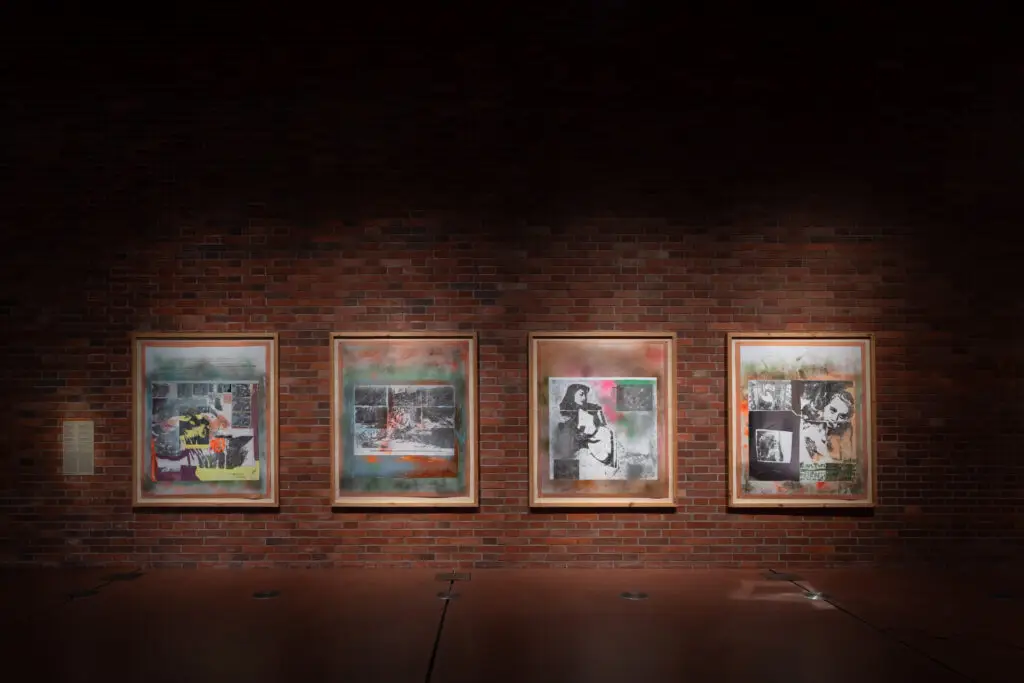
The exhibition at GAMPA Pardubice is an integral part of the biennale as a whole, while expressing a singular idea of art as a form of world-making. Here, visions of the future are explored through social, political, and artistic imagination. The film by Alex Sihelsk* is based on ideas about a society of the future run on solar energy, where different animal species understand one another. In the film, we follow the character of a queer herdswoman who wanders the landscape with her flock, inducing a holistic spiritual vision through which she then understands how to use energy resources in a sustainable manner. Ștefan Bertalan was one of the most significant figures of the Romanian neo-avant-garde. His art focuses on research and process, with nature as its central theme. The photographs exhibited at GAMPA document the development of a bean plant from a seed to a grown plant—a metaphor for human existence. Fedir Tetyanych was a visionary artist who worked across painting, sculpture, and performance. He was influenced by cosmism, cybernetics, rural Ukrainian traditions, and ecology. Born in 1942 in Kniazhychi near Kyiv, he used ideas from science fiction and scientific research as well as Ukrainian folk traditions, cosmologies, and history. Anne-Mie Van Kerckhoven has been a pioneer of computer and media art since the 1970s. She reflects on science’s constant search for proof of things that researchers are convinced exist. The series of paintings presented in the biennale is inspired by George Boole—the mathematician who invented Boolean algebra, the system of true and false that became the basis of modern computing and artificial intelligence.
The City Gallery Pardubice (GAMPA) is a distinct space for contemporary art in the city of Pardubice, situated an hour from Prague by train. Since 2023 it has been located in the Automatic Mills, with expanded spaces, an educational center, artist residencies, and workshop facilities. It has developed an internationally recognized exhibition program that is firmly rooted in the regional context and serving the local community. The cooperation with GAMPA Pardubice marks the biennale’s first expansion outside the wider metropolitan area of Prague. The exhibition at GAMPA will run until September 26, 2026.