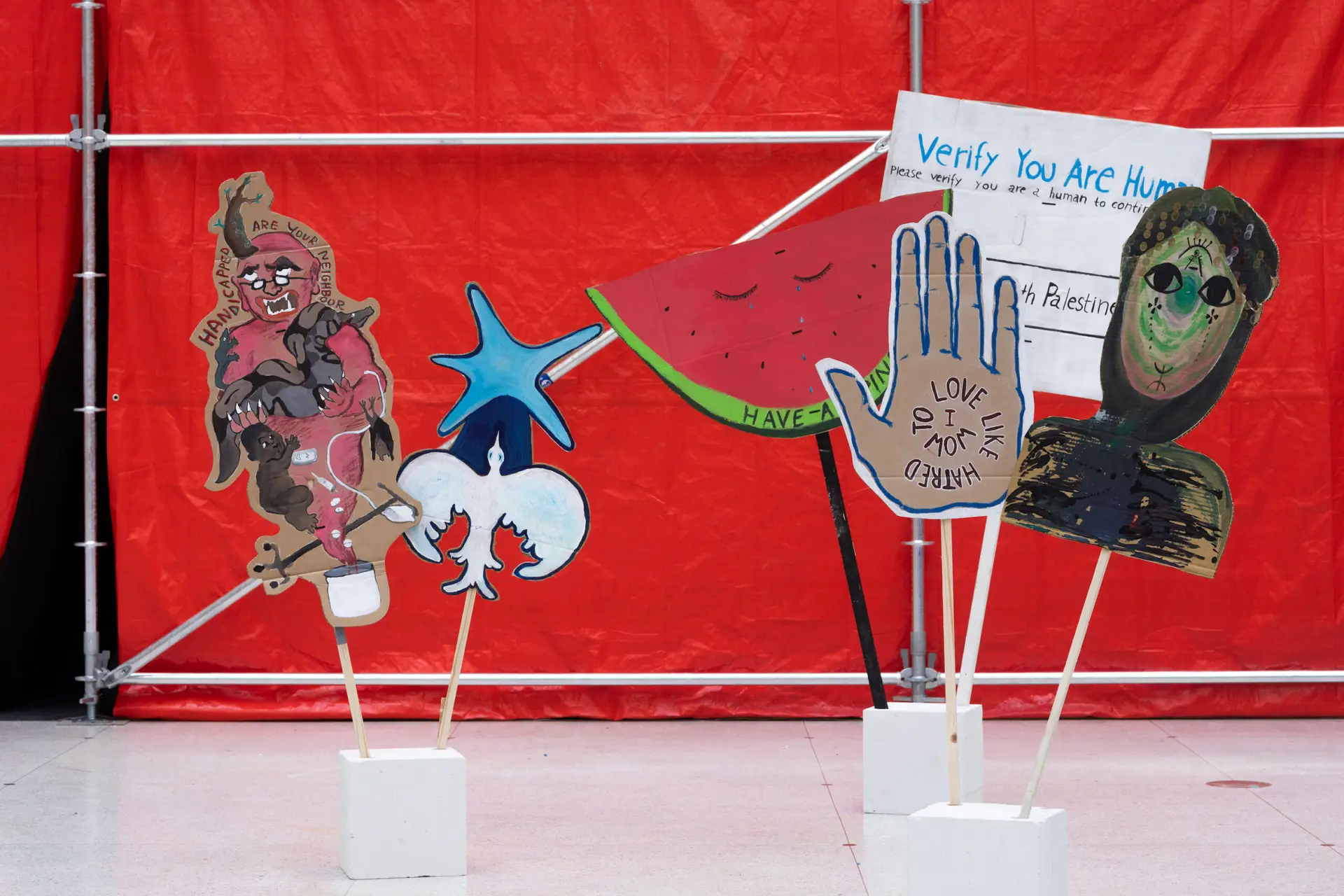
Artists: Artists: AntiGonna, Noor Abed, Szymon Adamczak, Željka Aleksić, Gleb Amankulov, David Apakidze, Yana Bachynska / Jan Bačynsjkyj, Jürgen Baldiga, Leila Basma & Zaher Jureidini, Rufina Bazlova / Stitch It Collective, Tina Bxtq, Michal Durda / Izbova teplota, Jan Durina, Fůd, Hana Garová, Ladislava Gažiová, Davyd Chychkan, Anne-Mie Van Kerckhoven, Adrián Kriška, kroužek intersekce, Nadia Markiewicz, Shabu Mwangi, Aron Neubert, Aliza Orlan, Bronislava Orlická & Zuzana Smrkovská, Taring Padi, Cezary Poniatowski, Publik Universal Frxnd, Margaret Raspé, Nour Shantout, Shella Radio, Felipe Steinberg, Alina Sokolova, Huda Takriti, Jiří Žák
Title: Necessary wishes
Curators: František Fekete, Jakub Gawkowski, Jaroslava Tomanová
Venue: National Gallery Prague
Photos: Jonáš Verešpej
“Now in its fourth year, the Biennale Matter of Art is cementing its position on the cultural map of central and eastern Europe. At the biennale, both local and international audiences can discover what is currently shaping the art scene and public discourse,” says Tereza Stejskalová, director of the initiative for contemporary art tranzit.cz and artistic director of the biennale. Since 2020 the biennale has been presenting artistic practices that reflect the contemporary world and offer unexpected approaches to understanding our own history and the pressing questions of today. Besides works created here and now, visitors of the biennale will find art from the past that in some way speaks to the present. “This dialogue with history is not an end in itself. Its purpose is to seek out alliances across time and to create a space for the voice of culture and art—a space which ultimately addresses the most fundamental human rights, including those that have, at various times, been unfashionable or neglected: freedom of speech, the right to a home, the right to culture, the right to dignified treatment, social rights, women’s rights,” adds Stejskalová.
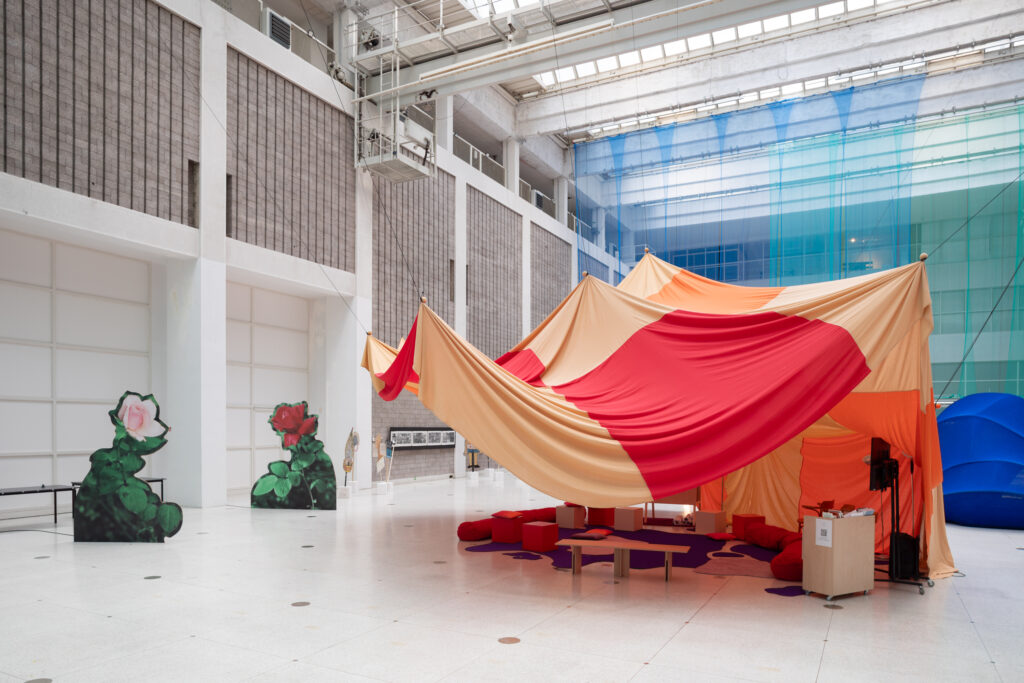
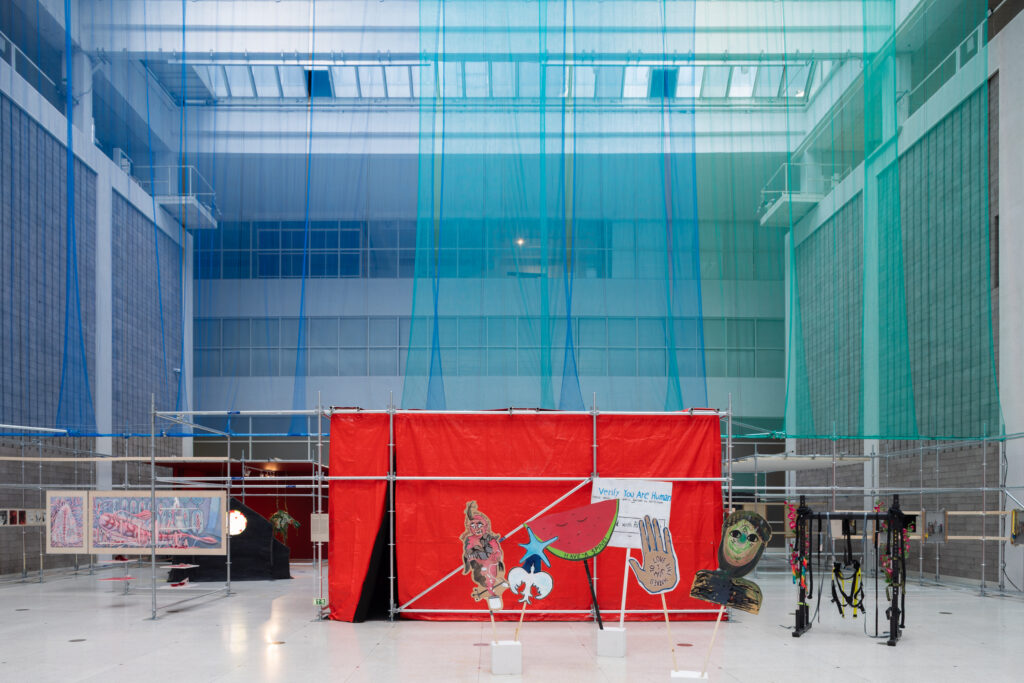
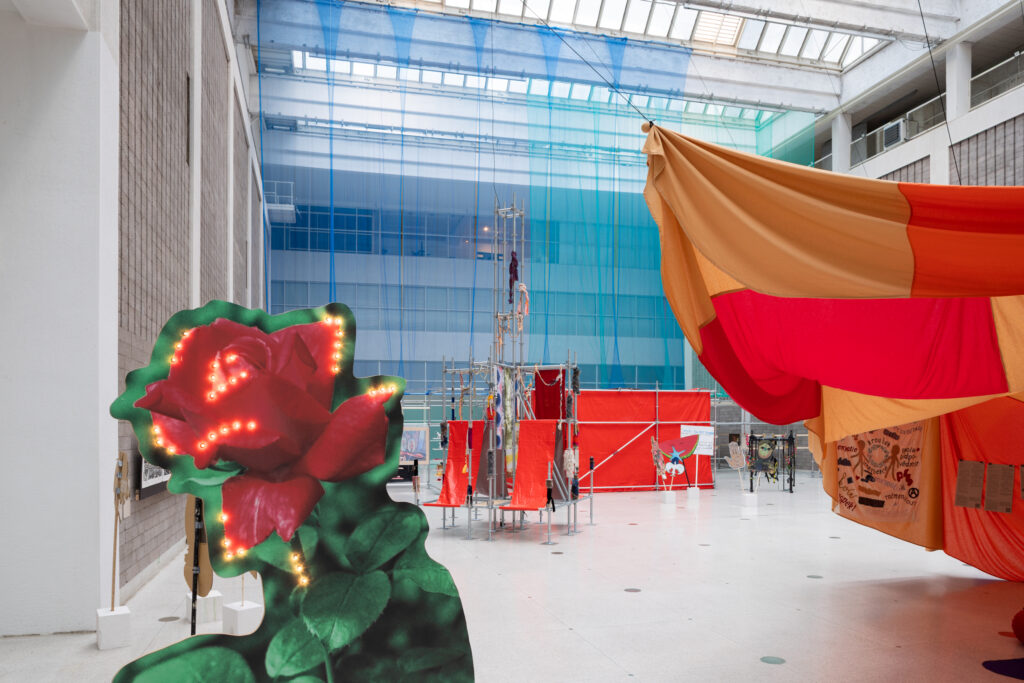
The curatorial concept for the biennale is the result of the collective work of this year’s curatorial team, consisting of František Fekete, Jakub Gawkowski, and Jaroslava Tomanová. It draws on the notion of necessity as the vital force and political guiding principle behind one’s decisions. Art as a necessity appears as neither an aesthetic choice, a commodity, nor a professionalized activity but rather as an instinctive, embodied response to lived conditions—something unavoidable and embedded in the very structure of daily life and its politics. “Necessity may take the form of protest—as a means of survival and a manifestation of life—but it may also appear as an intimate gesture, an escape from visibility, or a turning inward toward the self. This year’s biennale proposes artistic form as a vehicle for solidarity and compassion, functioning as a carrier, proxy, and instrument for strengthening insurgent communities as much as addressing personal urgency. These practices sustain relationships from within, amplify silenced voices, and nourish hope by calling allies to action in response to oppression. Necessity is about learning to live with contradictions, embracing an irresistible rhythm, and navigating the choreographies of limitations. Art born of necessity is thus also an art of the poetics of reduction, involving not-doing as well as practices of restraint, refusal, boycott, and withdrawal,”the curators say in a joint statement.
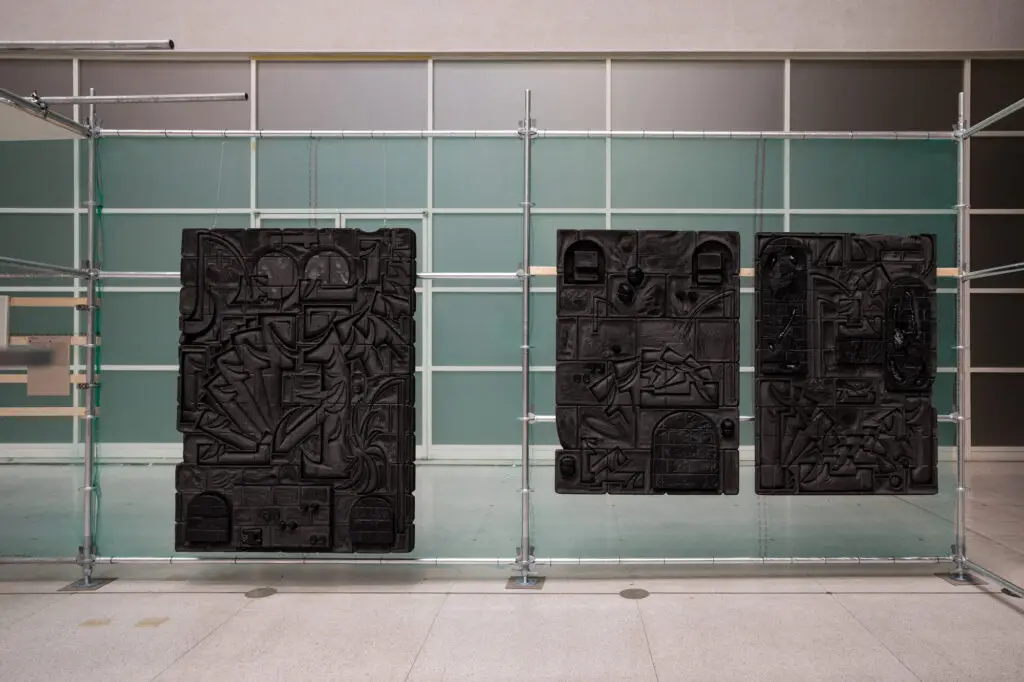
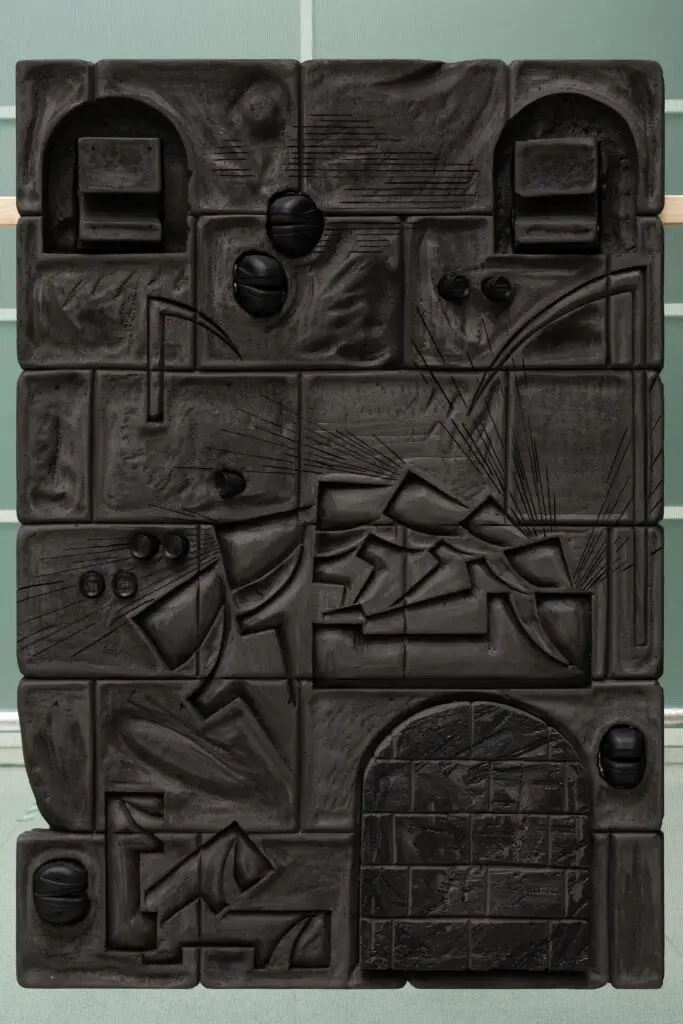
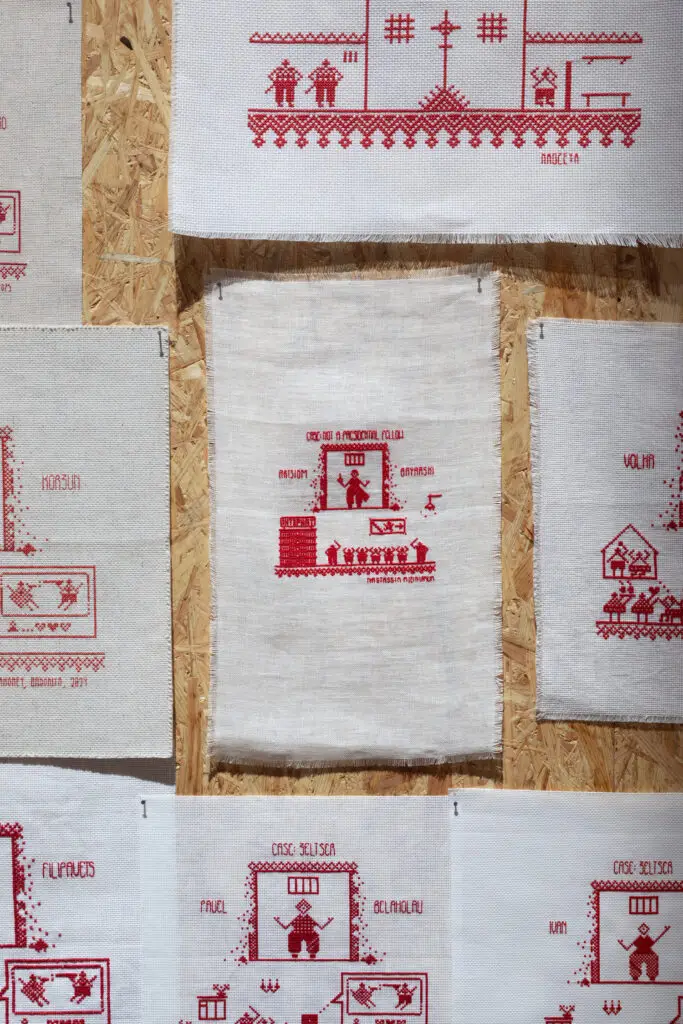
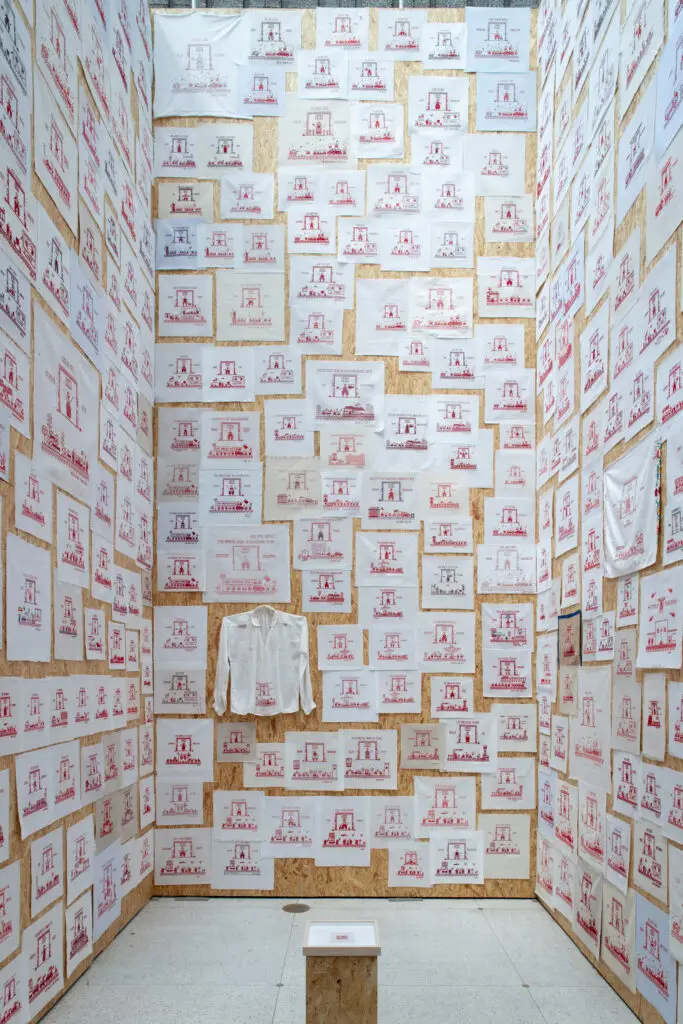
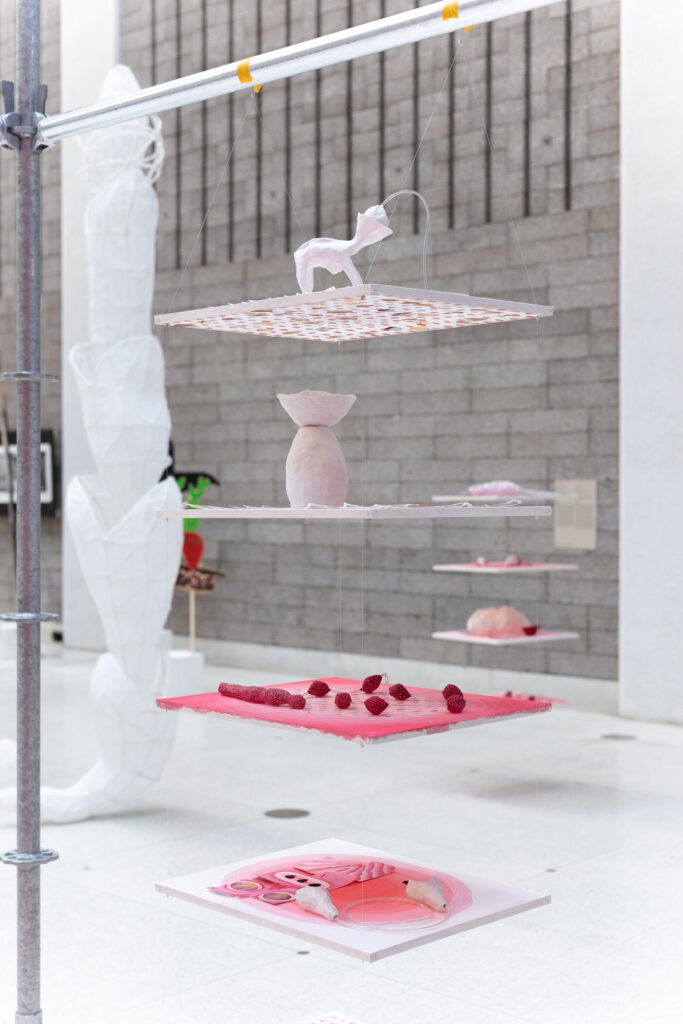
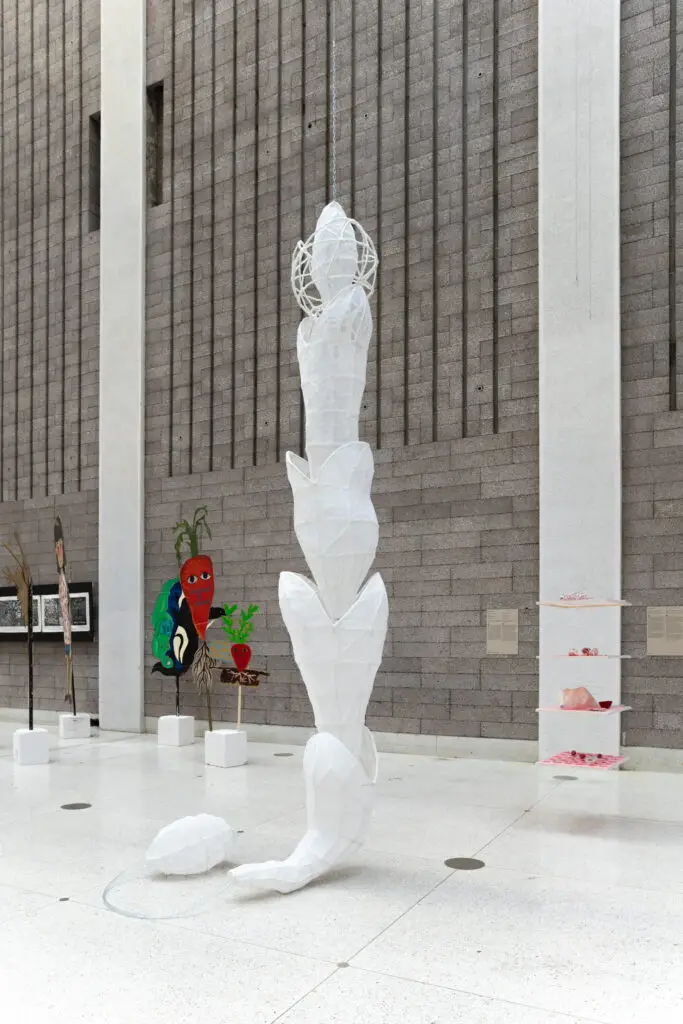
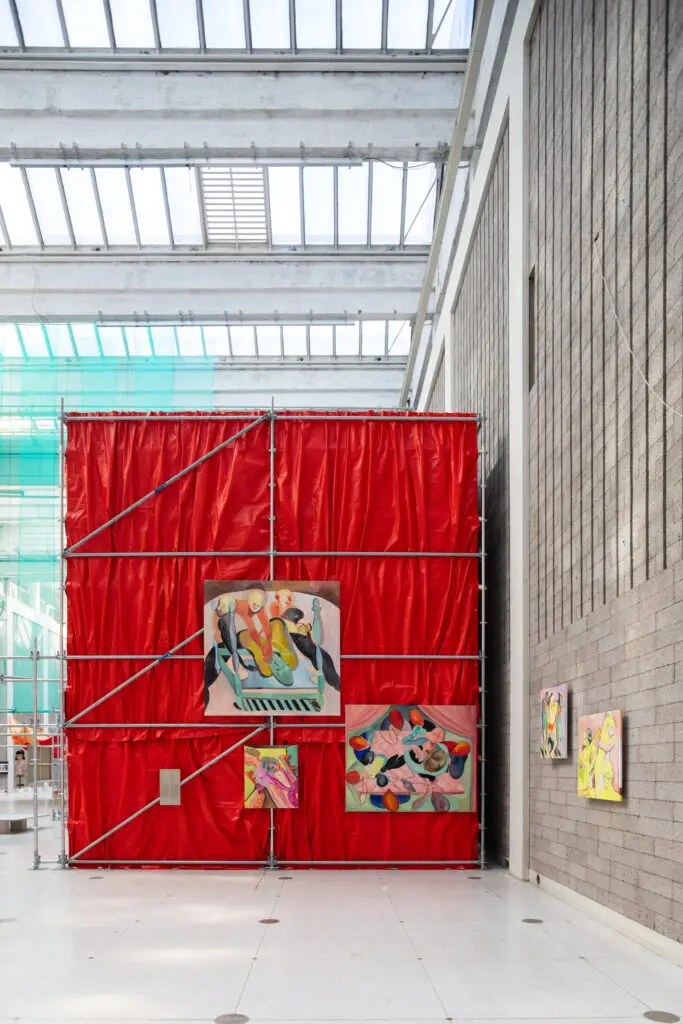
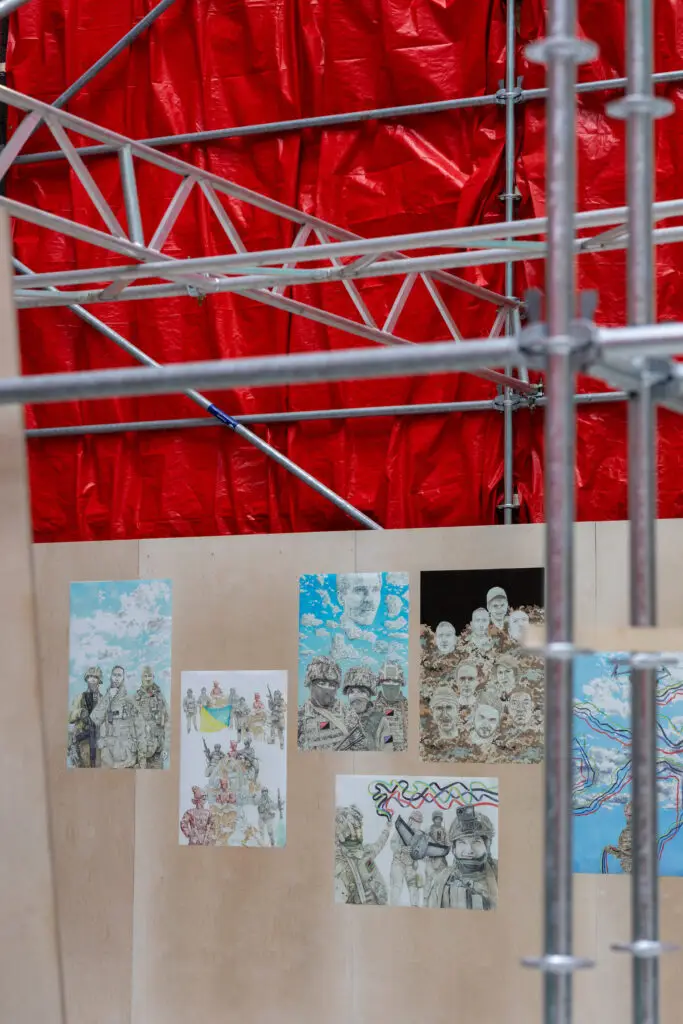
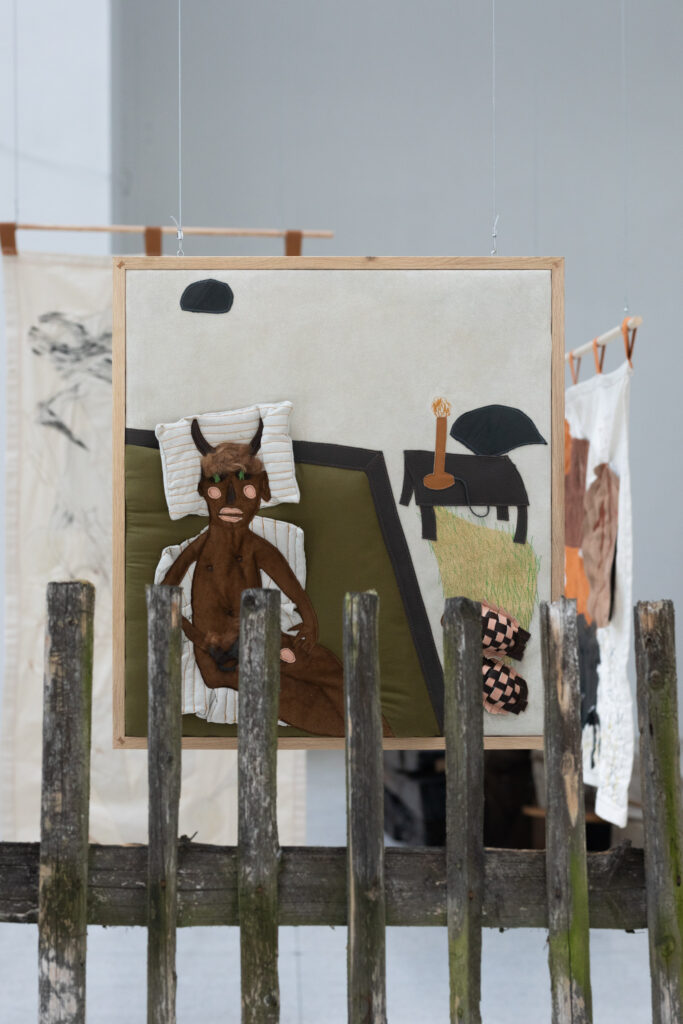
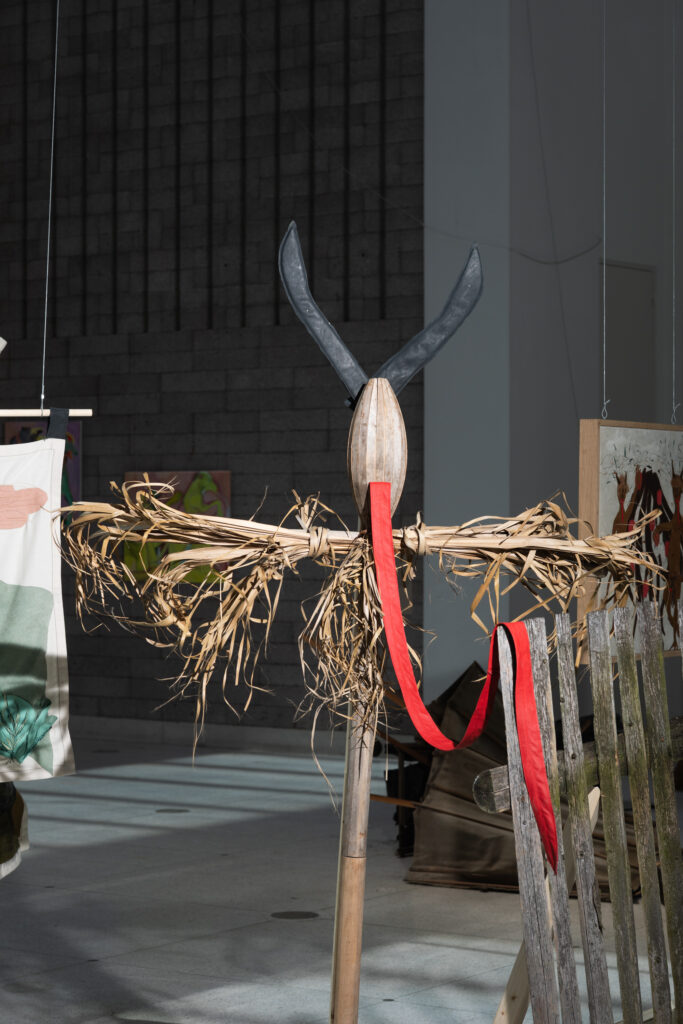
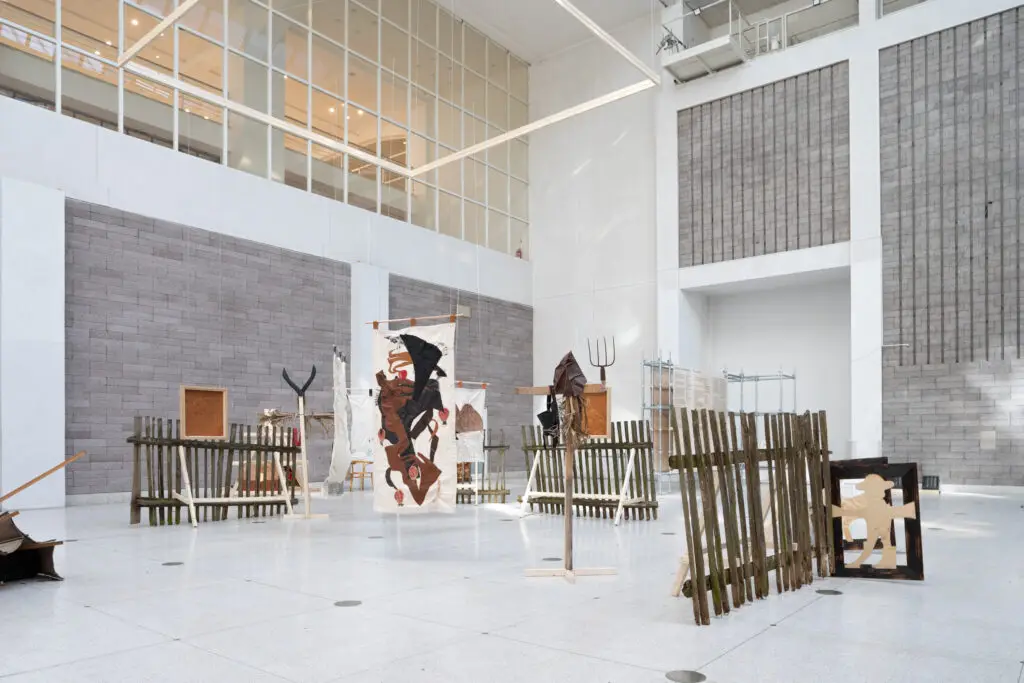
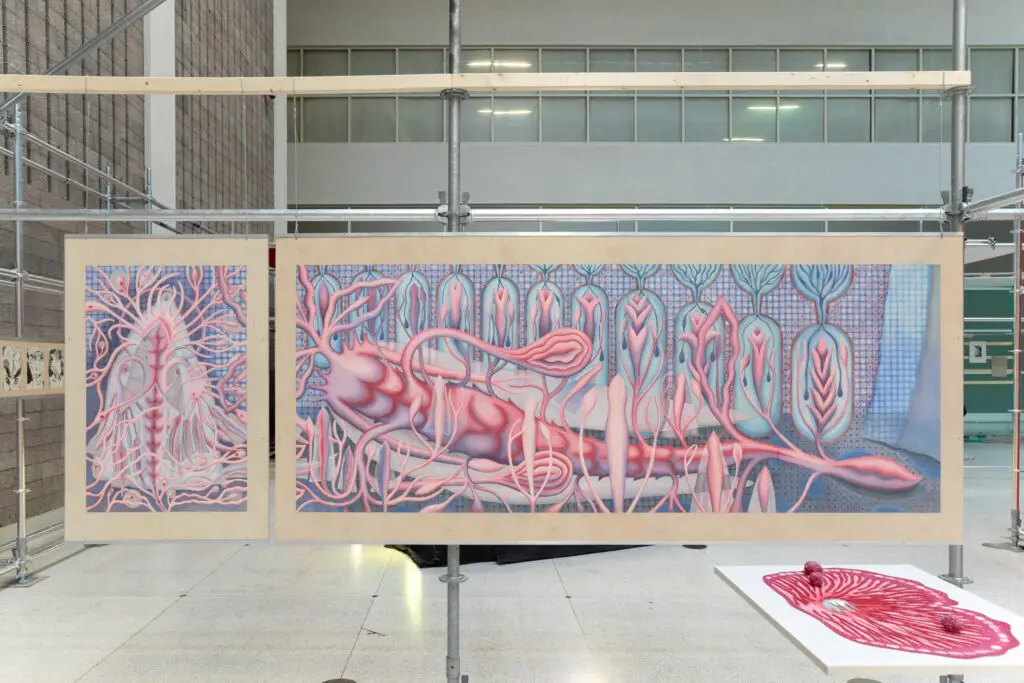
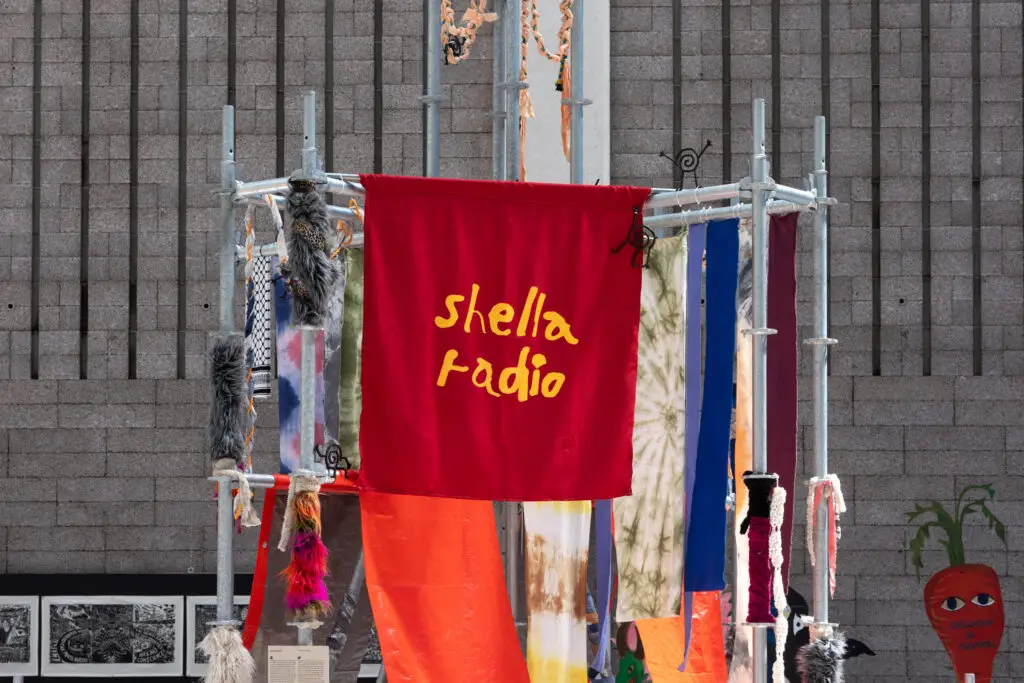
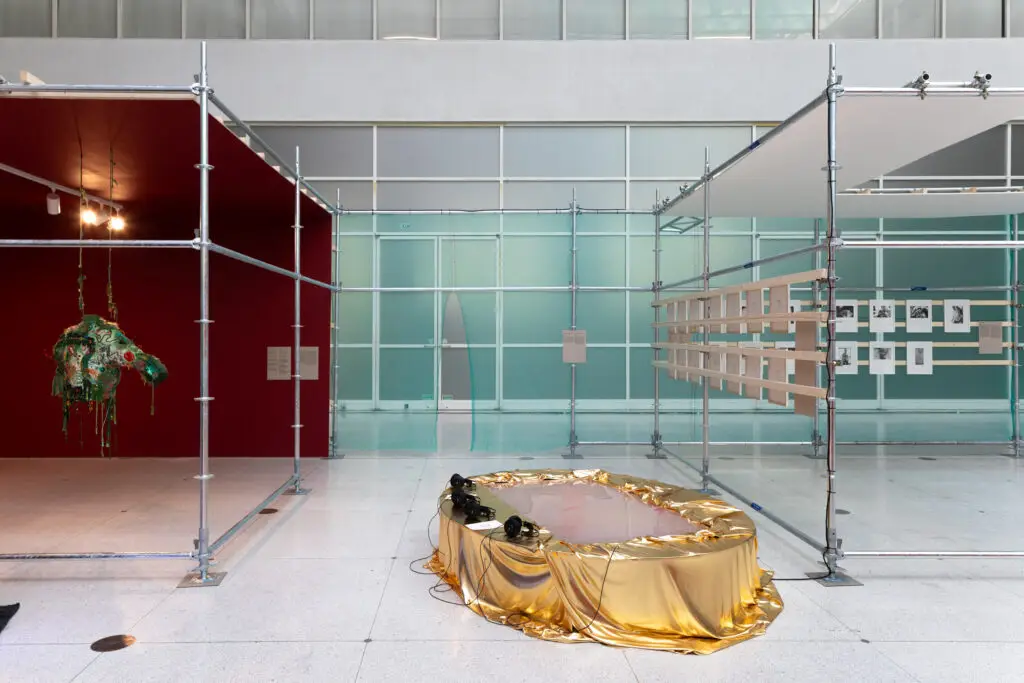
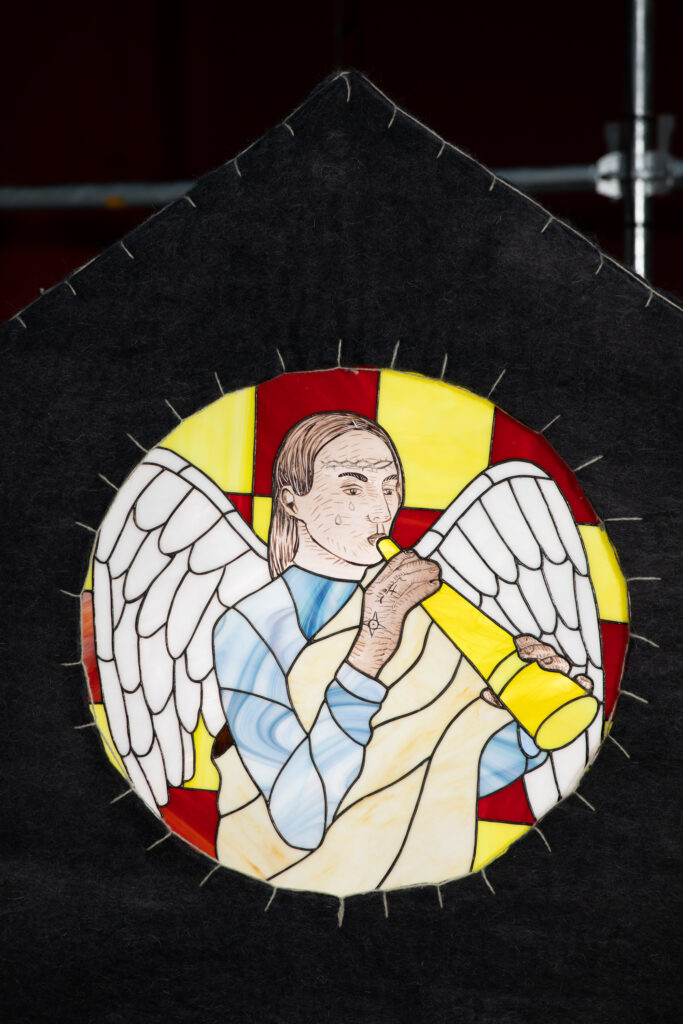
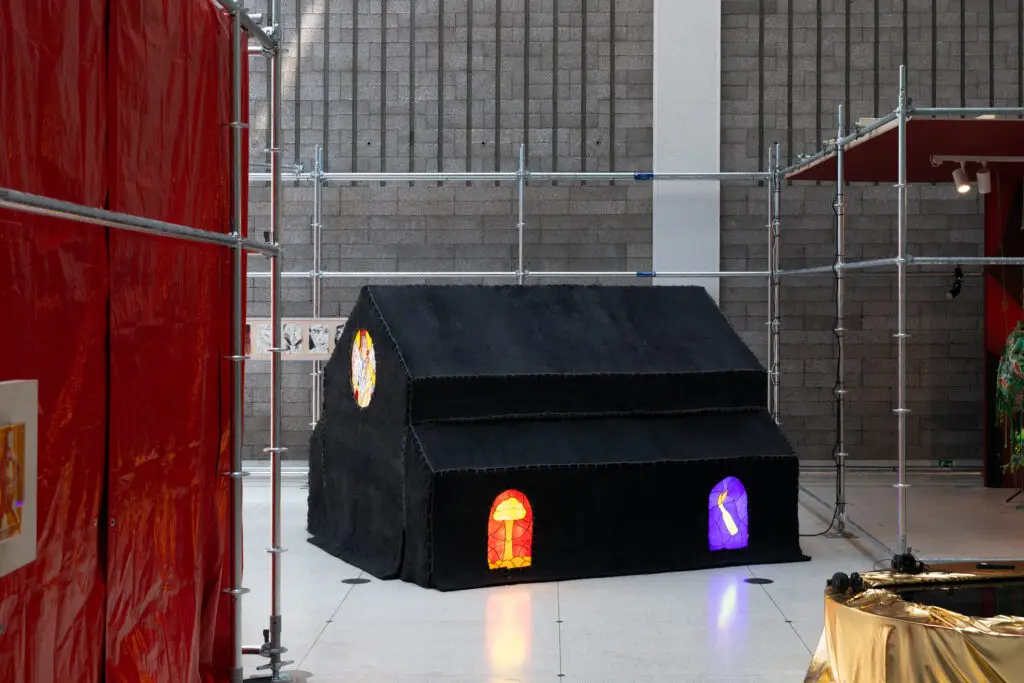
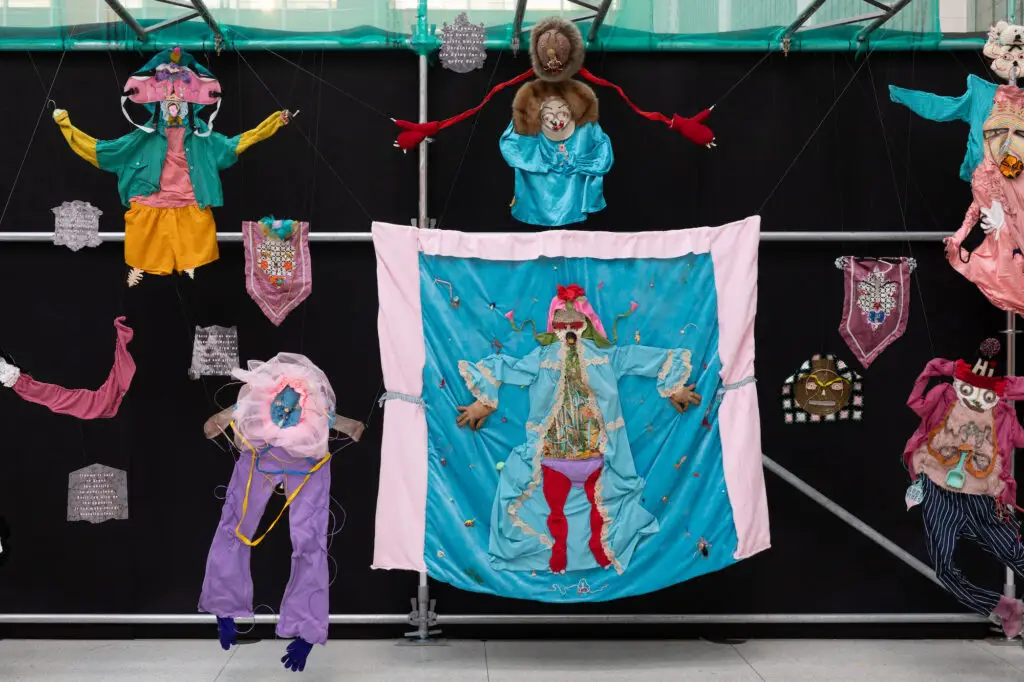
The biennale is returning to the National Gallery Prague’s Trade Fair Palace after two years. The Trade Fair Palace is a significant example of functionalist architecture and serves as the largest gallery site of the National Gallery Prague. Originally built between 1925 and 1928 for trade fairs, it was repurposed after a major fire in 1974 and reopened in 1995 to showcase modern and contemporary art collections. The Great Hall is its largest exhibition space, covering an area of more than 1,700 m².