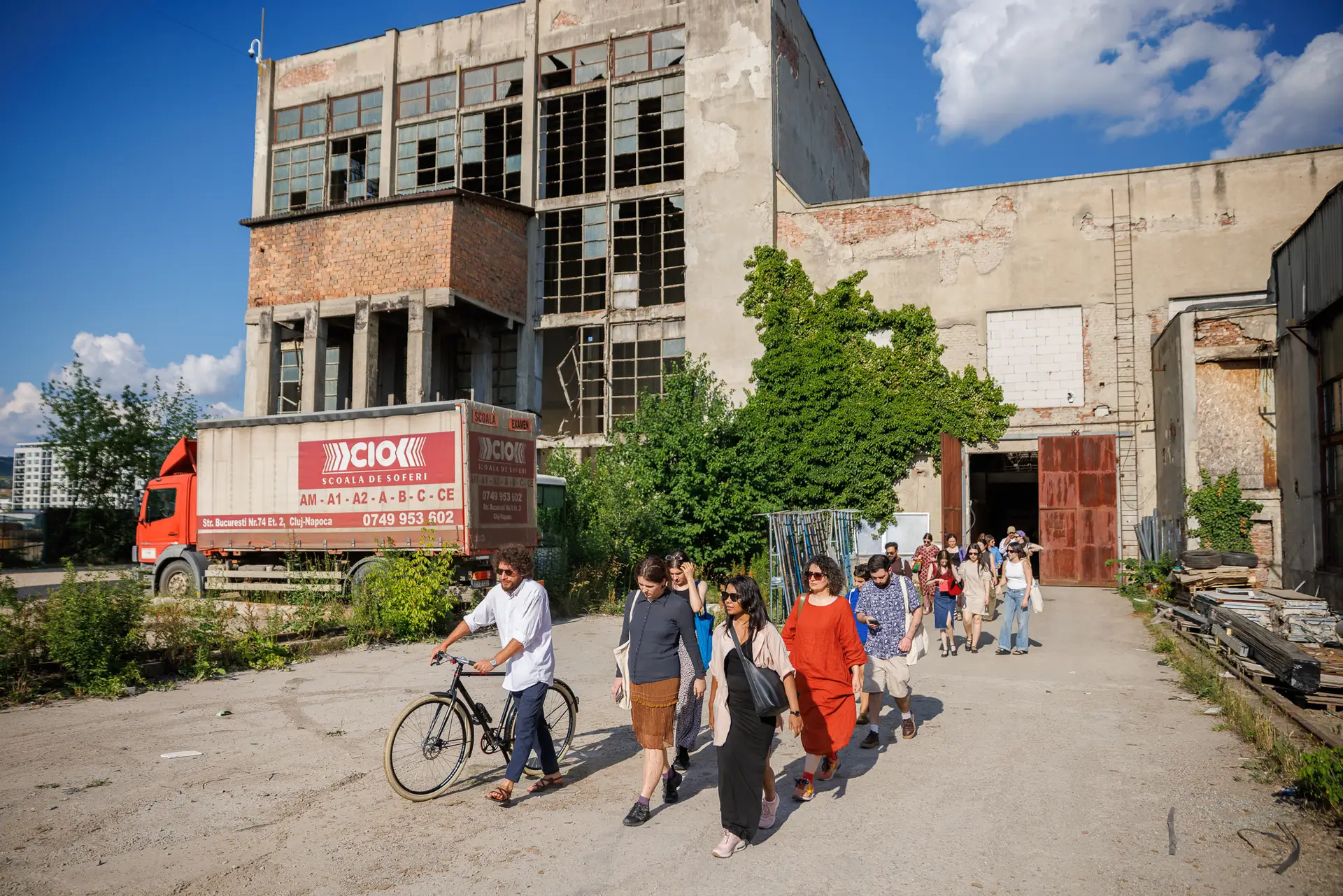
Jelena Sofronijevic reflects on their experience of the framework of the eight Unschool of Curating, held in Timișoara and Cluj, Romania, between 19 – 26 June, 2026, led by Antonia Alampi (Spore Initiative) and organised by Art Encounters Foundation and Cluj Cultural Centre.
καὶ τί δὲν κάνατε γιὰ νὰ μὲ θάψετε / ὅμως ξεχάσατε πὼς ἤμουν σπόρος
Dinos Christianopolous’ couplet, first written in Greek in 1978, was translated many times in the 1990s; in English (first by Professor Nicholas Kostis) as ‘what didn’t you do to bury me / but you forgot that I was a seed’; and in Spanish, ’quisieron enterrarnos, pero no sabían que éramos semillas.’ The latter, adopted by the Zapatistas, a national liberation group in Mexico, introduced the first-person plural pronoun, which is used in the English-language version most often quoted: ‘They tried to bury us, but they didn’t know we were seeds’. This shift in subjectivity reinforces not only the importance of collective action, but the many routes that even verbal and written languages can take.
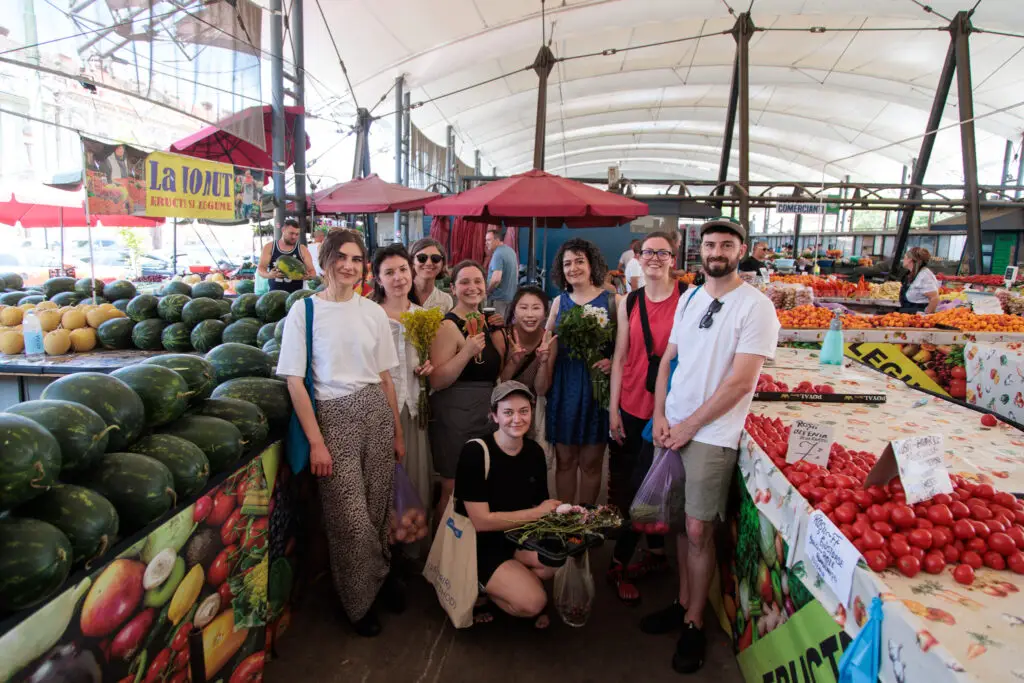
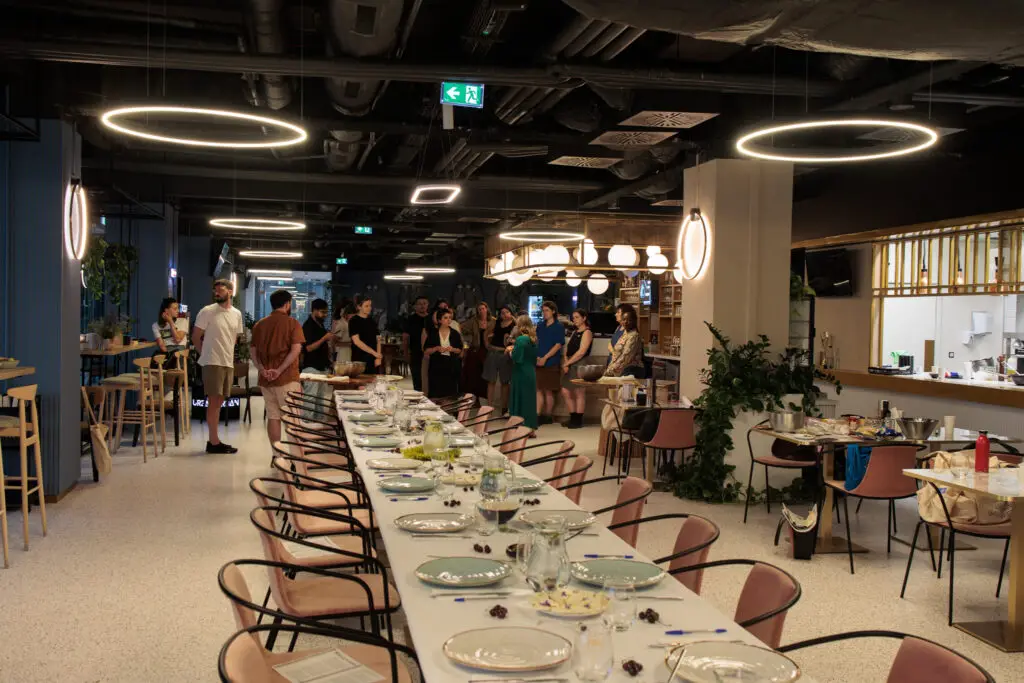
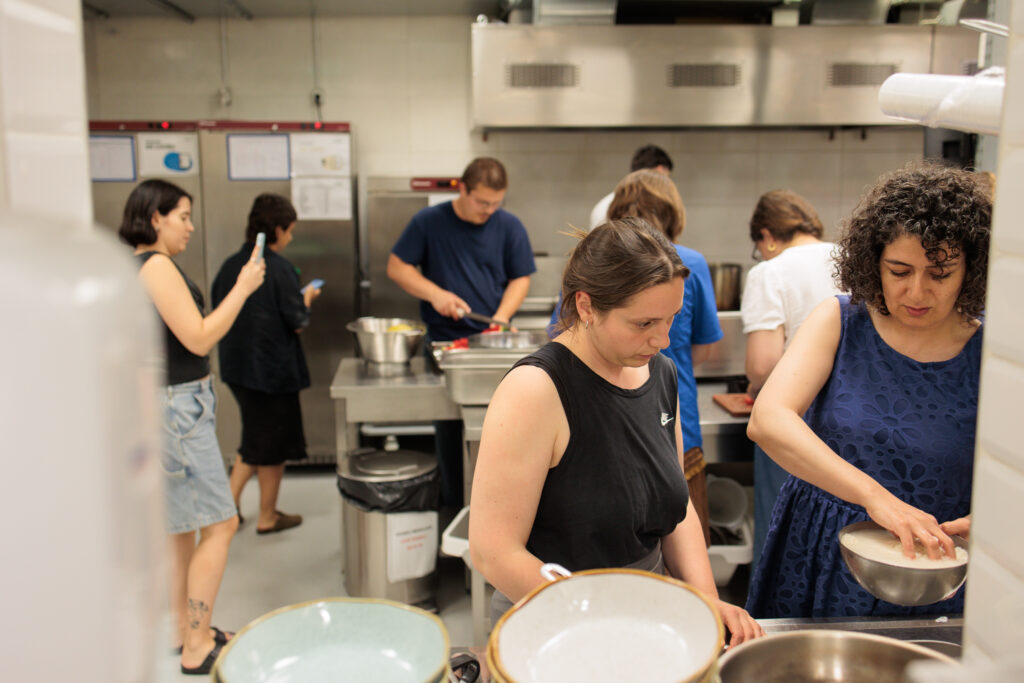
The second day of the eighth UnsSchool of Curating, attended by an international group of curators in Timișoara and Cluj-Napoca and led by Antonia Alampi, culminated in another form of collective action, the cooking of a group dinner, orchestrated by guest speaker Alessandra Pomarico. What began as a task transformed into a performance—punctuated with performative gestures—which practically exemplified how quickly and efficiently individuals can organise, often without words altogether. The act of breaking bread was also intended as a method of repair, the primary concern of this edition of the Unschool of Curating.
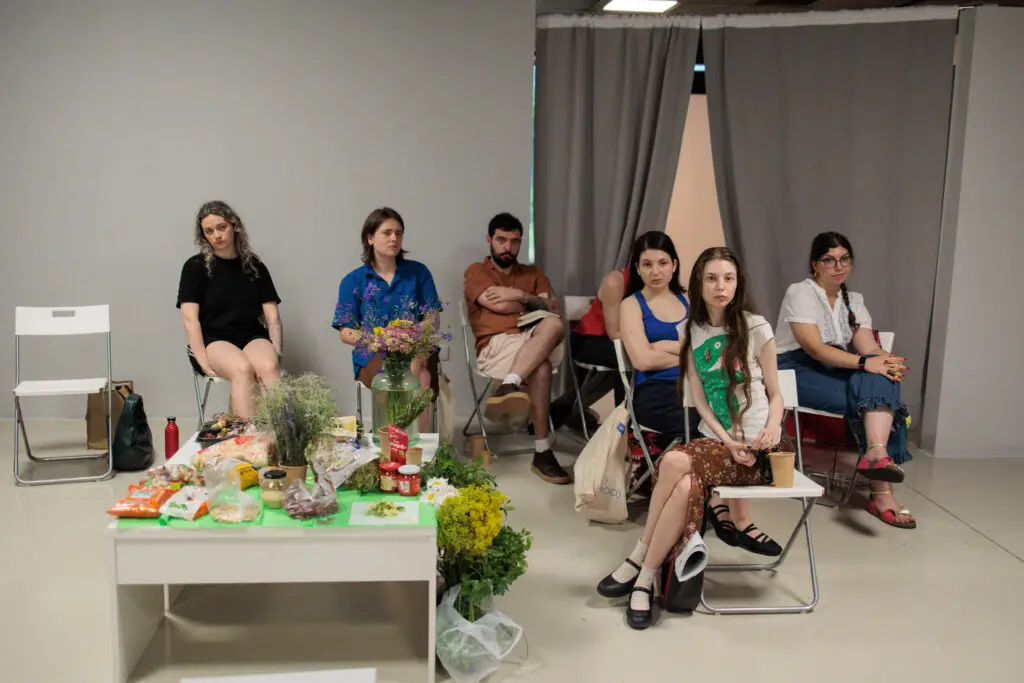
Over the course of the day, we had shared stories of food from our respective communities and cultures, encountering both similar and different uses of the ‘same’ ingredients. A ziplock bag of cornmeal transformed into makai ka kheecha (also known as makai ka khichu or makai kheech), a warm cornmeal porridge popular in North and West Indian cuisine, and as quickly again into mămăligă, a Romanian version of polenta often considered the country’s national dish. We addressed stereotypes concerning food—with parmesan, brought in honour of the Parma-born Marxist feminist activist Silvia Federici, paprika offered three ways, and a handful of the 6000 varieties of rice in India which have survived the introduction of genetically-modified (GMO) seeds—and particular uses and experiences of food within the region often homogenised as ‘Central, Eastern, and Southeastern Europe (CESEE)’. One participant evoked the Eastern Orthodox tradition of preparing žito (zito, zhito, koljva), which they primarily associated with celebrations such as slava in Serbia; another from Romania detailed the traditional use of koliva (kollyva, kollyba, kolyvo, or colivă) for funerals. This ‘peasant food’—or cucina povera, following an Italian thread through this edition of the Unschool of Curating—of boiled wheat berries has been subject to gentrification, transformed into an ice cream flavour that is most frequently consumed in the country’s capital, Bucharest. This phenomenon was traced in a political direction with Rachel Grant’s evocation of the rowie, also known as a buttery or Aberdeen roll, a fishermen’s source of sustenance subjected to bans and taxes in Scotland.
In the two years following my first participation in this programme (then convened by course leader Kate Fowle), and my own commencement of a PhD-by-practice, the School has adopted its new title of Unschool of Curating, implying a process of institutional unlearning. Repair, likewise, was conceptualised as an ongoing process, something that could be preventive, as well as restorative. The invited guest speakers often arrived earlier in, and stayed with, the programme, in order to tailor their sessions to the needs of the group. As a result, each session was scarcely an event of its own, but also a reflection on the last, and thus too a sort of process (or ‘ritual of transition’, as suggested by Cosmin Gheorghe).
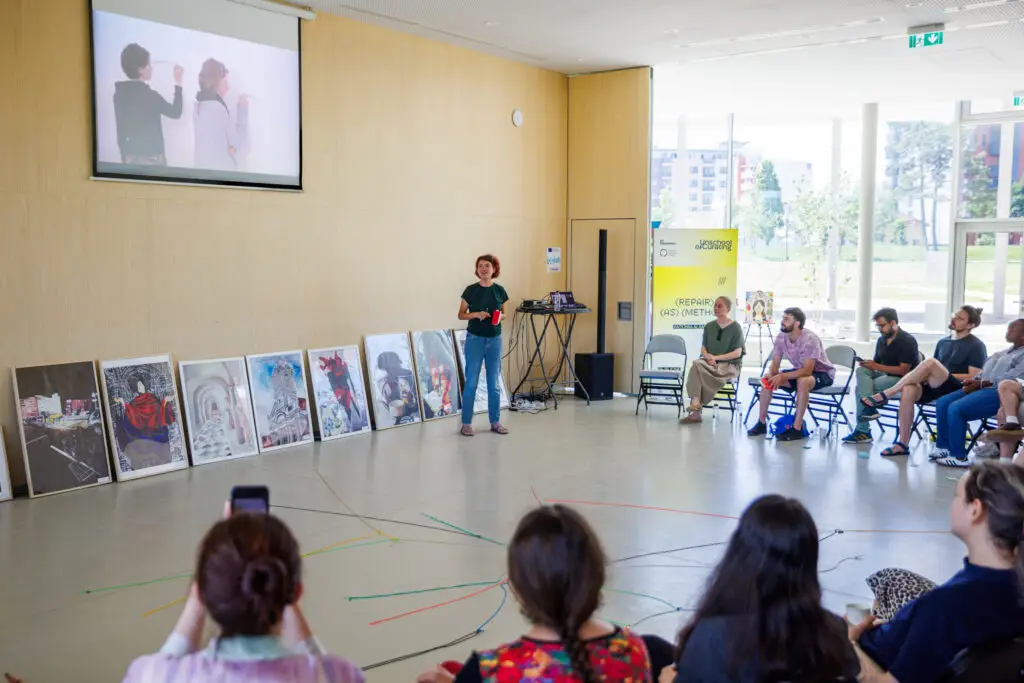
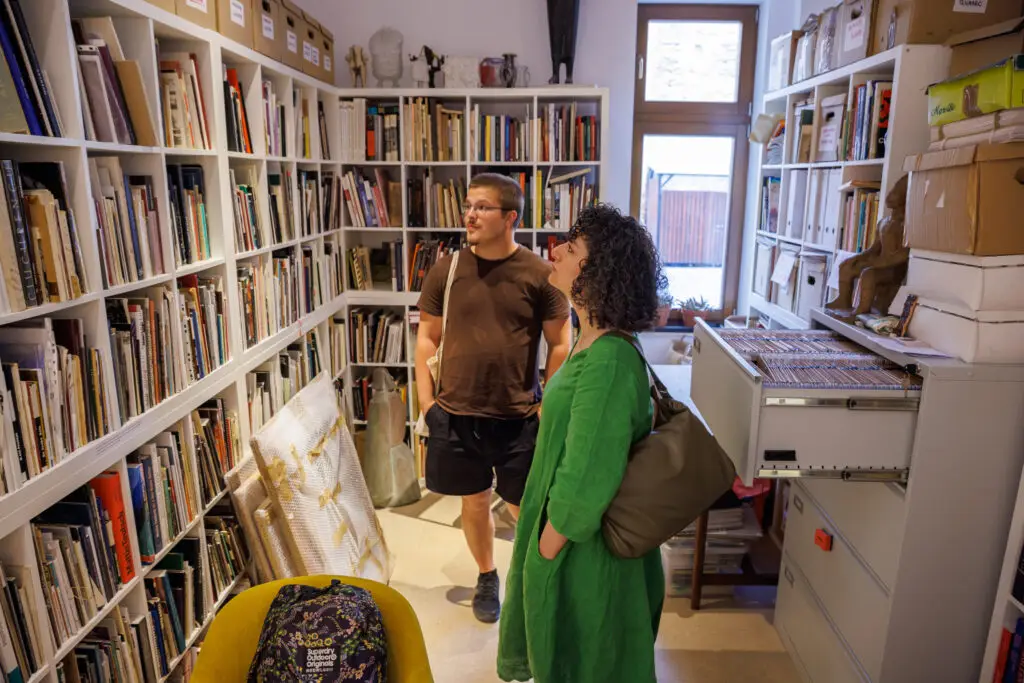
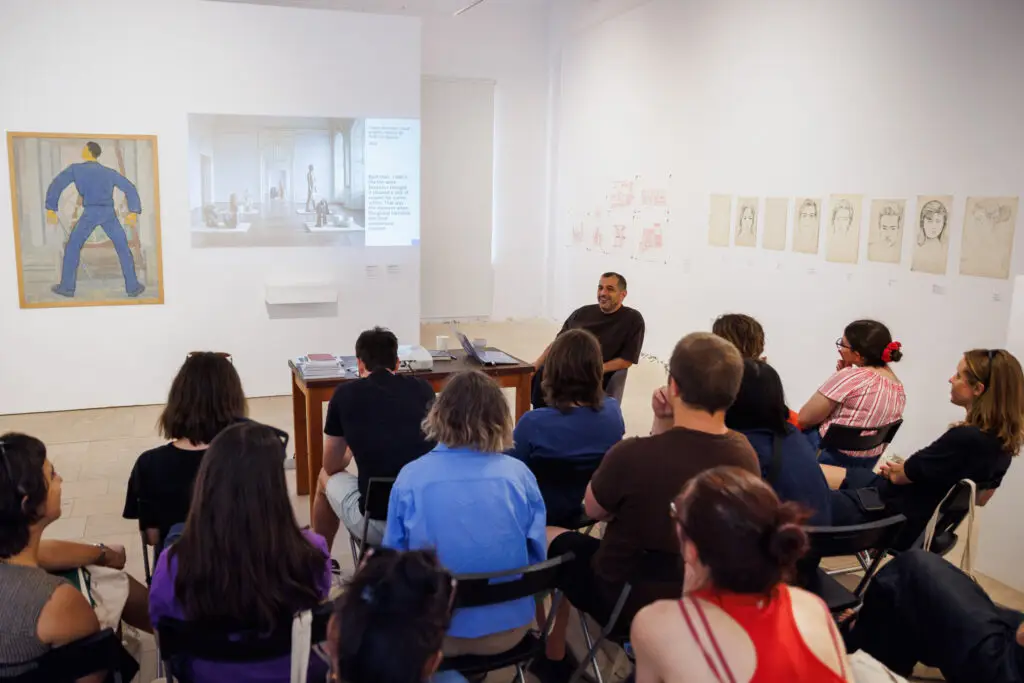
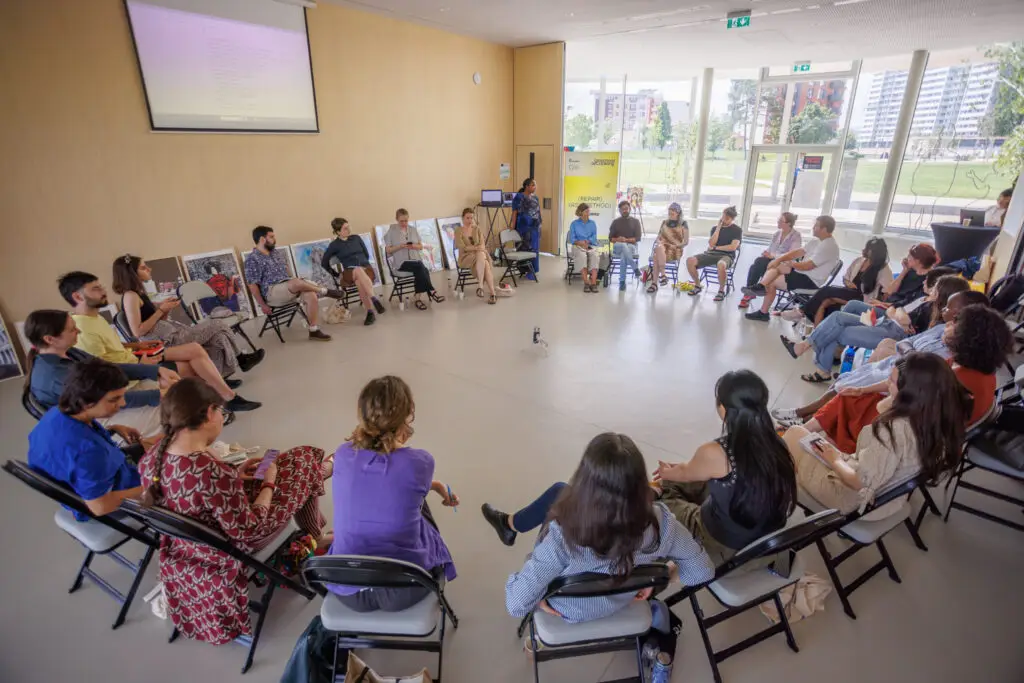
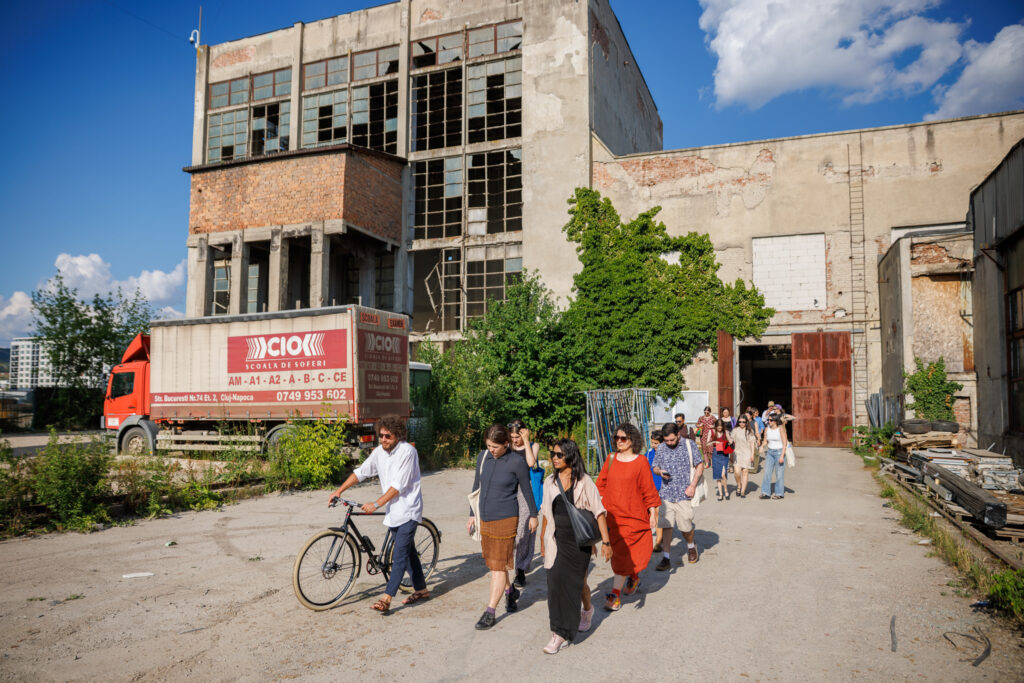
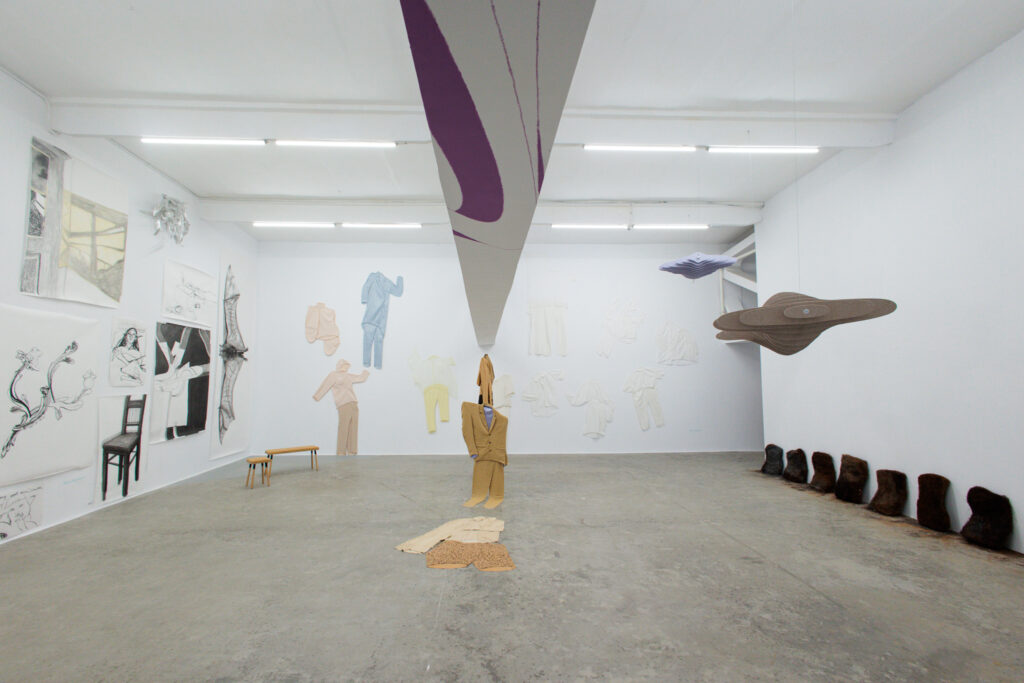
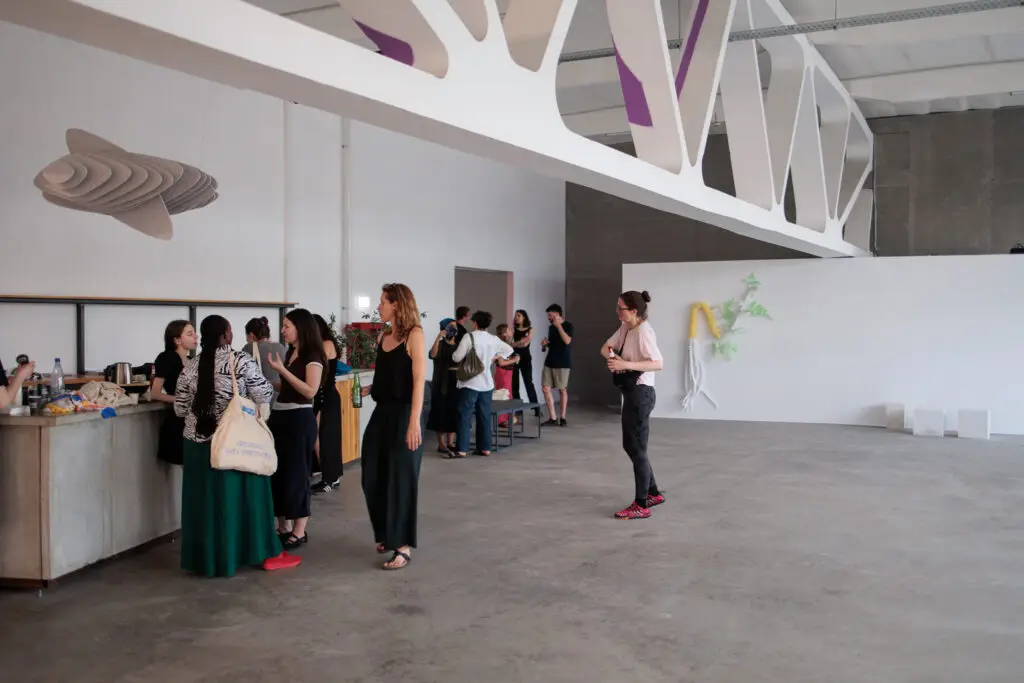
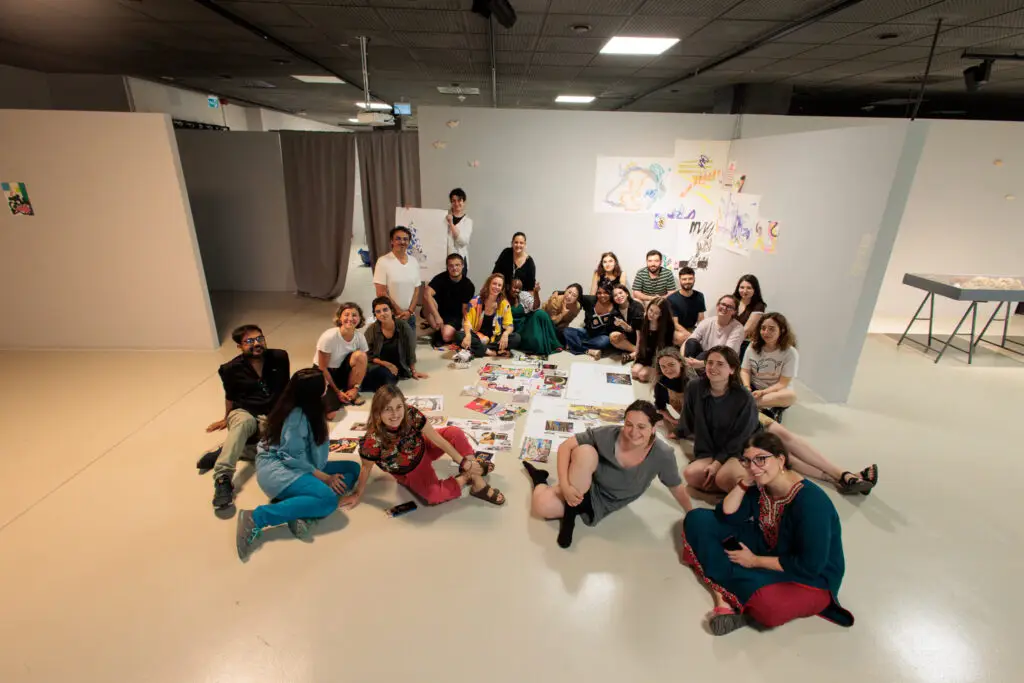
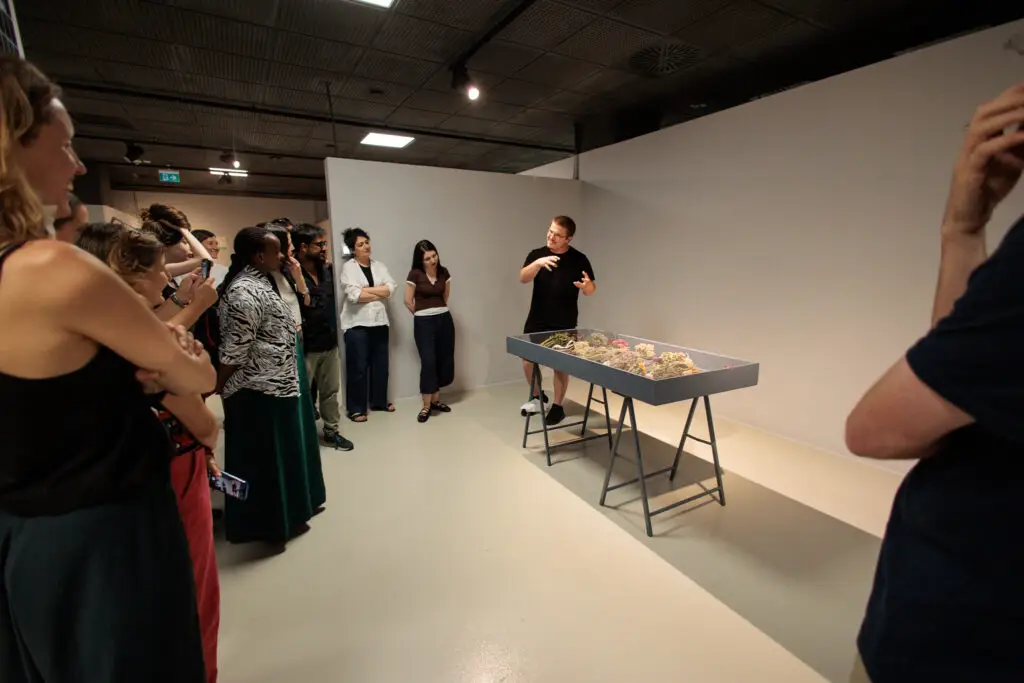
Alampi’s selection of invited guests also reflected the importance of meeting people in their own contexts. The greater representation and inclusion of cultural workers from Romania was particular to this edition which, despite the reduced number of gallery and studio visits, enabled the group to move as more of a part within regional cultural ecologies. Our experience of Vladan Jeremić and Rena Rädle’s exhibition, Exercising Disobedience, in Timișoara was deepened by the participation of its curator Teodora Talhoș, who generously shared with the group some of the complexities of organising an artist run space such as Indecis. Likewise, Raluca Voinea’s presentation of The Experimental Station for Research on Art and Life / tranzit.ro—a standout, along with Amal Alhaag’s invitation to think with our bodies through the methods of the Theatre of the Oppressed (TO)—included photographs of some of the participants present in the UnsSchool of Curating.
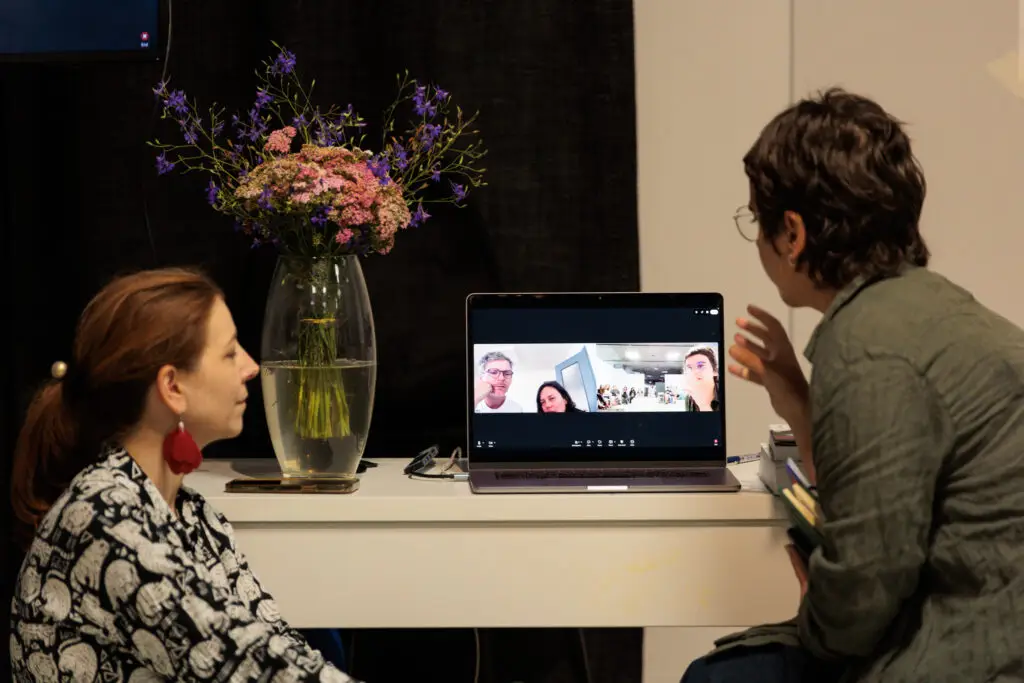
One question I carry with me is how to practice and strengthen existing relations, without creating new closed circles, and reinforcing inaccessibility in the arts. (References to philosophers, thinkers, and writers were made throughout the Unschool of Curating, though lightly, and more to be shared with each other than performed or claimed individually.) This issue was raised again with the dialling in of artists Anca Benera & Arnold Estefán, who were together resting, following the opening of the 2026 Venice Biennale, where they are representing Romania. Their exhibition in the Pavilion was organised by a team including members of the Art Encounters Foundation and Cluj Cultural Centre (organisers of the School); I had first met the artists in 2024, with their solo exhibition at the Foundation in Timișoara. Speaking more broadly, they affirmed that their practice, as artists and activists, seeks to open rather than answer questions. In Venice, ‘how to mend a broken sea?,’ is navigated through various mediums, including kintsugi-like golden threads woven atop deep blue textiles.
As the programme progressed, textiles became a medium through which we could relate to repair. Through Alampi’s memories of her mother, a craft worker, darning her clothing, and the refusal of ‘one size fits all’ solutions, we considered the gendered aspects of such work. Most of the participants, invited guests, and practitioners referenced were women; of the latter, the embroideries of Annalee Davis, presently on display in the main exhibition of the Venice Biennale, most often came to mind. Participant Lili Kriston’s considered reflections as a curator, cultural mediator, and PhD researcher with Romani Design, Hungary’s first Roma fashion studio in Budapest, were also vital interventions, which raised issues of representation and collaboration across national borders.
In my curatorial work, particularly with textile and fibre art, I have resisted the notion of ‘repair, ’as a refusal to restore what is missing, and to confront and accept loss and absence as both epistemic and material realities. I still remain sceptical of the capacity of the curator to enact ‘repair’. Simultaneously, through this programme, I have considered how my scepticism is in part a result of the limitations of the English language; re-pair referring to two, rather than the plurality of possible connections, an association void from the Italian language term, riparazione.
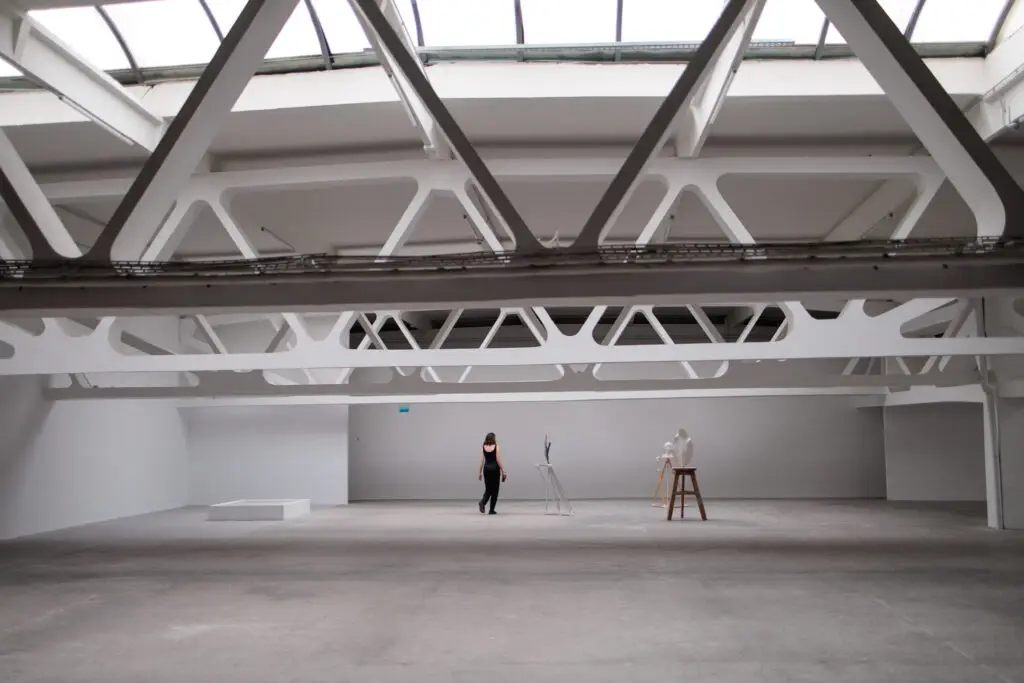
Part of repair is resisting the constant drive towards the new—which we experienced at its most ambitious with the long work-in-progress at Plan B Foundation in Cluj, whose ‘new’ space incorporates the restoration of a 16th century baroque house and medieval bastion. Repair here is not a solution—here, something that has delayed the building’s opening to autumn 2026—nor is it an act of healing, another term often misused in artistic and curatorial discourse. Rather, repair is approached as something practical, that serves a future use and communities. A related question we approached was how to allow artworks (and institutions, including collections) to move, to disappear—to die, even. This would be a fruitful subject for a future edition of the Unschool of Curating.
One method of repair I return to is my effort to learn the living languages of the Western Balkans, those practiced by my peers, as well as my parents’ generation who migrated to the UK. Many of the participants shared their experiences of prejudices against local dialects propagated by previous generations, in favour of national languages and assimilation. Others remarked their efforts to now reconcile their relations with land and more-than-human ecologies, ruptured due to an association with working-class forms of labour. (‘We don’t give nicknames to plants,’ write Raluca Voinea and Eduard Constantin in Rootwords: A Glossary for Living Cultural Institutions (2025), ‘as it is hard enough to decipher between their scientific names, their popular names in different languages, or their indigenous names which we don’t always know.’)
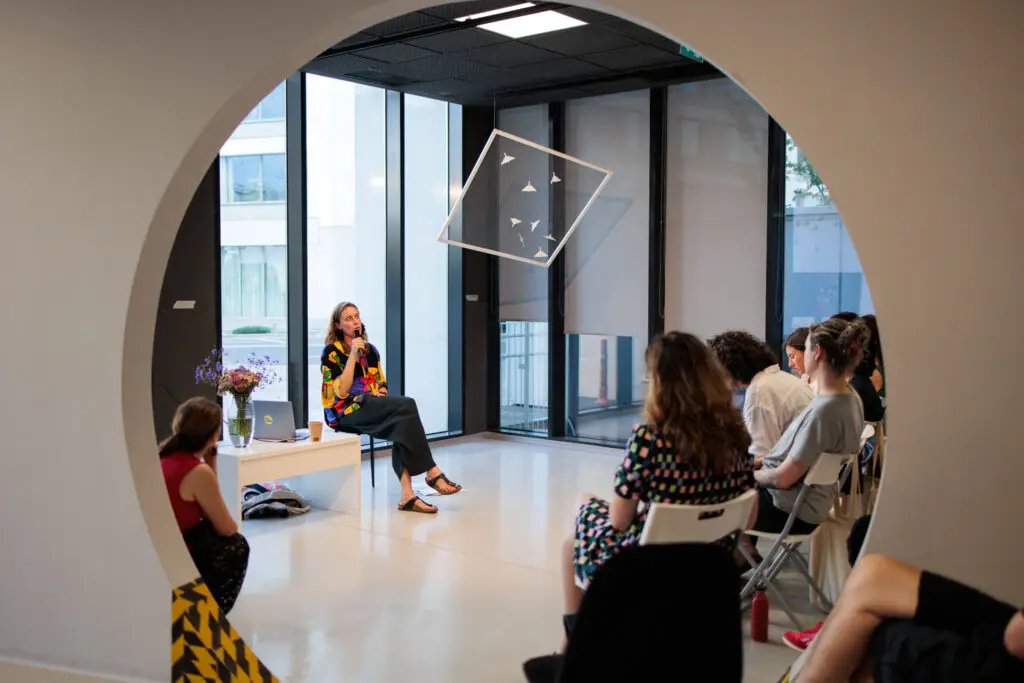
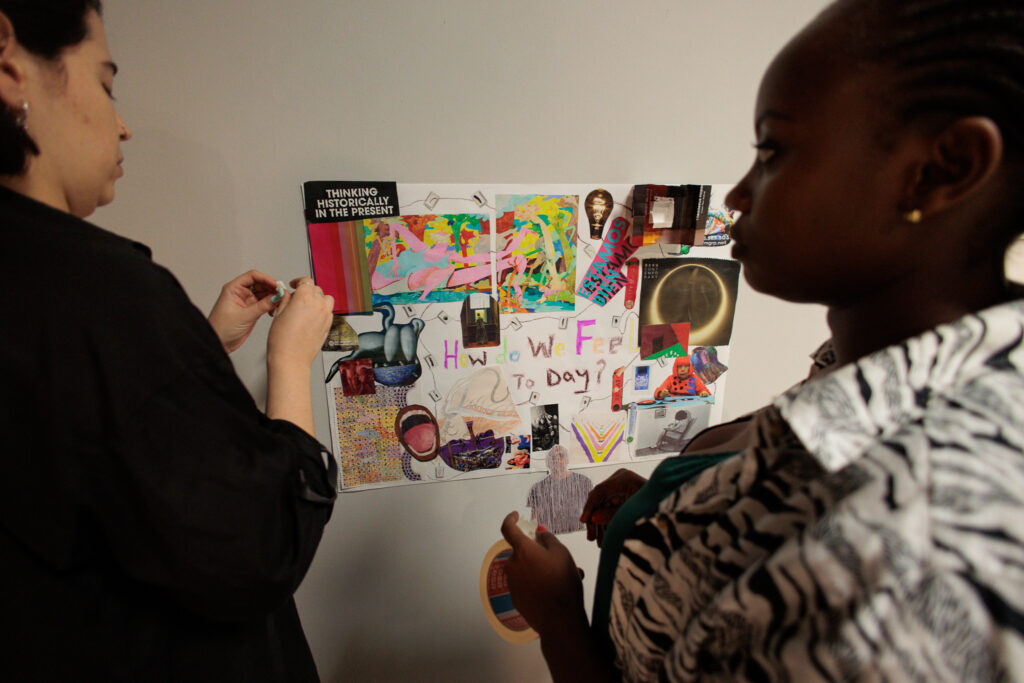
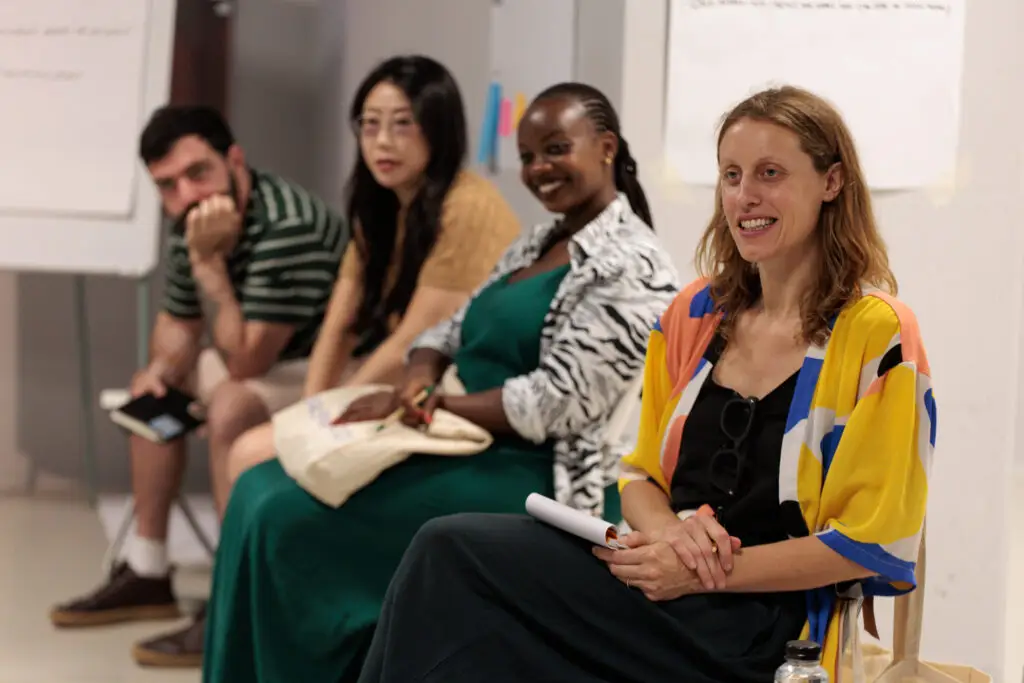
With these contributions, I also consider the privileges of diasporic practice. Being able to—and making the choice to—speak with my peers in their own terms, not only about resisting the dominance of the English language, but the social and economic structures of those previous generations that still condition our existence and practices of relations, ones that conservatively remark that I should learn ‘something useful.’
The term ‘radical’—much like ‘decolonisation’ and, increasingly, the ecological language of rewilding practices, and permaculture—is used so frequently and carelessly in cultural discourse that it almost negates its meaning. Yet if being radical simply means ‘grasping things at the root’, this form of breakage could simply be another route to repair.
Jelena Sofronijevic is a producer, curator, writer, and researcher, working at the intersections of cultural history, politics, and the arts. Their independent curatorial projects include Invasion Ecology (2024), SEEDLINGS: Diasporic Imaginaries, with Travelling Gallery (2025), and Seeds of Hate and Hope, at the Sainsbury Centre (2025). Jelena produces EMPIRE LINES, a podcast which uncovers the unexpected flows of empires through art, which is supported through their role as Curator with Radical Ecology (2025-2026). They are also pursuing a practice-based PhD with Gray’s School of Art, curating exhibitions with Balkan and Yugoslavian/diasporic artists in British art collections.